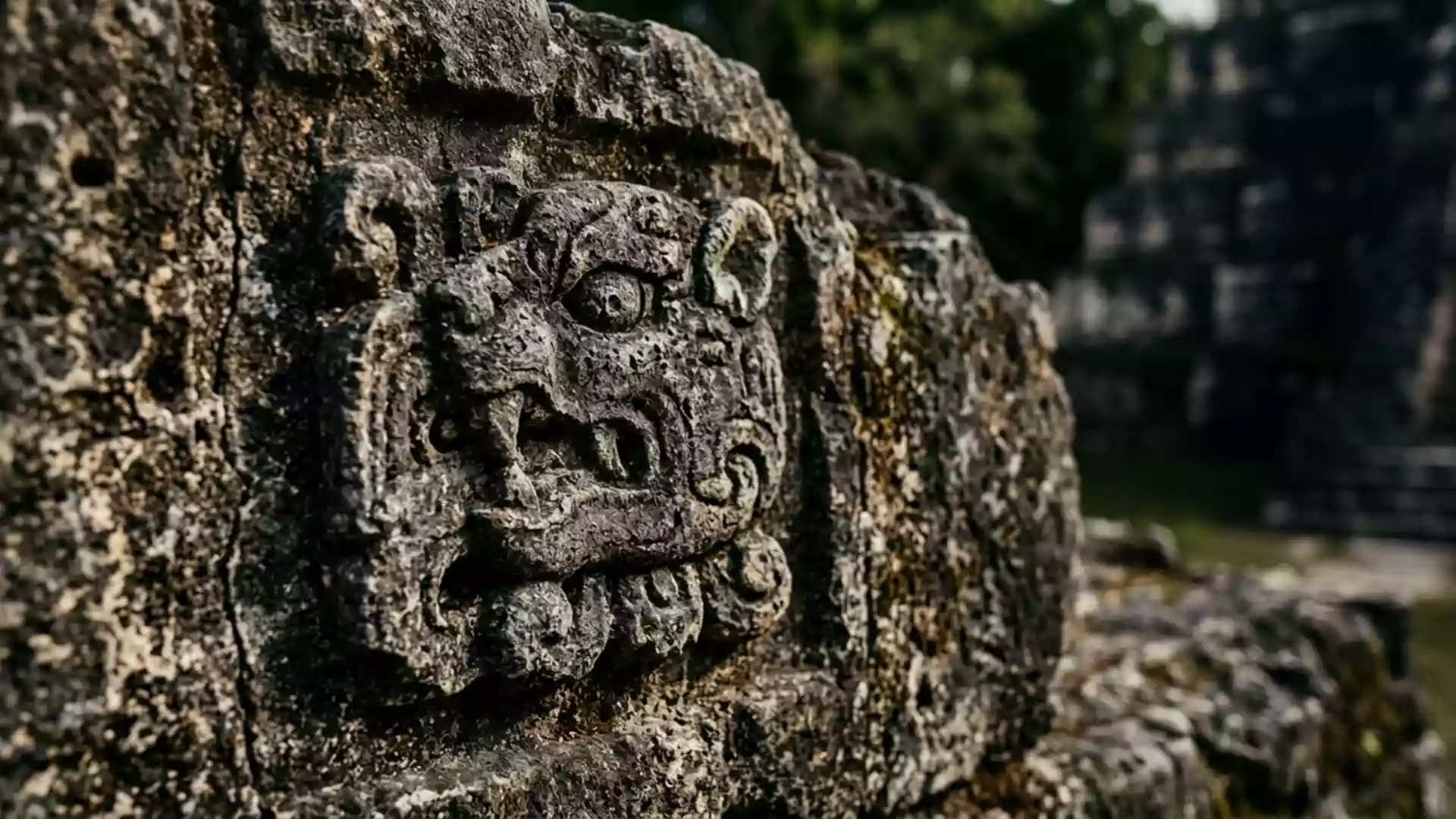
Tikal’s temple pyramids rise above the rainforest
Published on 09/11/2026 at 13:33 | Editorial responsibility: Rafael Müller, Editor-in-Chief AD HOC NEWS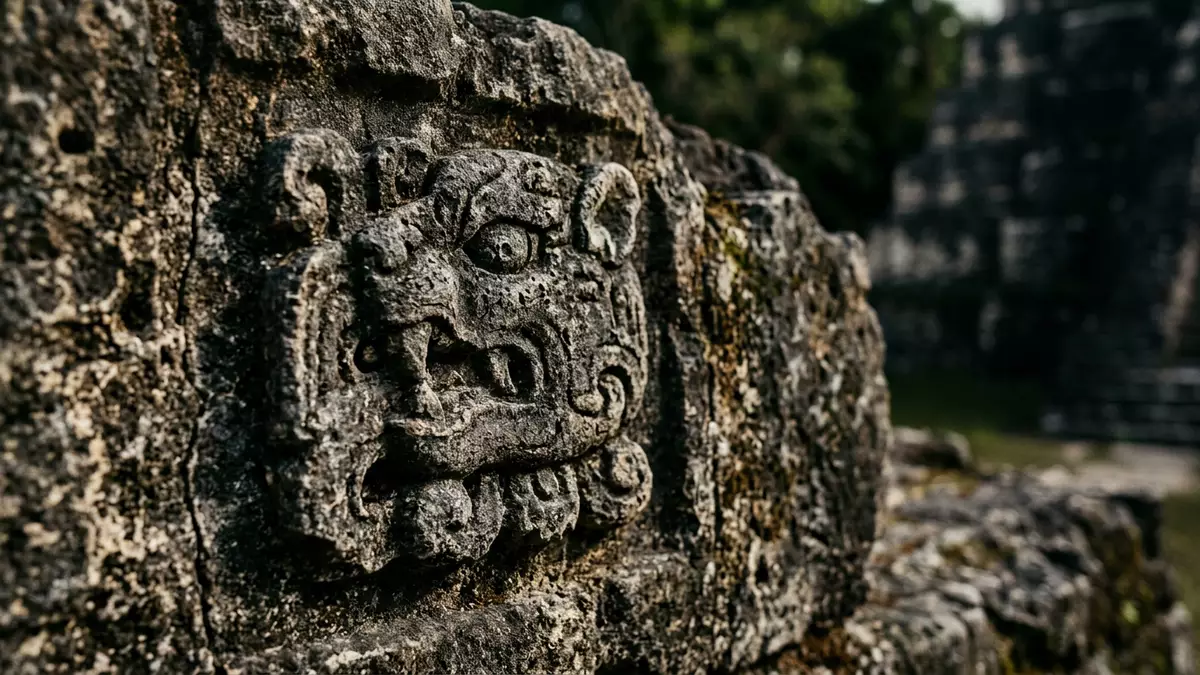
Tikal is a Maya city in northern Guatemala, set within Tikal National Park and the Petén forest. Its temples, plazas and acropolises rise through a canopy that frames the site’s scale rather than hiding it.
Temple I and Temple IV at Tikal
The best-known silhouette belongs to Temple I, also called the Temple of the Great Jaguar. The pyramid is linked with Jasaw Chan K?awiil I, and the burial monument dates to the early eighth century.
World Heritage site and Temple I are among the stable references that place the monument in the Classic Maya world. Across the Great Plaza, Temple II faces the eastern pyramid and completes one of the site’s most recognisable views.
The Great Plaza and the royal core
The Great Plaza is framed by major monuments on several sides, with Temple I to one side and Temple II opposite it. Nearby stand the North Acropolis and the Central Acropolis, both part of the dense ceremonial centre that gives Tikal its formal layout.
Jasaw Chan K?awiil I and the Great Plaza anchor the site’s royal and ceremonial identity. The setting remains legible because the pyramids, courtyards and raised platforms keep their relationships intact.
Petén forest, limestone and height
Tikal sits on limestone terrain in the Petén region, and the material is visible in the stepped pyramids and platforms. Temple IV rises above the surrounding structures and is the tallest monument at the site, while Temple I is lower but more centrally placed in the plaza composition.
Temple IV and the surrounding Maya Biosphere Reserve place the city inside a much larger protected landscape. The result is a site where architecture and forest remain visible together, without the monuments losing their individual profiles.
Visiting Tikal: what travellers from Western Europe should know
- Tikal is in northern Guatemala, near Flores in Petén Department. It is reached by road from the Flores area and by routes through the regional airport network.
- The site spreads across uneven ground with raised platforms, steps and long sightlines between monument groups. A visit involves walking between plazas and climbing some of the masonry structures.
- The ruins lie within a forested park, so the surroundings are as much part of the setting as the temples. The architecture emerges from dense vegetation rather than standing in open urban space.
- The official language is Spanish and the currency is the Guatemalan quetzal.
- Entry requirements depend on your nationality; UK travellers can check the FCDO travel advice at gov.uk/foreign-travel-advice, Irish travellers the Department of Foreign Affairs at ireland.ie.
Searching for Tikal on social platforms
These links open searches for Tikal on each platform.
Frequently asked questions about Tikal
Where is Tikal?
Tikal is in Petén, in northern Guatemala, close to Flores. It forms part of Tikal National Park within a forested landscape.
What does a visit involve?
The site is spread across plazas, temples and raised compounds, so walking is part of the experience. Stone steps and broad clearings shape the route between the main monuments.
What makes Tikal distinctive?
Its monuments combine Classic Maya architecture with a forest setting that keeps the pyramids and platforms visually dominant. Temple I, Temple IV and the Great Plaza give the site a clear historical centre.