

Tikal rises above the forest canopy in Guatemala
Published on 08/11/2026 at 15:00 | Editorial responsibility: Rafael Müller, Editor-in-Chief AD HOC NEWS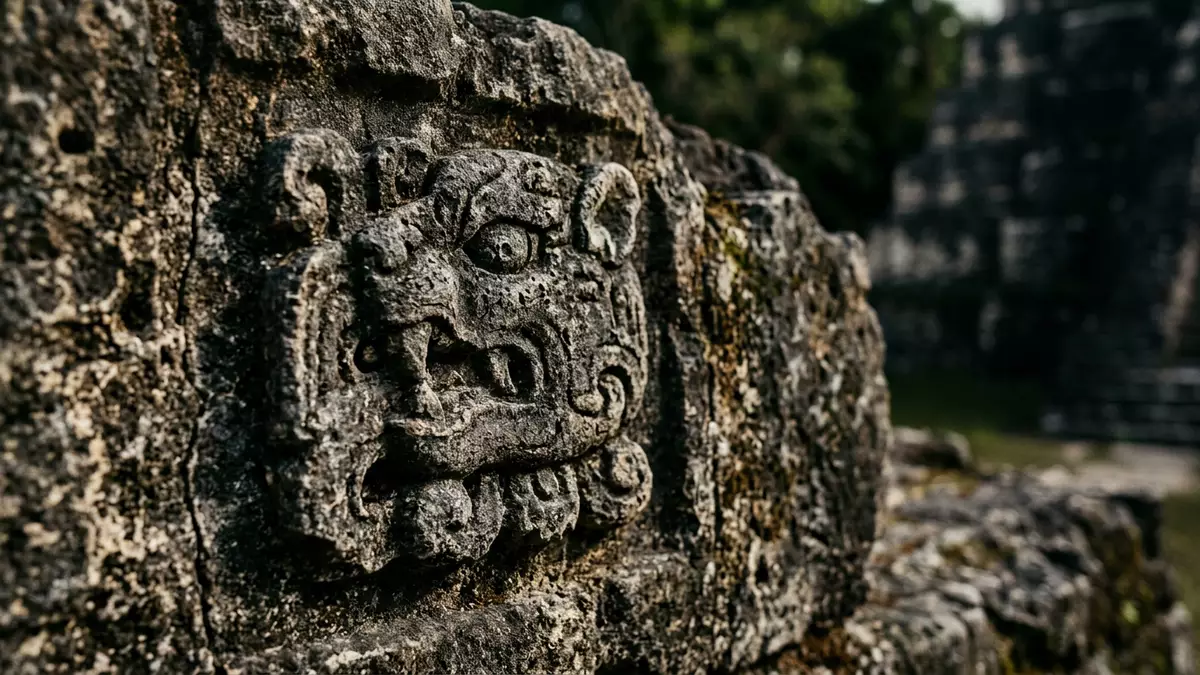
Tikal is a great Maya city in the lowland forest of northern Guatemala, near Flores, with stone temples, plazas and tall pyramids rising above the trees. The site’s most striking feature is the way its monuments stand in a dense landscape of tropical forest rather than in an urban setting.
Tikal’s stone temples above the forest
The best-known monuments belong to the Classic Maya period, and the site reached its height between the fourth and ninth centuries AD. Temples I and II frame the Great Plaza, while Temple IV rises above the canopy and gives a clear sense of the city’s scale.
The masonry is mostly limestone, cut into steep stepped forms and broad terraces. Copán and Calakmul belong to the same wider Maya world, but Tikal’s surviving skyline is especially open against the forest around it.
Plazas, stelae and royal power
Tikal is organised around plazas, causeways and ceremonial groups rather than one single monument. Stelae, altars and palaces mark the political and ritual life of the city, and the layout preserves a strong sense of an elite centre.
The site is closely associated with rulers such as Jasaw Chan K’awiil I and Yik’in Chan K’awiil, whose names belong to inscriptions and monuments from the late Classic period. Their era left Tikal with some of its most imposing architecture and carved memorials.
A city abandoned to the forest
By the tenth century, Tikal’s monument-building phase had ended, and forest reclaimed much of the surrounding settlement. That later cover has left the ceremonial core standing among trees, roots and long processional routes.
Visitors meet both a city and a landscape site at once. The climb to upper platforms, the open plazas and the tall tree line give the place a layered character that is easy to read on foot.
Visiting Tikal: what travellers from Western Europe should know
- Tikal is reached from Flores by road, with access into the national park area.
- Admission arrangements and opening hours are set by the site's operator and change with the season; the official website is the only binding source.
- Dry months are often more comfortable for long walks, while the forest can feel richer and greener after rain.
- The site includes long paths, steps, uneven ground and high platforms, so sturdy shoes help.
- Spanish is the main language in the area, and cash may be useful for small local expenses.
- Entry requirements depend on your nationality. UK travellers should check the FCDO travel advice at gov.uk/foreign-travel-advice; Irish travellers the Department of Foreign Affairs at ireland.ie; EU and EEA citizens their own national foreign ministry.
Searching for Tikal on social platforms
These links open searches for Tikal on each platform.
Frequently asked questions about Tikal
Where is Tikal?
Tikal lies in northern Guatemala, in the Petén forest region near Flores. It is one of the major surviving Maya centres in the country.
What should a visit feel like?
Expect long walks between plazas, temples and forested paths, with several steep structures visible from the ground. The site rewards slow movement and attention to the masonry and the tree line.
What makes Tikal distinctive?
Its combination of Classic Maya architecture, royal monuments and deep forest setting gives it a strong physical presence. Temple tops, stelae and broad plazas remain readable across the site.


