
Teotihuacan and the Avenue of the Dead in San Juan Teotihuacan
Published on 09/15/2026 at 15:43 | Editorial responsibility: Rafael Müller, Editor-in-Chief AD HOC NEWS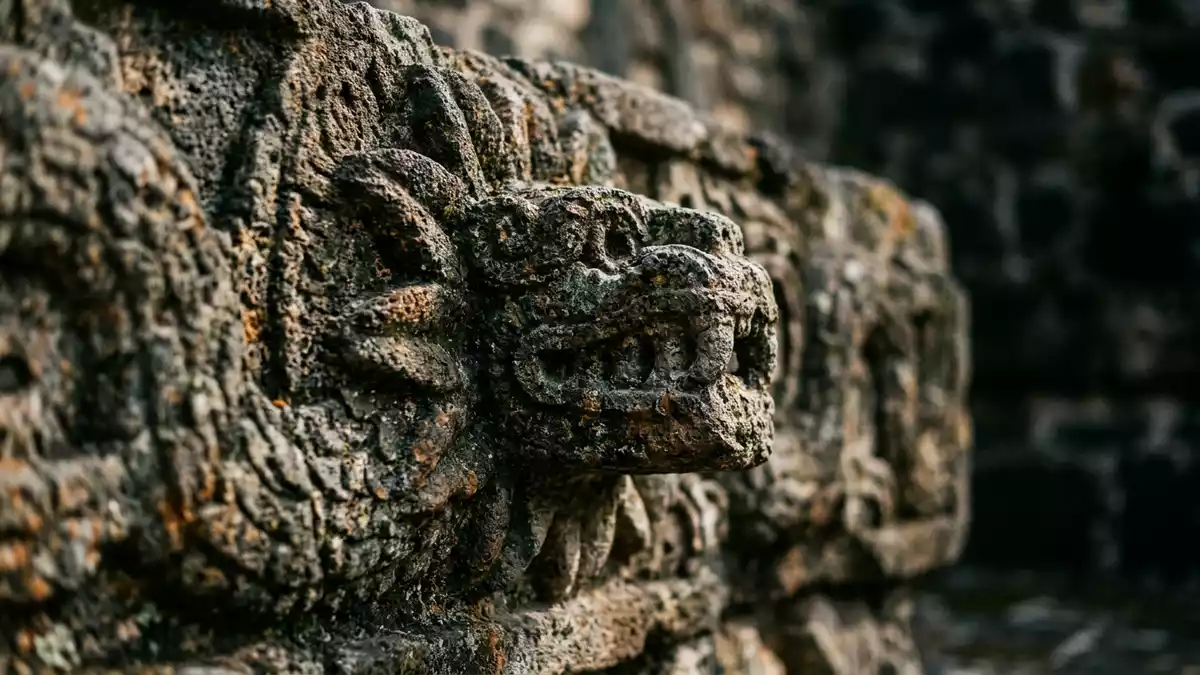
Teotihuacan in San Juan Teotihuacan in central Mexico is a vast pre-Hispanic city laid out around a long processional axis lined with monumental pyramids. Built between the first and seventh centuries AD, this archaeological zone preserves remains of one of Mesoamerica’s largest urban centres, with the Pyramids of the Sun and the Moon rising above the surrounding plateau.
Avenue of the Dead: the spine of Teotihuacan
The core of Teotihuacan is organised around the broad Avenue of the Dead, a straight north–south route flanked by platforms, plazas and pyramid complexes that structure the entire site.Avenue of the Dead Walking along this axis, visitors pass ceremonial compounds such as La Ciudadela and the Temple of Quetzalcoatl, as well as residential areas that once formed dense neighbourhoods around the ceremonial heart.La Ciudadela and the Temple of Quetzalcoatl
The Avenue frames long vistas between the southern complexes and the Pyramid of the Moon at the northern end, with the Pyramid of the Sun rising to one side of the route. The known monumental zone open to visitors extends across more than 260 ha of plazas, platforms and residential compounds grouped around this axis, while the wider urban area that once surrounded it covered many square kilometres of the valley.
Pyramids of the Sun and the Moon
The Pyramid of the Sun is the largest single structure at Teotihuacan and one of the largest pyramids in the Americas, completed around 100–200 AD.Pyramid of the Sun It rises more than 60 m (about 200 ft) above the surrounding plazas, with a stepped profile built from volcanic stone and rubble fill that dominates the eastern side of the Avenue of the Dead.Pirámides del Sol y la Luna
At the northern end of the Avenue, the Pyramid of the Moon stands on a broad plaza backed by the hills of the surrounding basin, forming a visual focus for processions moving along the central axis.Pyramids of the Sun and the Moon Together with the Temple of Quetzalcoatl in La Ciudadela, these monuments illustrate Teotihuacan’s characteristic stepped pyramid architecture and the scale of religious constructions in the city between the first and seventh centuries AD.
Urban scale and UNESCO World Heritage status
Teotihuacan occupies the valley floor north-east of Mexico City, within the municipality of San Juan Teotihuacan in the State of Mexico, and is recognised as a UNESCO World Heritage Site.San Juan Teotihuacan municipality The archaeological zone protects a central area of several hundred hectares of ceremonial and residential architecture, while the wider ancient city covered around 83 km² across the basin during its peak.Zona Arqueológica de Teotihuacan
The holy city is formally inscribed on the World Heritage List as the “Pre-Hispanic City of Teotihuacan”, recognising its importance as one of the earliest great classic Mesoamerican civilisations.Pre-Hispanic City of Teotihuacan Within the protected area, compounds such as the Palace of Quetzalpapálotl and mural ensembles at Tetitla, Atetelco, Tepantitla and La Ventilla preserve painted decoration and architectural detail that extend the story beyond the famous pyramids.
Visiting Teotihuacan: what travellers from Western Europe should know
- Teotihuacan lies north-east of Mexico City in the municipality of San Juan Teotihuacan in the State of Mexico; it is reached by road from the capital and from nearby towns.
- The archaeological zone covers a broad area of plazas and pyramids on the valley floor, and visiting involves walking over uneven stone surfaces and climbing wide staircases on the main structures.
- From the central area, views extend across the basin to surrounding hills, and the scale of the ancient city becomes clear from the elevated platforms on the pyramids.
- The official language is Spanish and the currency is the Mexican peso.
- Entry requirements depend on your nationality; UK travellers can check the FCDO travel advice at gov.uk/foreign-travel-advice, Irish travellers the Department of Foreign Affairs at ireland.ie.
Searching for Teotihuacan on social platforms
These links open searches for Teotihuacan on each platform.
Frequently asked questions about Teotihuacan
Where is Teotihuacan located?
Teotihuacan lies in the municipality of San Juan Teotihuacan in the State of Mexico, north-east of Mexico City on the central Mexican plateau.
What should visitors expect on a visit?
A visit involves walking through a large archaeological zone of plazas, platforms and pyramid complexes, with the possibility of climbing broad staircases on major structures.
What makes Teotihuacan distinctive among ancient cities?
Teotihuacan is distinctive for its combination of a long processional Avenue of the Dead with monumental pyramids such as the Pyramid of the Sun and the Pyramid of the Moon laid out on geometric principles.


