
Teotihuacan and the avenue of monumental pyramids
Published on 09/23/2026 at 19:29 | Editorial responsibility: Rafael Müller, Editor-in-Chief AD HOC NEWS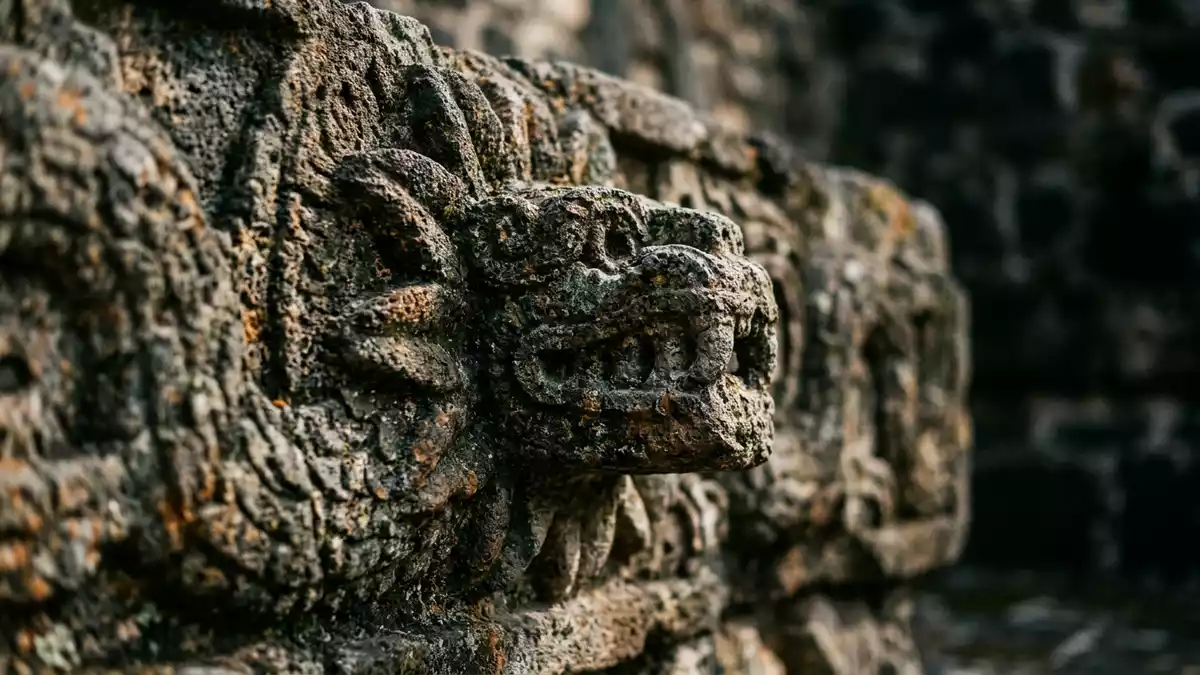
Teotihuacan is an ancient city in central Mexico, near San Juan Teotihuacan, arranged around the broad Avenue of the Dead. Pyramids, temples and residential compounds extend across a geometric urban landscape built between the first and seventh centuries AD.
The Avenue of the Dead and its monumental scale
The Avenue of the Dead forms Teotihuacan’s central axis, running between major ceremonial structures and broad plazas. The Pyramid of the Sun rises beside the avenue, while the Pyramid of the Moon marks its northern end.
The Pyramid of the Sun was built around 100 AD and reaches 66 metres (216 ft). Its base measures approximately 220 by 230 metres, giving the monument a broad, stepped profile above the surrounding plain. Teotihuacan’s stepped pyramids belong to a wider Mesoamerican architectural tradition.
A city of pyramids, courtyards and painted walls
Teotihuacan was not only a ceremonial centre. Its urban remains include apartment compounds, palaces, temples and living areas arranged within a planned city. Mural paintings and carved decoration add colour and imagery to the surviving architecture.
The Temple of Quetzalcoatl stands within the Ciudadela, a large complex connected with the city’s religious architecture. Geometric patterns, sculpted serpent heads and repeated façades give the complex a distinct visual language. the Temple of Quetzalcoatl belongs to the same monumental cityscape as the Pyramids of the Sun and Moon.
Teotihuacan in the history of central Mexico
Teotihuacan became a major power in central Mexico during the first centuries AD. At its height, its population included farmers, traders and craftspeople, while religious leaders governed the city.
The city’s influence extended across Mesoamerica through trade, political connections and artistic forms. Its original name is unknown; the Nahuatl name Teotihuacan was recorded by the Aztecs centuries after the city’s principal occupation. The settlement declined after a large fire in the seventh or eighth century, and its monumental remains continued to shape the historical landscape of central Mexico.
The site entered the UNESCO World Heritage List in 1987. Its protected area includes monumental building complexes, mural paintings and residential spaces. the World Heritage designation recognises Teotihuacan as a major pre-Hispanic urban and ceremonial centre.
Visiting Teotihuacan: what travellers from Western Europe should know
- Teotihuacan lies north-east of Mexico City, near San Juan Teotihuacan. Road transport connects the archaeological zone with Mexico City and surrounding towns.
- The site covers broad open spaces linked by the Avenue of the Dead. Visitors encounter plazas, stairs, paved surfaces and substantial walking between the principal monuments.
- The Pyramid of the Sun rises beside the central avenue, while the Pyramid of the Moon stands at its northern end. The Ciudadela and Temple of Quetzalcoatl form another major architectural group.
- The official language is Spanish and the currency is the Mexican peso.
Searching for Teotihuacan on social platforms
These links open searches for Teotihuacan on each platform.Frequently asked questions about Teotihuacan
Where is Teotihuacan?
Teotihuacan is near San Juan Teotihuacan in central Mexico, approximately 50 km north-east of Mexico City.
What can visitors see at Teotihuacan?
The principal remains include the Avenue of the Dead, the Pyramid of the Sun, the Pyramid of the Moon, the Ciudadela and the Temple of Quetzalcoatl.
What makes Teotihuacan distinctive?
Its distinctive character comes from the combination of a large planned city, monumental pyramids, painted architecture and broad ceremonial avenues.


