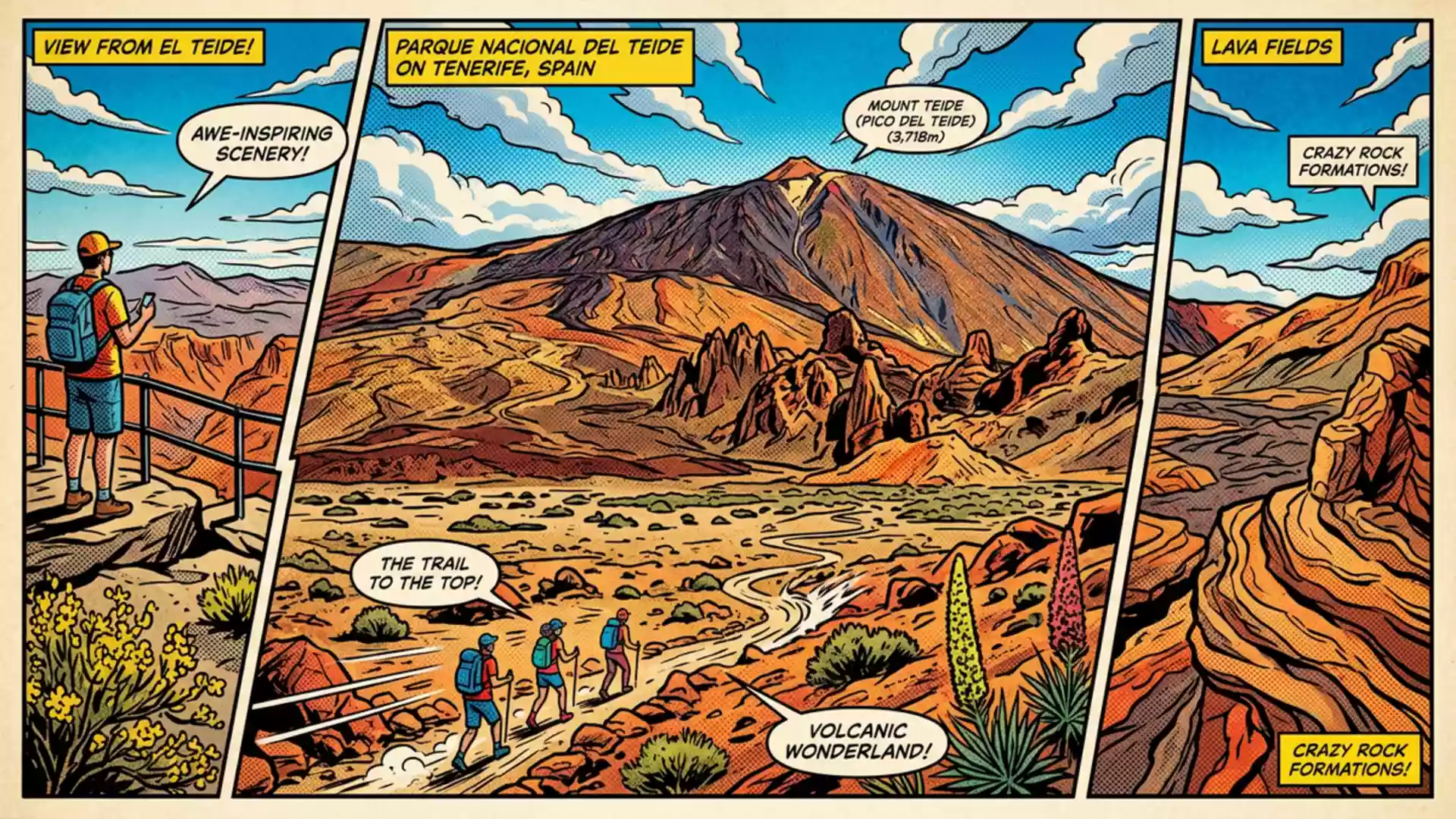
Tenerife council closes trails in Teide National Park 14-15 December
Published on 11/28/2026 at 17:39 | Editorial responsibility: Rafael Müller, Editor-in-Chief AD HOC NEWSSafety order and visitor access
- The Cabildo de Tenerife restricts access on 14 and 15 December 2026 for scheduled mouflon control.
- Siete Cañadas and Pico Viejo have different closure periods, while roads and several visitor areas remain excepted.
- UNESCO lists the site since 2007, with the Teide-Pico Viejo stratovolcano reaching 3,718 metres.
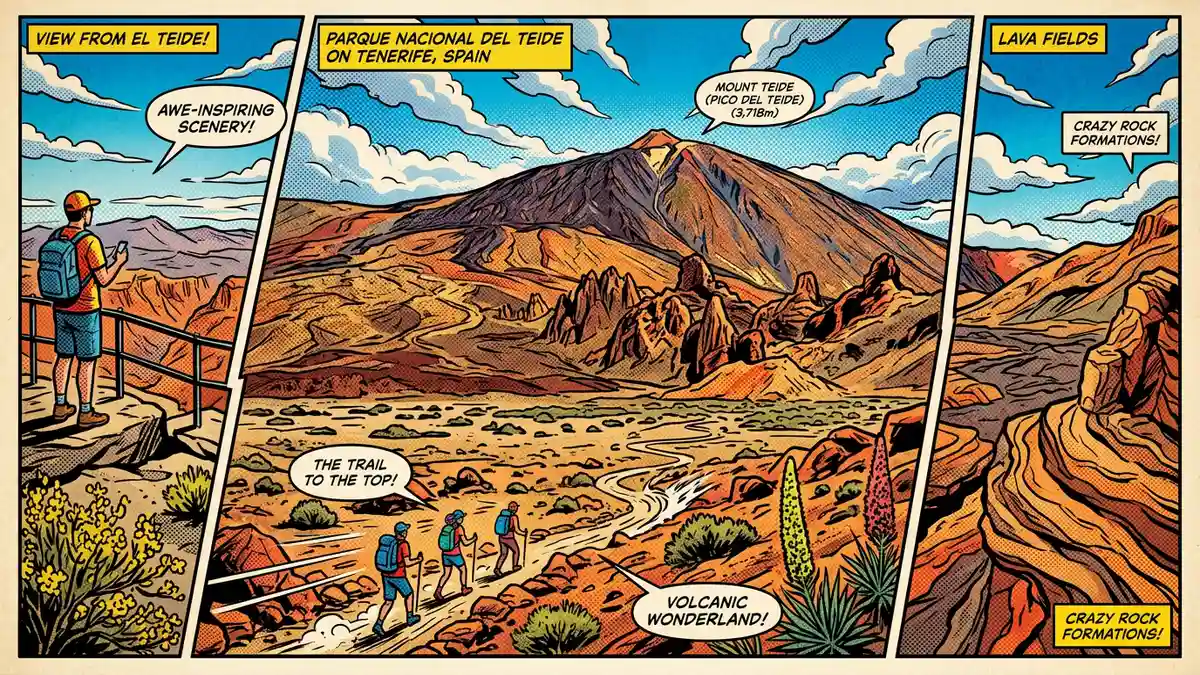
On Tenerife, Teide National Park (Parque Nacional del Teide) will restrict access to several trails on 14 and 15 December 2026 during scheduled mouflon control. The temporary closure changes where visitors can walk, but it does not close every road, viewpoint or visitor area in the Spanish national park.
Mouflon control closes trails on 14 and 15 December
The Cabildo de Tenerife has ordered a security restriction for people not involved in the control operation. The official access order for 2026 names 14 and 15 December 2026 as closure dates inside the park.
In the Siete Cañadas sector, south of the TF-21 and TF-24 roads, general access is prohibited from 7am to 2pm. In the Pico Viejo sector, north of the TF-21, the restriction runs from 7am to 5pm. The order says affected trails and tracks will be marked by the park administration.
The measure is linked to planned control of the introduced mouflon population, rather than to a festival, commercial activity or weather closure. The order also sets out exceptions, including roads and roadside viewpoints, the El Portillo area, Minas de San José, the Parador and Cañada Blanca visitor area, and several named trails and sections.
Teide landscape puts the access change in context
The restriction affects a volcanic landscape centred on the Teide-Pico Viejo stratovolcano. UNESCO describes the World Heritage site as lying on Tenerife and records the summit at 3,718 m (12,198 ft), the highest point on Spanish soil.
UNESCO inscribed the property on its World Heritage List in 2007. Its assessment highlights the concentration of volcanic landforms, the Las Cañadas escarpment and the geological evidence preserved across the park. That setting explains why a security operation can close selected highland paths while leaving roads, viewpoints and designated visitor zones outside the affected sectors.
For travellers, the December restriction is therefore more specific than a park-wide shutdown. A scenic drive or a visit to an excepted area may remain possible, while a planned walk through the closed parts of Siete Cañadas or Pico Viejo will need a different date or route.
Visiting Teide National Park: what travellers from Western Europe should know
- The access restriction applies on 14 and 15 December 2026 at Teide National Park during the Cabildo de Tenerife’s scheduled mouflon control.
- Access is restricted from 7am to 2pm in Siete Cañadas and from 7am to 5pm in Pico Viejo; roads, roadside viewpoints and listed exceptions remain outside those closures.
- The park is on Tenerife, with the affected sectors defined in relation to the TF-21 and TF-24 roads. The order names El Portillo, Minas de San José, the Parador and Cañada Blanca among the excepted areas.
- The terrain is high mountain country. The Teide-Pico Viejo stratovolcano reaches 3,718 m (12,198 ft), so walking plans require attention to altitude as well as the temporary access order.
Searching for Teide National Park on social platforms
These links open searches for Teide National Park on each platform.
Frequently asked questions about Teide National Park
When does mouflon control affect Teide National Park?
The Cabildo de Tenerife’s access restriction applies on 14 and 15 December 2026 in specified sectors of the park.
Which trails are affected by the December closure?
General access is restricted in parts of Siete Cañadas and Pico Viejo, with different periods and several listed exceptions for roads, viewpoints and visitor areas.
Where is Teide National Park and how do you get there?
It occupies the high volcanic interior of Tenerife in Spain. The access order identifies the TF-21 and TF-24 as the roads defining the affected sectors.