
Templo de A-Ma on Macau’s terraced granite hillside
Published on 09/07/2026 at 12:29 | Editorial responsibility: Rafael Müller, Editor-in-Chief AD HOC NEWS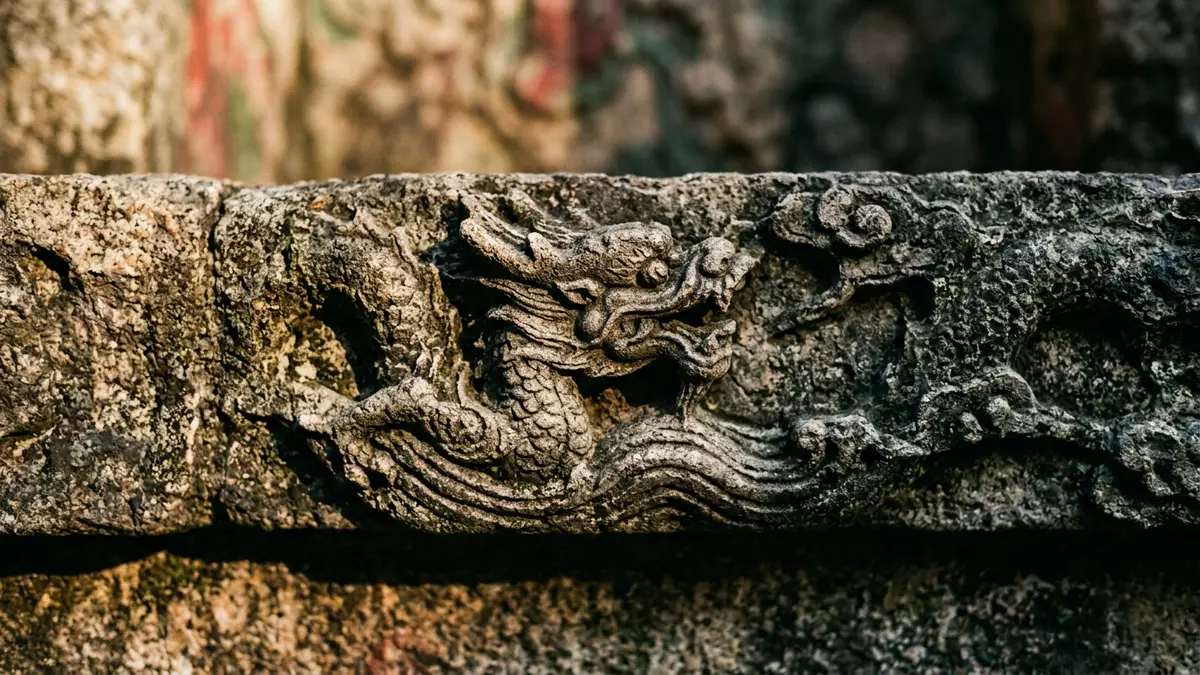
On the south-western edge of Macau Peninsula, Templo de A-Ma climbs the lower slopes of Barra Hill, a terraced temple complex dedicated to the sea goddess Mazu with roots in the Ming dynasty. Dating back to 1488, when the earliest hall was founded during the Ming period, it is among the oldest surviving religious structures in Macau and closely linked to the origin of the city’s name.
A hillside temple tied to Macau’s name
Templo de A-Ma occupies a site on the granite flank of Barra Hill above the Inner Harbour, facing the water in the area historically known as the Bay of A-Ma. The temple complex honours Mazu, also known as A-Ma or Tin Hau, the goddess associated with seafarers and fishing communities along the China coast.A-Ma Temple honours Mazu The earliest identifiable structure is the Hall of Benevolence, dated to 1488 during the Ming dynasty, giving the site a fifteenth-century foundation that predates the development of Macau as a Portuguese settlement.Hall of Benevolence dates to 1488
The temple’s position by the water is reflected in the way the area’s name became associated with the city itself. The bay around Barra Hill was referred to as A-Ma-Gau, the Bay of A-Ma, a name that was transcribed as Macau when Portuguese sailors encountered the site in the sixteenth century.Bay of A-Ma and Macau’s name Templo de A-Ma’s long history ties it to successive periods of Macanese life, from Ming and Qing dynasty religious practice to its incorporation into the Historic Centre of Macau as part of a UNESCO World Heritage ensemble recognised in 2005.part of the Historic Centre of Macau
Terraces, halls and granite courtyards
Seen from the street below, Templo de A-Ma steps up the hillside in a sequence of courtyards, halls and side structures that follow the slope of Barra Hill. Visitors ascend through forecourts paved in stone, with carved granite elements integrated into balustrades, stair edges and retaining walls as the complex climbs away from the harbour.granite and timber as primary materials The pavilions stand against the rock face, giving the impression of a temple embedded in the natural hillside rather than separated from it.
Within the complex, different halls are dedicated to various figures, including spaces associated with Mazu and other deities from Chinese religious traditions. The arrangement follows a rising sequence, where shrines, incense burners and side altars occupy terraces that become progressively more enclosed and intimate higher up the slope.one of Macao’s three oldest temples Stone inscriptions and timber plaques within some halls record the dates of construction and restoration, including evidence for building phases in 1605 and 1629 and later work in 1828 that contributed to the complex’s present scale.pavilions built at different times
Timber structure and Chinese religious architecture
Architecturally, Templo de A-Ma exemplifies traditional Chinese temple construction, combining timber halls, tiled roofs and dougong bracket systems with granite forecourts and stairways. The main structural system of its principal halls uses timber columns supporting beams and roof structures, with interlocking dougong assemblies transferring roof loads down to the vertical posts.timber columns and dougong assemblies Roofs carry ceramic tiles with pronounced eaves, and ridgelines are decorated with figures and motifs drawn from Chinese iconography.
Within the complex, elements associated with Taoism, Buddhism, Confucian traditions and local folk beliefs sit side by side, reflecting the syncretic character of Chinese religion. Different pavilions are dedicated to multiple deities, and they share incense-filled spaces and carved stone features within a single architectural ensemble.representation of Chinese culture with multiple beliefs The combination of timber halls on terraces, granite retaining walls and religious iconography set against the hillside forms a distinct landscape of worship that remains a characteristic part of Macau’s Historic Centre.
Visiting Templo de A-Ma: what travellers from Western Europe should know
- Templo de A-Ma stands on the south-western tip of Macau Peninsula on Barra Hill, above the Inner Harbour and near the waterfront district around the Maritime Museum.
- The temple complex rises up the slope in terraces connected by staircases, with several sequences of stone steps and uneven paving between the lower forecourts and the upper halls.
- Macau is a Special Administrative Region of China, where the official languages are Chinese and Portuguese and the currency is the Macanese pataca.
- Nearby, the water of the Inner Harbour and the low ridge of Barra Hill frame views across Macau, with the temple forming part of the wider Historic Centre recognised for its blend of Chinese and Portuguese urban fabric.
- Entry requirements depend on your nationality; UK travellers can check the FCDO travel advice at gov.uk/foreign-travel-advice, Irish travellers the Department of Foreign Affairs at ireland.ie.
Searching for Templo de A-Ma on social platforms
These links open searches for Templo de A-Ma on each platform.
Frequently asked questions about Templo de A-Ma
Where is Templo de A-Ma located within Macau?
Templo de A-Ma is situated on Barra Hill at the south-western tip of Macau Peninsula, overlooking the Inner Harbour in the historic waterfront district.
What should a visitor expect on a visit to Templo de A-Ma?
A visit involves ascending a terraced temple complex with granite courtyards, incense-filled halls and staircases that connect different shrines dedicated to Mazu and other deities.
What makes Templo de A-Ma distinctive among Macau’s religious sites?
Its fifteenth-century Hall of Benevolence, timber-and-granite construction and association with Macau’s name and UNESCO-listed Historic Centre give the temple a distinctive place in the city’s cultural landscape.


