Templo de A-Ma and Macau’s hillside sea goddess shrine
Published on 09/14/2026 at 10:41 | Editorial responsibility: Rafael Müller, Editor-in-Chief AD HOC NEWS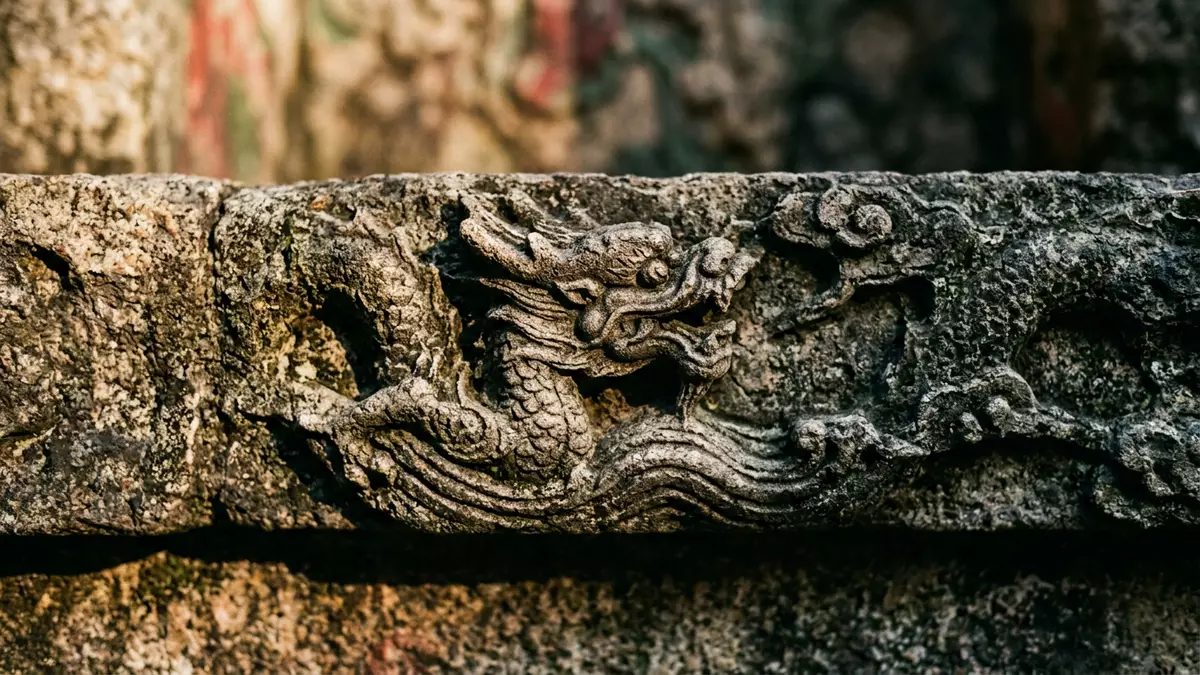
Templo de A-Ma in Macau is a stepped hillside temple complex dedicated to the sea goddess Mazu, rising above the water at the south-western tip of the peninsula. Its earliest surviving hall dates to 1488 in the Ming dynasty, giving the site fifteenth-century origins and a place among Macau’s oldest religious structures. The temple forms part of the UNESCO-listed Historic Centre of Macau, linking Chinese maritime devotion to the wider history of the port city.
A sea-facing temple on Barra Hill
Templo de A-Ma occupies the western slope of Barra Hill, a rocky outcrop at the south-western end of the Macau Peninsula, where the land meets the inner harbour. The complex is laid out on a series of terraces built against the hillside and facing the bay known in Chinese as A-Ma-Gau, the “Bay of A-Ma”, a name that is closely associated with the origin of the word “Macau”.Bay of A-Ma Stepped paths and courtyards thread upwards between granite outcrops, so that shrines, halls and small pavilions appear to cling to the slope as visitors climb.
The site is dedicated to Mazu, also known locally as A-Ma, a deity worshipped as a protector of seafarers in southern Chinese tradition.protector of seafarers Inscriptions and local accounts link the temple to the fishing and trading communities that used the sheltered waters below Barra Hill, making the maritime setting integral to its identity. From the higher terraces, there are outward views across the harbour, underlining how closely the religious life of the temple is tied to the sea route that helped bring Macau into contact with the wider world.
Ming dynasty origins and layered development
The history of Templo de A-Ma reaches back to the fifteenth century, when the earliest structure, the Hall of Benevolence, was built in 1488 during the Ming dynasty.Hall of Benevolence This earliest hall stands near the lower part of the complex and is associated in tradition with local fishing communities, who honoured Mazu as a guardian of boats and crews. Later in the Ming period, a Prayer Hall known as “The First Palace of the Holy Mountain” was added and dated by inscriptions to 1605, with a rebuilding recorded in 1629.Prayer Hall dated 1605 These dates provide rare physical evidence for the development of a Chinese temple on the Maritime Silk Road.
Further structures appeared over the following centuries, including a hall dedicated to Guanyin, the bodhisattva associated with compassion, and the Zhengjiao Chanlin pavilion on an upper terrace. A major restoration in 1828 is recorded in inscriptions and marks the moment when the temple essentially reached its present scale, with the pavilions and halls arranged as visitors see them now.major restoration in 1828 This long timeline means that the complex brings together elements from the Ming and Qing periods, preserving a record of Chinese religious architecture over several hundred years in a single hillside site.
Architecture, materials and religious atmosphere
Architecturally, Templo de A-Ma is a traditional Chinese temple complex that combines Taoist, Buddhist, Confucian and folk elements in one place.traditional Chinese temple complex The main halls use timber construction, with solid wooden columns supporting roofs through dougong bracket sets, the interlocking assemblies that transfer roof loads down to the posts.dougong bracket sets Roofs are covered with traditional tiles and carry upturned eaves, while granite and brick appear in walls, plinths and the stepped forecourts that mediate between built structures and natural rock.
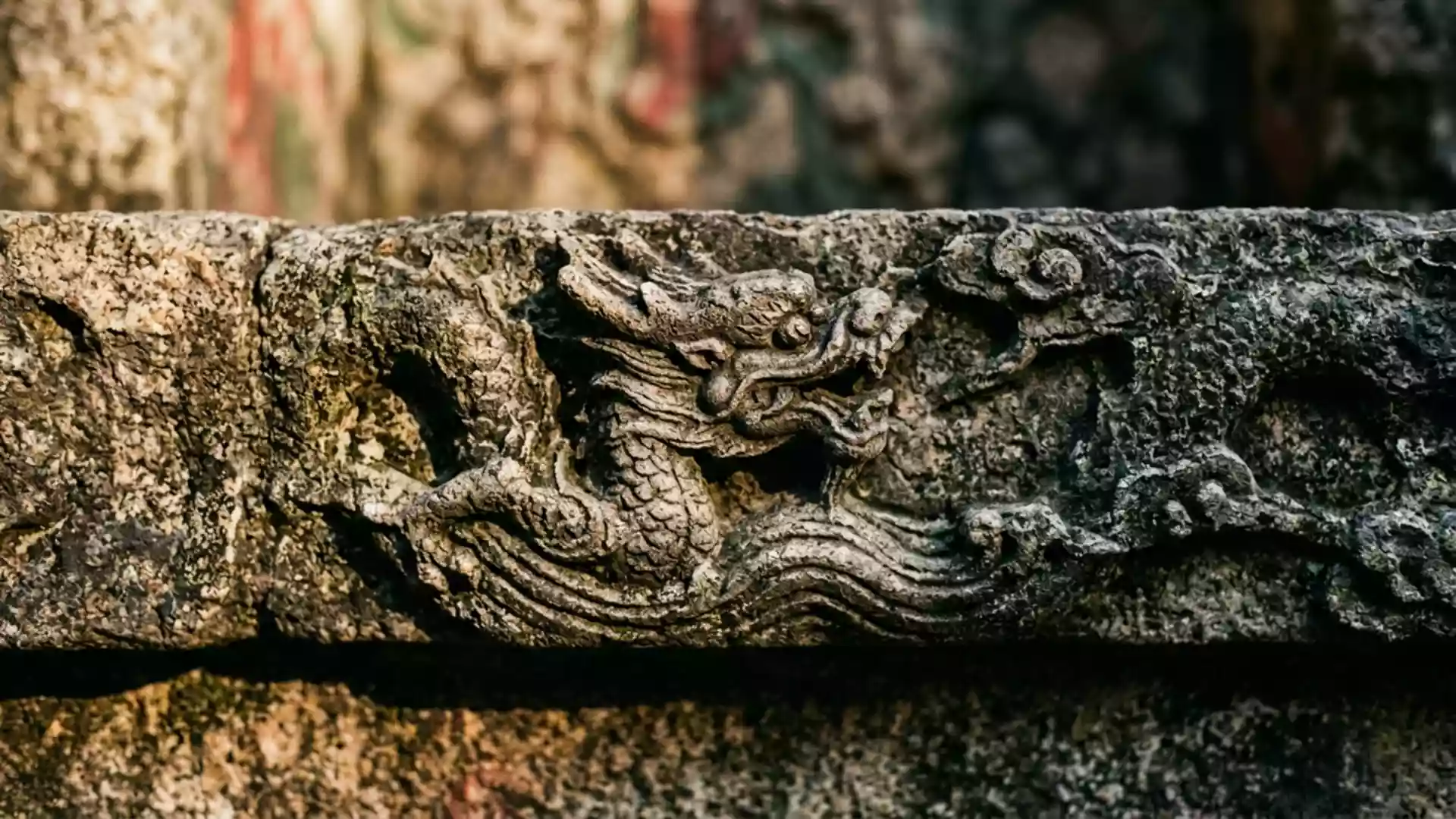
The temple’s courtyards and pavilions are filled with decorative stonework, incense burners and carved tablets, reinforcing the atmosphere of a working place of worship rather than an open museum. On the lowest terrace, a ceremonial gate marks the approach from Barra Square, with further arches and smaller shrines leading upwards towards the main halls. Reliefs, calligraphy panels and guardian figures draw the eye along the route, and the juxtaposition of rock, masonry and timber gives the complex a layered texture that reflects its incremental growth across several dynasties.
Visiting Templo de A-Ma: what travellers from Western Europe should know
- Templo de A-Ma stands on the western slope of Barra Hill at the south-western tip of the Macau Peninsula, close to Barra Square and the inner harbour. It is reached along city streets that lead from central Macau towards the waterfront district.
- The temple complex climbs the hillside on stone steps and sloping paths between terraces, so a visit involves walking up and down stairways and moving across uneven natural rock and paved courtyards.
- The official language in Macau is Chinese and the currency is the Macanese pataca.
- Entry requirements depend on your nationality; UK travellers can check the FCDO travel advice at gov.uk/foreign-travel-advice, Irish travellers the Department of Foreign Affairs at ireland.ie.
Searching for Templo de A-Ma on social platforms
These links open searches for Templo de A-Ma on each platform.
Frequently asked questions about Templo de A-Ma
Where is Templo de A-Ma located in Macau?
Templo de A-Ma stands on the western slope of Barra Hill at the south-western tip of the Macau Peninsula, above the inner harbour near Barra Square.
What should visitors expect during a visit?
A visit involves climbing stone steps and moving through terraced courtyards, pavilions and timber halls set against natural rock, with active worship and incense in the temple spaces.
What makes Templo de A-Ma distinctive among Macau’s historic sites?
Its combination of fifteenth-century Ming origins, multi-terraced hillside layout facing the sea and a mix of Taoist, Buddhist, Confucian and folk elements gives it a distinctive character within Macau’s Historic Centre.