
Teleferico de Puerto Plata and the ascent to Mount Isabel de Torres
Published on 09/03/2026 at 21:34 | Editorial responsibility: Rafael Müller, Editor-in-Chief AD HOC NEWS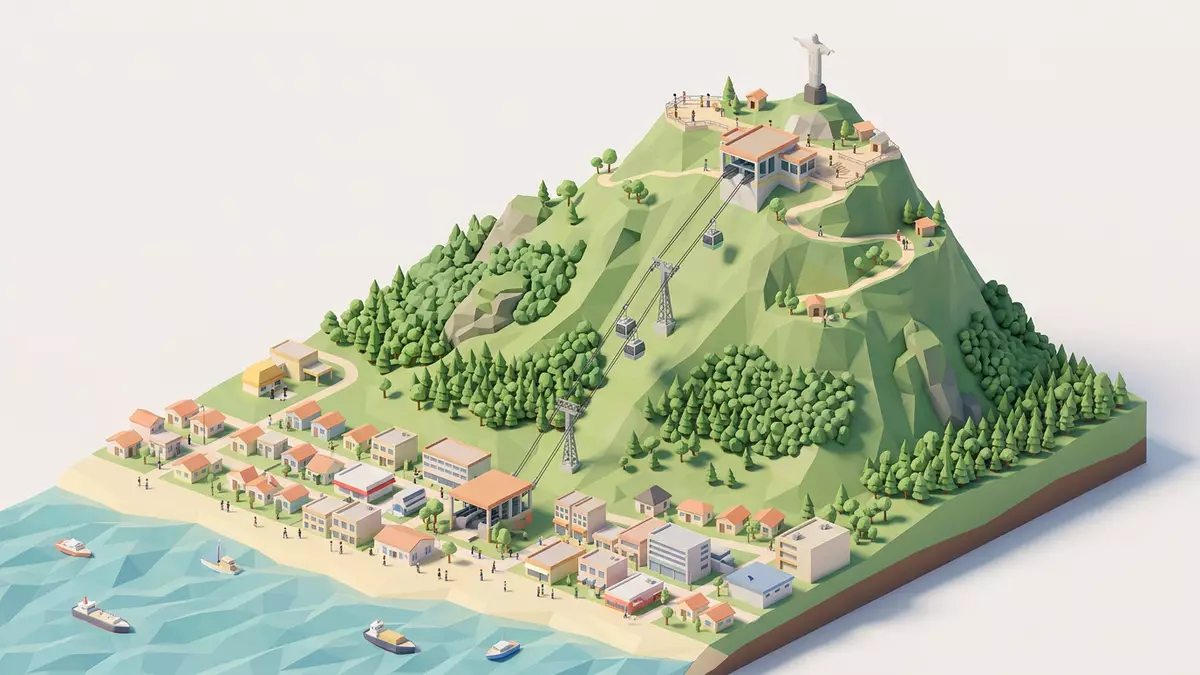
Teleferico de Puerto Plata is the aerial route from the streets of Puerto Plata to the summit of Mount Isabel de Torres above the Atlantic coast of the Dominican Republic. Rising hundreds of metres from the southern edge of the city to a protected hilltop park, the cable car has linked urban life with the surrounding landscape since the mid-1970s.
A Caribbean cable car into a mountain national park
The Puerto Plata cable car is an aerial tramway climbing from a base station on the southern side of the city to the top of Mount Isabel de Torres, a peak designated as a national park and nature reserve. The line spans a significant height difference, with the upper station lying close to 793 m (2,601 ft) above sea level according to local tourism information, making it one of the most dramatic short ascents in the region.793 metres above sea level From the cabins, travellers see the grid of Puerto Plata’s streets fall away below, with views towards the Atlantic and along the North Coast.
The system has been part of Puerto Plata’s identity for decades. Local accounts describe how it was constructed in the mid-1970s with technical input from Italian engineers, and it has been operating since 1975 as a short but steep link between town and mountain.operating since 1975constructed in 1974 The line runs between two fixed stations, one near the foothills and the other on the summit plateau, with the cabins moving in opposite directions as a pair.
Mount Isabel de Torres: summit gardens and a Christ statue above the city
At the top of the cable car, Mount Isabel de Torres opens out as a landscaped mountain park with botanical planting, walking paths and wide lawns set against wooded slopes. The summit area forms the upper station of the national park, where tropical plants and flowers grow in the cooler air of the hilltop and short trails fan out from the arrival point into patches of cloud forest and viewpoints over the coast.lush botanical garden The contrast between the ordered garden plots and the surrounding wild vegetation is part of what gives the summit its character.
One of the most striking structures on the mountain is a statue of Christ with outstretched arms, echoing the proportions of Rio de Janeiro’s Christ the Redeemer and standing above the upper station on a rocky outcrop. The figure is visible from many parts of Puerto Plata and appears to bless the city’s roofs and harbour from above.replica of Christ the Redeemer statue Paths lead from the cable car building past gardens to the base of the statue, where viewpoints look north across the Atlantic and inland towards the hills of the island’s interior.
Engineering, route and the experience of the ascent
Teleferico de Puerto Plata uses a pair of cabins suspended from long steel cables that run between the lower and upper stations on Mount Isabel de Torres. The route itself is relatively short, measured at around 800 m (2,625 ft) in length by local tourism guides, but the gradient is steep enough that the journey feels like a quick transition from sea-level city streets to mountain parkland.covers 800 metres The cabins are enclosed, with windows giving views across the valley and towards the coastline throughout the ride.
The line’s origin in the 1970s places it among the earlier tourist cable cars in the Caribbean. Descriptions of its construction refer to the involvement of engineer Gilberto Payán working with specialists from Italy, reflecting the international expertise needed for a high-gradient aerial tramway.Ing. Gilberto Payan and Italian technicians The cabins move in a counterbalanced rhythm, one ascending while the other descends, and cross a band of forest where the slope falls away towards the city.
Visiting Teleferico de Puerto Plata: what travellers from Western Europe should know
- Teleferico de Puerto Plata stands in the hills immediately south of Puerto Plata on the Dominican Republic’s North Coast, with the base station reached from city streets such as Camino a los Domínguez.
- The approach to the upper station on Mount Isabel de Torres involves a steep gradient, and paths at the summit include sections on natural ground as well as paved routes through the gardens.
- The official language is Spanish and the currency is the Dominican peso.
- Entry requirements depend on your nationality; UK travellers can check the FCDO travel advice at gov.uk/foreign-travel-advice, Irish travellers the Department of Foreign Affairs at ireland.ie.
Searching for Teleferico de Puerto Plata on social platforms
These links open searches for Teleferico de Puerto Plata on each platform.
Frequently asked questions about Teleferico de Puerto Plata
Where is Teleferico de Puerto Plata located?
Teleferico de Puerto Plata is in Puerto Plata on the northern coast of the Dominican Republic, with its route climbing south to the summit of Mount Isabel de Torres.
What can visitors expect at the top of the cable car?
At the summit station on Mount Isabel de Torres, visitors find botanical gardens, walking paths, viewpoints over the city and coast, and a statue of Christ with open arms.
What makes Teleferico de Puerto Plata distinctive among Caribbean attractions?
Teleferico de Puerto Plata combines an aerial tramway with a mountain national park and a hilltop Christ statue, creating a visible link between Puerto Plata’s urban seafront and its surrounding highlands.


