
Teatro Romano de Cartagena and the hill it cuts into
Published on 09/12/2026 at 20:30 | Editorial responsibility: Rafael Müller, Editor-in-Chief AD HOC NEWS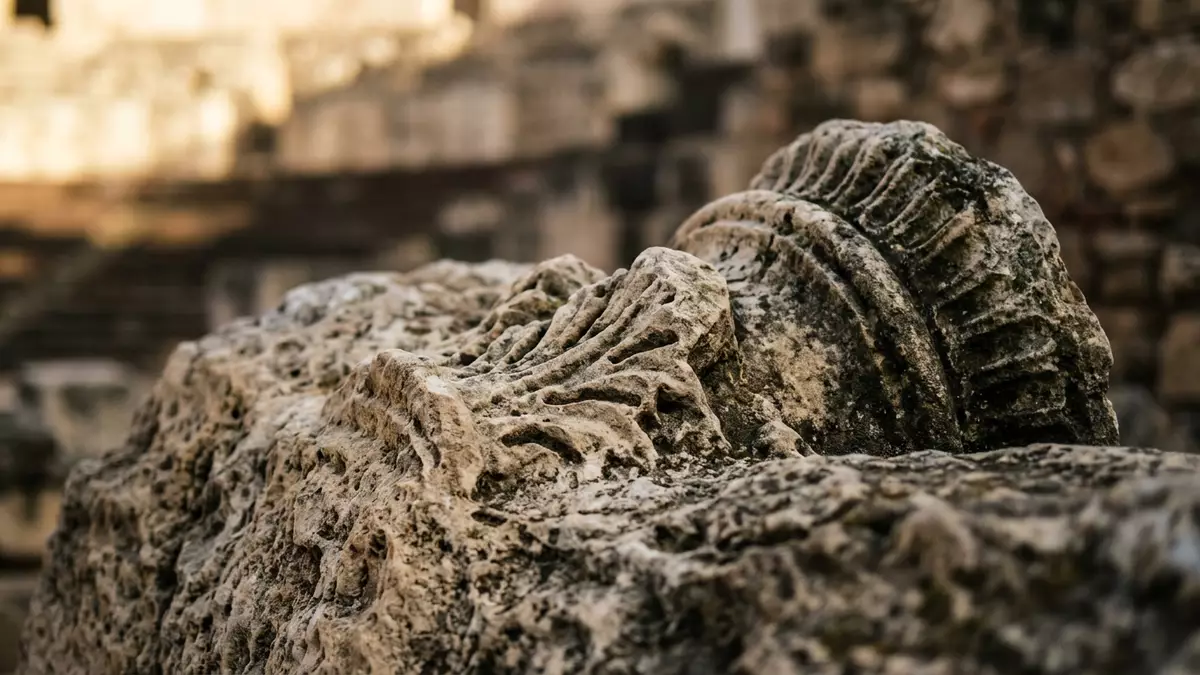
Teatro Romano de Cartagena rises from a hillside in Cartagena, with its seating cut into the slope and its stage front facing the city. Built between 5 and 1 BC under Augustus, it is one of the clearest Roman layers in the old harbour city.
An Augustan theatre on a Cartagena slope
The theatre belongs to the Roman colony of Carthago Nova, the ancient name of Cartagena, and its date places it in the late Republican and Augustan transition. The monument is linked to the years 5 and 1 BC, a span confirmed by dedicatory inscriptions.
Its public face is not a freestanding block but a curved Roman auditorium embedded into the hillside. That arrangement is easy to read in the surviving stone tiers, the stage building and the arc of the cavea.
Augustus, Carthago Nova and the city stage
The theatre is inseparable from the Roman city that flourished on this Mediterranean shore. Its history belongs to the reign of Augustus, and the monument reflects the city’s status as an important Roman port.
Visible remains include the semicircular auditorium, the stage area and the masonry fragments that frame them. The museum route beside the monument presents the theatre as a structural part of Cartagena’s Roman fabric, not as an isolated ruin.
From buried monument to museum route
The theatre was concealed for centuries beneath later urban layers, and that buried condition has left it as a layered archaeological site rather than a simple excavation. The present visitor route runs through the museum complex associated with Plaza del Ayuntamiento, where the route meets the monument.
The setting brings together Roman stone, museum architecture and the old city plan around the cathedral area. Rafael Moneo’s name belongs to the museum building, which frames the ruins without hiding the theatre’s scale.
Visiting Teatro Romano de Cartagena: what travellers from Western Europe should know
- Teatro Romano de Cartagena stands in central Cartagena, in the old town near Plaza del Ayuntamiento. The museum entrance is on the square, beside the city’s historic core.
- The monument sits on a slope, so the site includes changes in level and stone passages between museum spaces and the theatre remains.
- The museum complex combines an archaeological route with display rooms, so the visit covers both the excavated monument and the city’s Roman context.
- Cartagena is in Spain, and the site belongs to the Region of Murcia.
- The theatre lies close to the cathedral quarter and the harbour-side centre, so it fits naturally into a walk through the older streets.
Searching for Teatro Romano de Cartagena on social platforms
These links open searches for Teatro Romano de Cartagena on each platform.
Frequently asked questions about Teatro Romano de Cartagena
Where is Teatro Romano de Cartagena?
It stands in Cartagena, Spain, in the old town near Plaza del Ayuntamiento. The monument is part of the city’s Roman and museum quarter.
What does a visit involve?
The route combines museum spaces with the excavated theatre itself. Visitors move through displays, passages and the stone remains of the auditorium and stage area.
What makes it distinctive?
Its hillside setting and Roman auditorium create a clear reading of the structure in the city centre. The monument also links the Augustan past of Carthago Nova with Cartagena’s later urban layers.


