
Teatro Romano de Cartagena and its stone tiers
Published on 09/23/2026 at 12:32 | Editorial responsibility: Rafael Müller, Editor-in-Chief AD HOC NEWS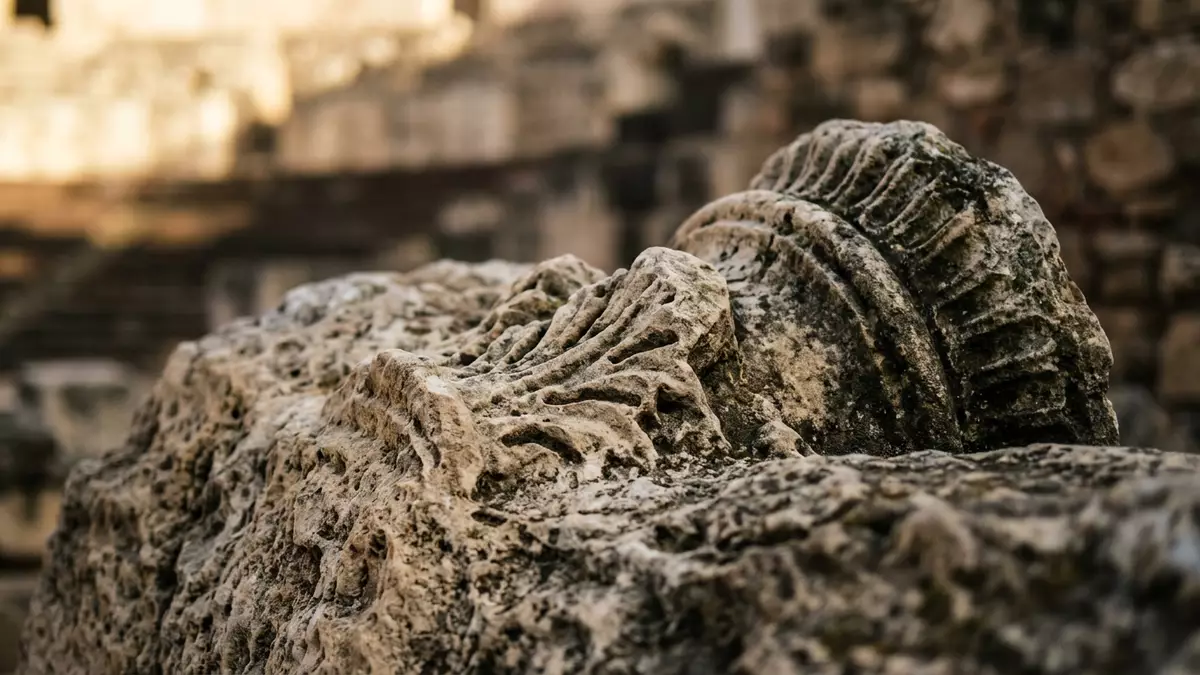
Teatro Romano de Cartagena rises from the centre of Cartagena as a broad sweep of ancient stone seating, facing the remains of a stage building. Built in the late first century BC during the reign of Augustus, it gives the modern city a direct view of Carthago Nova’s Roman civic landscape.
Teatro Romano de Cartagena: a theatre shaped by stone tiers
The theatre occupies the side of a hill in Cartagena, where the cavea forms a semicircle around the orchestra and stage area. Its surviving masonry includes seating rows, passageways, stairways and fragments of the architectural backdrop that once framed performances.
The building belongs to the period when Carthago Nova was a Roman colony. late first-century BC theatre construction formed part of the city’s Augustan urban development. Inscriptions connected with Gaius and Lucius Caesar help place the theatre within the final years before the beginning of the common era.
Augustus, Carthago Nova and the Roman stage
Teatro Romano de Cartagena was a public performance building in a Roman port city. The orchestra lies before the stage, while the cavea rises behind it in ordered stone tiers. Access corridors and radial stairways divided the seating into sections.
The theatre’s history is also preserved through its architectural fragments. Capitals, columns, inscriptions and sculptural pieces found during excavation connect the monument with the Augustan period and with the public language of Roman power. Augustan urban development shaped the historical setting of the building, alongside other civic and religious structures in Carthago Nova.
From excavated remains to a museum sequence
The monument is presented through the Museo del Teatro Romano de Cartagena, whose entrance occupies the Palacio Pascual del Riquelme on Plaza del Ayuntamiento. The museum contains inscriptions, sculpture, architectural elements and objects recovered from the theatre and its surrounding archaeological area.
Architect Rafael Moneo designed the museum’s interior route. Galleries lead through the history of Cartagena and the Roman theatre before reaching the excavated monument itself. Museo del Teatro Romano therefore combines an archaeological collection with the surviving theatre, joining urban history, architecture and material remains in one cultural site.
The theatre’s curved seating remains the clearest feature of the visit. Stone rows face the orchestra and stage, while the hill behind the monument continues the slope of the ancient cavea. The open archaeological space makes the relationship between the theatre’s parts visible without reconstructing the lost building in full.
Visiting Teatro Romano de Cartagena: what travellers from Western Europe should know
- Teatro Romano de Cartagena is in central Cartagena, at Plaza del Ayuntamiento, near the harbour and the historic city centre. The museum entrance is housed in the Palacio Pascual del Riquelme.
- The visit combines indoor galleries with exposed archaeological remains. It includes museum rooms, corridors, stone seating, passageways and the theatre’s stage area.
- Cartagena’s official language is Spanish and its currency is the euro.
- The theatre stands on a hillside, so the route includes changes of level, stairs and uneven archaeological surfaces.
Searching for Teatro Romano de Cartagena on social platforms
These links open searches for Teatro Romano de Cartagena on each platform.
Frequently asked questions about Teatro Romano de Cartagena
Where is Teatro Romano de Cartagena?
Teatro Romano de Cartagena is in Cartagena, in the Region of Murcia, Spain. The museum entrance is at Plaza del Ayuntamiento in the historic centre.
What does a visit include?
The route includes museum galleries and the excavated Roman theatre. Visitors see inscriptions, sculpture, architectural fragments, stone seating, passageways and the stage area.
What makes the theatre distinctive?
Its curved cavea survives as a substantial Roman structure from the Augustan age. The museum route connects the archaeological collection directly with the theatre’s stone remains.


