Tallinna vanalinn and the medieval city plan in Tallinn
Published on 09/11/2026 at 06:01 | Editorial responsibility: Rafael Müller, Editor-in-Chief AD HOC NEWS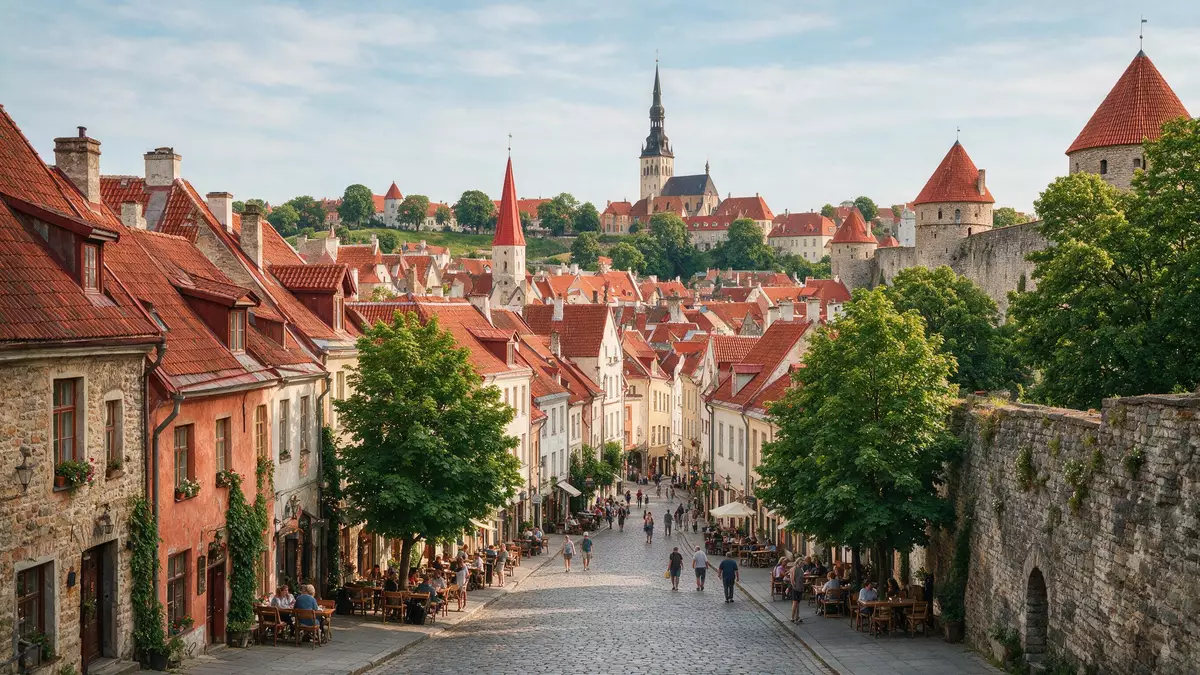
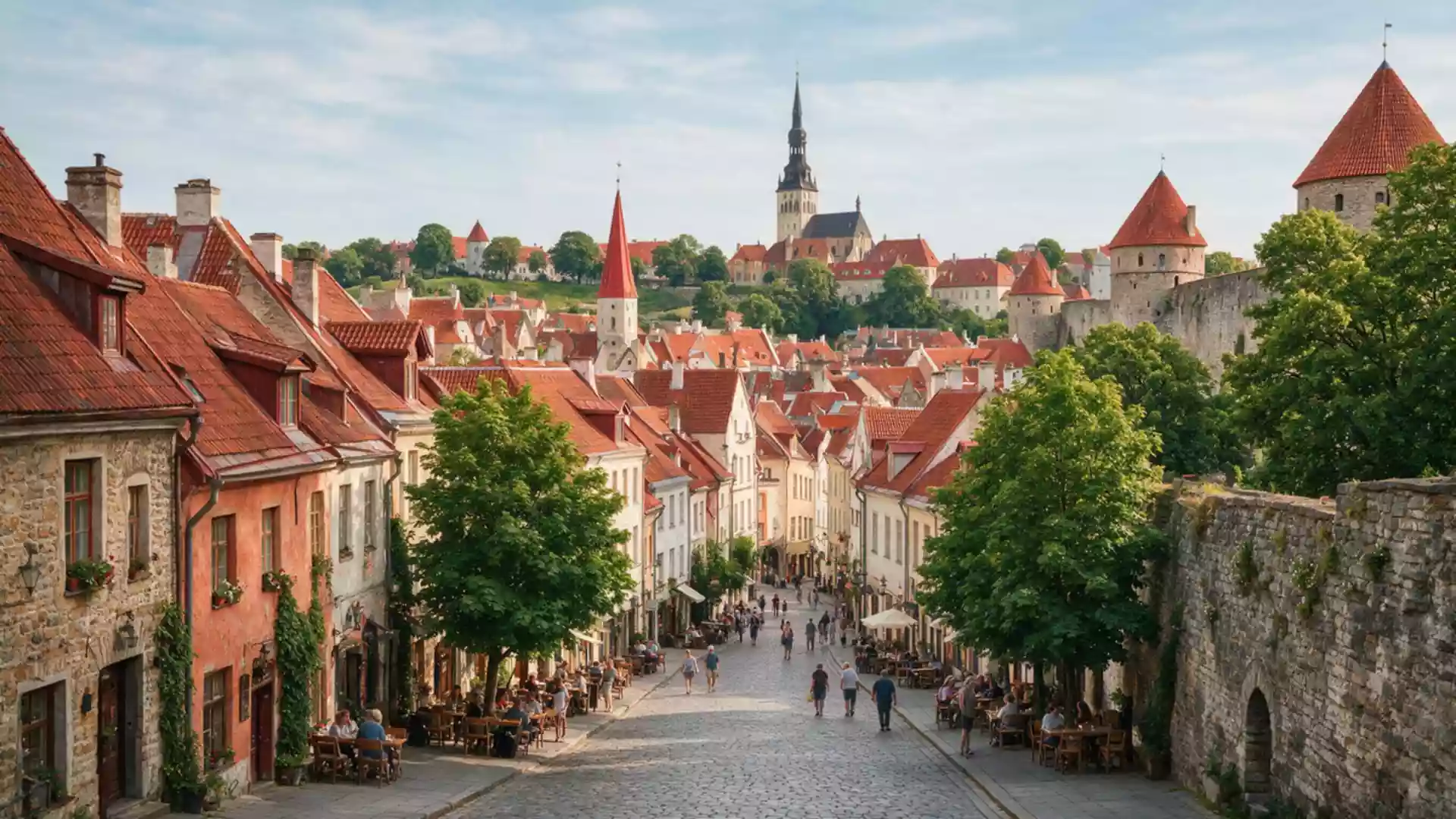
Tallinna vanalinn is the old town of Tallinn, set between Toompea hill and the lower streets near the harbour. Its streets, towers and church spires form a compact medieval cityscape with a clear historic outline.medieval cityscape The area entered the UNESCO World Heritage List in 1997, and that designation frames the city centre as a preserved northern European trading town.entered the UNESCO World
Toompea and the lower town
The old town is split between the elevated upper town and the flatter streets below. That arrangement is visible in the way stone walls, lanes and viewpoints cluster across the slope of Toompea.upper town and the The historic centre of Tallinn was inscribed as an exceptionally complete medieval northern European trading city, a description that fits the dense street network and the surviving town fabric.
Much of the built landscape dates from the thirteenth to sixteenth centuries. Gothic churches, merchant houses and public buildings sit alongside later additions, so the streets read as a layered urban record rather than a single preserved moment.layered medieval cityscape
Walls, gates and market squares
Stone defences remain one of the clearest features of Tallinna vanalinn. The UNESCO listing describes mostly preserved fortifications and a medieval street network, both of which still organise the old town’s form.mostly preserved fortifications Gates, towers and wall sections break up the skyline, while squares open the plan around the densest streets.
Raekoja plats, the Town Hall Square, belongs to the civic centre of the lower town. Its Gothic Town Hall and the surrounding merchant houses give the square a more formal character than the nearby lanes, and the composition is one of the best-known parts of the old town.Town Hall Square
Medieval fabric in a living city
Tallinna vanalinn survives as an inhabited district, not as a frozen monument. Houses, museums, churches and civic buildings share the same streets, so the old town still reads as a functioning part of Tallinn’s centre.inhabited district The preserved medieval plan gives the quarter its coherence, while later stone fronts and rebuilt details add another historical layer.
The result is a city centre where limestone walls, cobbled lanes and spired churches remain close together. The old town’s form is compact, with Toompea above the lower streets and the harbour district just beyond the historic core.
Visiting Tallinna vanalinn: what travellers from Western Europe should know
- The old town lies in central Tallinn, within walking reach of the harbour and the modern centre. The upper town rises on Toompea, while the lower streets spread beneath it.
- The area includes slopes, wall lines and cobbled lanes. Some streets climb towards viewpoints, and the historic core is more varied underfoot than a flat city grid.
- Tallinn is the capital of Estonia. The official language is Estonian and the currency is the euro.
- Entry requirements depend on your nationality; UK travellers can check the FCDO travel advice at gov.uk/foreign-travel-advice, Irish travellers the Department of Foreign Affairs at ireland.ie.
Searching for Tallinna vanalinn on social platforms
These links open searches for Tallinna vanalinn on each platform.
Frequently asked questions about Tallinna vanalinn
Where is Tallinna vanalinn?
It is the historic centre of Tallinn in Estonia, clustered around Toompea hill and the lower town below it. The old quarter sits close to the harbour and the modern city centre.
What does a visit involve?
Expect narrow streets, cobbles, stone walls and several layers of building history. The district combines churches, merchant houses, squares and fortifications in a compact area.
What makes Tallinna vanalinn distinctive?
Its defining feature is the medieval street plan and the surviving fabric around it. The UNESCO-listed centre keeps the outline of a northern European trading town legible in stone, walls and lanes.