
Takayama Jinya and the Edo-era government house in Takayama
Published on 09/09/2026 at 12:52 | Editorial responsibility: Rafael Müller, Editor-in-Chief AD HOC NEWS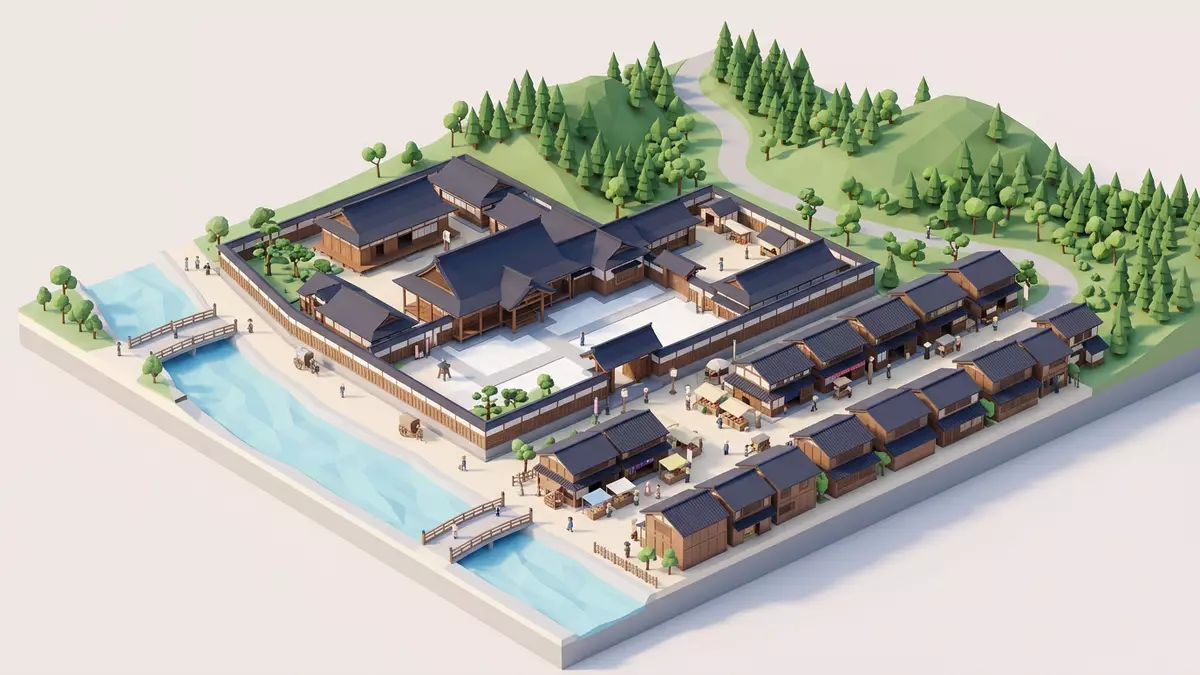
Takayama Jinya in Takayama, Japan, is a rare Edo-period government complex where a timber magistrate’s office and its surrounding buildings have survived into the modern era. This former administrative centre governed Hida Province under the Tokugawa shogunate from 1692 until the abolition of feudal domains in the nineteenth century, and it has been protected as a National Historic Site since 1929.National Historic Site since 1929
Edo government in timber and tatami
Takayama Jinya was established as a *jinya*, a regional administrative office, when the Tokugawa shogunate brought the Hida region under direct rule in 1692.governed Hida Province from 1692 From then until the early Meiji period the complex served as the Daikansho, or magistrate’s office, where officials supervised tax collection, justice and local affairs. The surviving main building stands in Hachiken-machi in central Takayama, in Gifu Prefecture, and forms part of a wider story of local craftsmanship recognised as Japanese Heritage.Japanese Heritage Hida Takumi story
The complex is built in timber in the architectural language of the Edo period, with single-storey halls arranged around internal courtyards. Inside, tatami-matted rooms with sliding paper screens mark out offices, reception spaces and living quarters, while verandas run along the edges and link the rooms to the garden. The carpentry techniques of Hida – known as Hida no Takumi – are present in the beams, columns and joinery, giving the complex a distinct regional character that differs from stone-built government houses in other parts of the world.architecture typical of Hida carpenters
Office rooms, residences and granaries
Takayama Jinya consists of an interconnected group of buildings that once combined government work, domestic life and storage. One part forms the office zone, where the magistrate and officials worked, met petitioners and handled records; another part is the residential area where the magistrate and his family lived; a third part is the rice granary, which stored the annual rice tax collected from the surrounding countryside.office space, living space and rice granary Together, these elements show how a provincial government centre functioned in a society where rice was both staple food and a key unit of taxation.
Within the office wing, a sequence of tatami rooms includes formal chambers used for official audiences and more modest spaces where clerks worked on documents. Wooden signage, low desks and traditional fittings preserve the atmosphere of Edo administration. The residential wing contains living rooms and private chambers laid out in the same timber-and-tatami construction, showing how the magistrate’s household life was embedded in the same compound. Behind them, the granary buildings with heavy timbers and raised floors emphasise the importance of storing rice securely, and connect Takayama Jinya directly to the agrarian economy of Hida.
From government house to historic site
Takayama Jinya continued in official use long after the Edo period and remained a government office into the twentieth century.official use from 1692 to 1969 Its designation as a National Historic Site in 1929 marked the beginning of formal protection, and later restoration campaigns brought the complex back to an Edo-period appearance. After extensive restoration work completed in 1996, Takayama Jinya opened fully as a museum, allowing visitors to walk through rooms that still retain their historical layout and materials.restoration work completed in 1996
Today the site presents more than 30 rooms that can be entered or viewed, including interrogation rooms, archives, kitchens and reception spaces.over 30 rooms open to visitors Garden areas, covered walkways and storehouses broaden the experience beyond the main hall, and the timber construction and tatami floors remain central to the visit. As a museum, Takayama Jinya offers insight into the structures of Tokugawa rule in a regional town in the Japanese Alps, using the preserved government house itself rather than reconstructed models or replicas.
Visiting Takayama Jinya: what travellers from Western Europe should know
- Takayama Jinya stands in Hachiken-machi in central Takayama in Gifu Prefecture, a short walk inland from the Miyagawa River and within Takayama’s historic district.address in Hachiken-machi, Takayama City
- The complex is largely single-storey with timber floors and tatami rooms connected by corridors and verandas; visiting involves walking through a series of interiors and crossing small outdoor courtyards.
- JR Takayama Station on the main rail line through the Hida region is within walking distance of the site, and the route through town leads past streets of traditional wooden houses.access on foot from Takayama Station
- The official language is Japanese and the currency is the yen.
- Entry requirements depend on your nationality; UK travellers can check the FCDO travel advice at gov.uk/foreign-travel-advice, Irish travellers the Department of Foreign Affairs at ireland.ie.
Searching for Takayama Jinya on social platforms
These links open searches for Takayama Jinya on each platform.
Frequently asked questions about Takayama Jinya
Where is Takayama Jinya located?
Takayama Jinya stands in Hachiken-machi in Takayama, a city in Gifu Prefecture in central Japan, within walking distance of JR Takayama Station.
What can visitors expect inside Takayama Jinya?
Visitors walk through timber halls with tatami rooms, corridors, gardens and granary buildings that once housed the Edo-period magistrate’s offices, residences and rice tax stores.
What makes Takayama Jinya distinctive among historic sites?
It is a surviving Edo government complex that served Hida Province from 1692, and its main building and granaries remain preserved as a National Historic Site.


