Sulphur Springs in Soufriere, inside Saint Lucia’s volcanic heart
Published on 08/12/2026 at 14:30 | Editorial responsibility: Rafael Müller, Editor-in-Chief AD HOC NEWS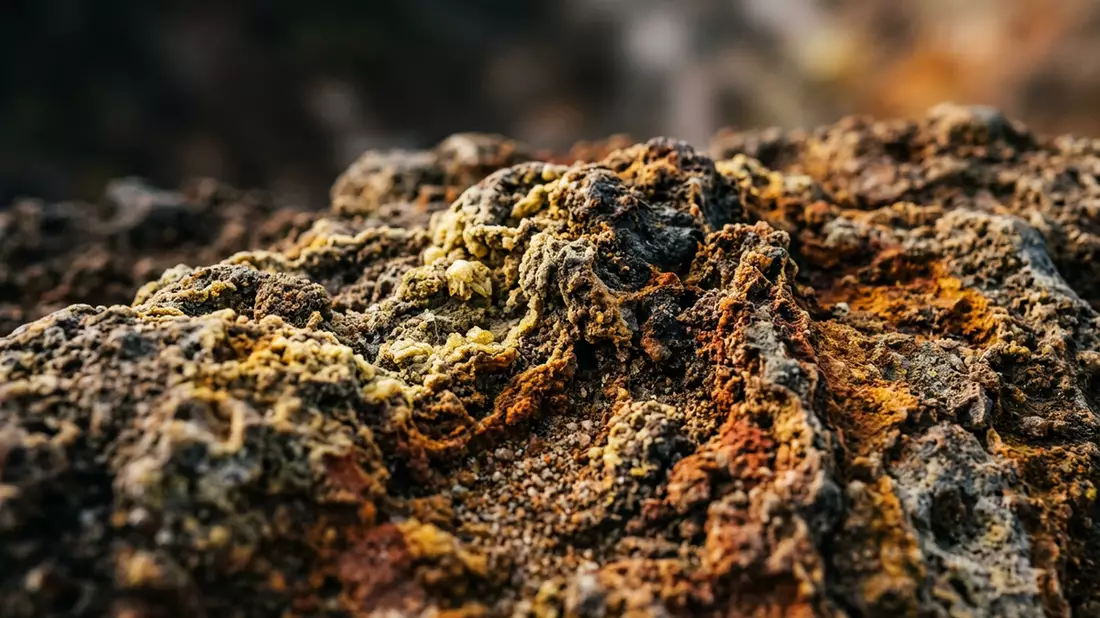
On the southwest coast of Saint Lucia, inland from Soufriere, Sulphur Springs presents the island’s volcanic heart as a landscape of steaming rock and bubbling mud. Set within the Qualibou caldera, a collapsed volcanic depression dating to between 32,000 and 39,000 years ago, this geothermal field turns abstract geology into something immediately visible in front of the visitor.Qualibou caldera
A geothermal field inside the Qualibou caldera
Sulphur Springs lies within the Soufrière Volcanic Centre, a cluster of volcanic vents and craters that focus the most recent volcanic activity on Saint Lucia.Soufrière Volcanic Centre The geothermal area sits roughly in the centre of the caldera, on the northeastern flank of Rabot ridge, a pre-caldera dome truncated when the depression formed.Rabot ridge inside the caldera Here, fault lines intersect beneath altered volcanic rock, creating pathways for high-temperature water and gas to reach the surface.
The main geothermal zone at Sulphur Springs covers an area of strongly hydrothermally altered, clay-rich rock measuring about 200 m by 100 m.clay-rich area about 200 m by 100 m Within this compact space, numerous hot springs, bubbling mud pools and fumaroles discharge steam and volcanic gases, some recorded at temperatures of 100°C and above, with measurements up to 172°C.temperatures up to 172°C The site is therefore a geothermal field, not a standalone volcanic cone, and its activity forms one expression of the wider Soufrière Volcanic Centre.
Steam, mud and sulphur in the “drive-in volcano”
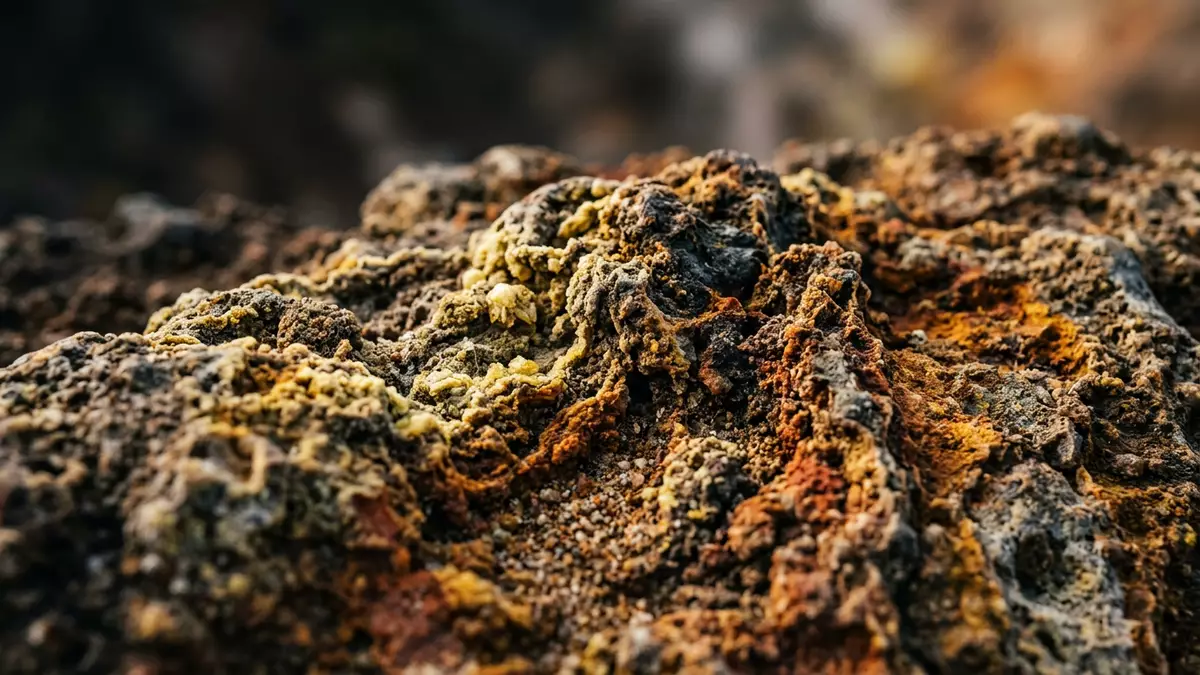
The surface at Sulphur Springs is a mosaic of cracked rock and mineral deposits, coloured by sulphur and other compounds reacting with the geothermal water.Sulphur Springs geothermal field Pools of mud bubble continuously, driven by gas rising through the soft, altered ground, while vents emit columns of steam that drift across the valley. The presence of sulphur is evident in the scent and in patches of yellowish mineral crust that form on the rock surfaces.
A road leads into the geothermal zone, giving rise to the description of Sulphur Springs as a “drive-in volcano”, although the feature visitors see is the geothermal field inside the caldera rather than a towering summit.drive into the geothermal zone Away from the steaming core, facilities have grown up around mineral mud baths where volcanic mud is mixed with naturally warm spring water. Travellers cover themselves in the smooth grey mud before rinsing it off in channels of heated water, bringing the geothermal processes into direct contact with everyday leisure.
Volcanic history and the town of Soufriere
The wider Soufrière Volcanic Centre retains relatively young lava domes and craters, with geological work describing it as potentially active.potentially active volcanic centre Within this system, the Sulphur Springs area marks the hottest and most active geothermal zone in the Lesser Antilles, making it a key site for understanding ongoing heat flow beneath the island.hottest geothermal area in the Lesser Antilles Historical records note a minor volcanic explosion in 1766, regarded as the last recorded eruption linked to this part of Saint Lucia.eruption in 1766
Soufriere, the nearby town whose French name refers to a sulphur mine, sits on the southwest coast within sight of other volcanic landmarks such as the Pitons.near Soufriere on the southwest coast From Soufriere, the route to Sulphur Springs climbs inland into the volcanic valley, where terraces, viewing platforms and paths give structured access to the geothermal ground. The presence of guided tours and interpretive boards reflects the dual identity of the site as both a natural hazard area and an organised visitor attraction.
Visiting Sulphur Springs: what travellers from Western Europe should know
- Sulphur Springs is located inland from the town of Soufriere on the southwest coast of Saint Lucia, within the Qualibou caldera in the Soufrière Volcanic Centre.
- The geothermal area consists of uneven ground, hot surfaces and wet mud; paths, platforms and designated bathing pools concentrate visits into defined areas away from the hottest vents.
- The site lies in the Soufrière District on the western side of Saint Lucia and is reachable by road from other parts of the island, including from areas around Hewanorra International Airport in the south.
- The official language is English and the currency is the Eastern Caribbean dollar.
- Entry requirements depend on your nationality; UK travellers can check the FCDO travel advice at gov.uk/foreign-travel-advice, Irish travellers the Department of Foreign Affairs at ireland.ie.
Searching for Sulphur Springs on social platforms
These links open searches for Sulphur Springs on each platform.Frequently asked questions about Sulphur Springs
Where is Sulphur Springs in Saint Lucia?
Sulphur Springs is located inland from Soufriere on the southwest coast of Saint Lucia, within the Qualibou caldera in the Soufrière Volcanic Centre.
What can visitors expect on a visit to Sulphur Springs?
Visitors encounter steaming fumaroles, bubbling mud pools and altered volcanic rock, with organised access to viewing platforms and mineral mud baths fed by naturally heated spring water.
What makes Sulphur Springs distinctive compared with other sites on the island?
Sulphur Springs combines high-temperature geothermal activity, visible within a compact area of altered rock, with road access into the caldera and structured facilities for bathing in volcanic mud.