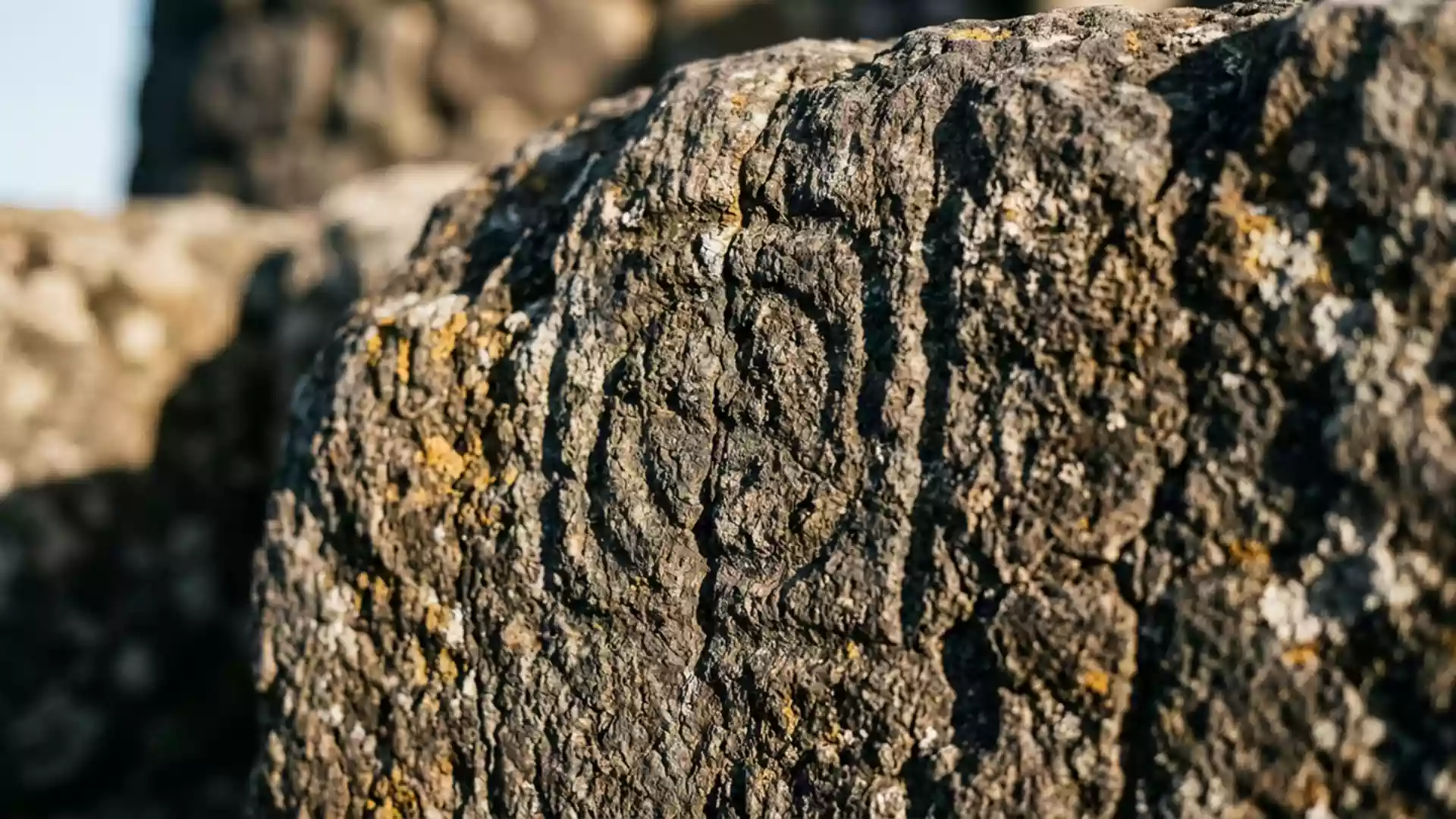
Su Nuraxi in Barumini, a basalt fortress of the Nuragic world
Published on 09/03/2026 at 12:12 | Editorial responsibility: Rafael Müller, Editor-in-Chief AD HOC NEWS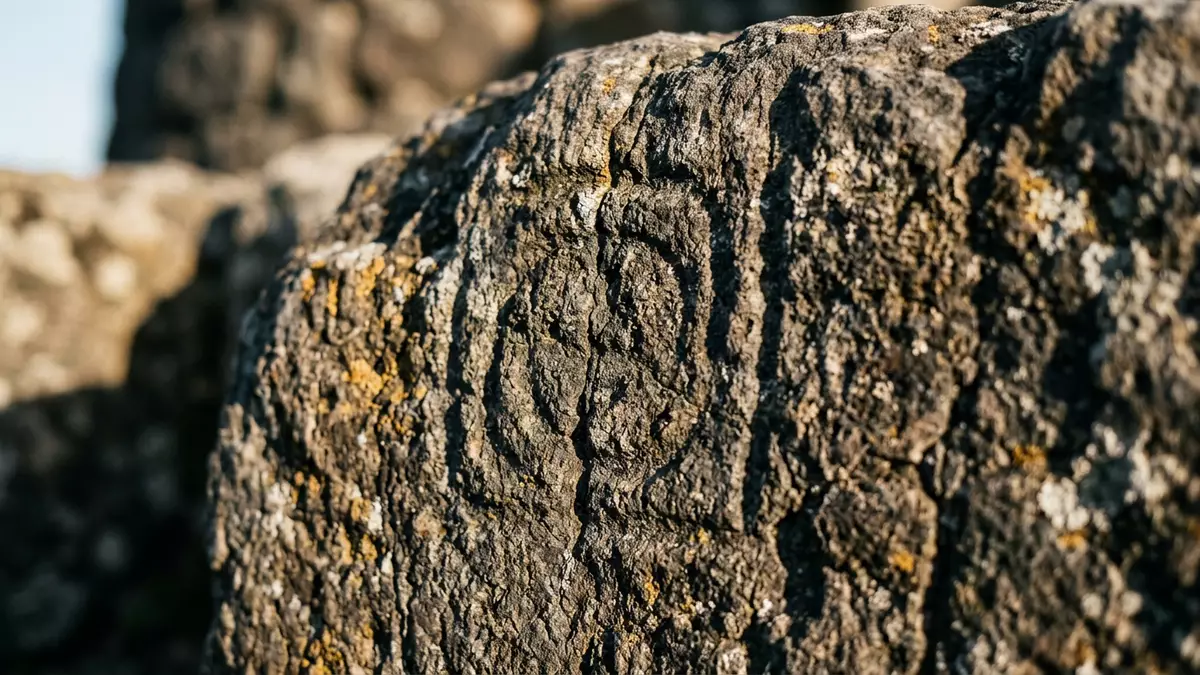
Su Nuraxi near Barumini in Sardinia is a Nuragic archaeological complex built in the Bronze Age, rising from dark basalt blocks above the Marmilla plain. It centres on a massive stone tower surrounded by further towers and a later village, and has been recognised as a UNESCO World Heritage Site since 1997.
Basalt towers of a Bronze Age stronghold
Su Nuraxi is a fortified settlement of the Nuragic civilisation, built on a low hill to the west of Barumini in southern Sardinia. At its heart stands a central nuraghe tower constructed from locally quarried basalt, with internal chambers stacked above one another and linked by an internal staircase.central tower built from basalt Around this core, four basalt corner towers are tied together by a curtain wall, creating an enclosed bastion that forms the most visible part of the complex today.
The towers of Su Nuraxi rise as truncated cones of stone, built with carefully dressed blocks and containing corbel-vaulted chambers inside.truncated-cone towers in dressed stone The inner space of the bastion is organised around a courtyard with a well, giving an idea of how water and movement were structured within the fortress. Basalt blocks, roughly squared and laid without mortar, give the walls a compact, rugged texture, and the contrast between the heavy masonry and the surrounding farmland underlines how deliberately the builders marked out this defensive focus in the landscape.
Layers of construction and settlement
The oldest phase of Su Nuraxi belongs to the Middle Bronze Age, with the main tower dated between the seventeenth and thirteenth centuries BC.seventeenth to thirteenth centuries BC Later builders added the four corner towers and the surrounding bastion, and an outer wall with multiple lobes expanded the defended area during the Iron Age.outer wall with several lobes Outside these stone defences, a village of circular huts developed over time, with evidence for organised spaces and ritual activity across different periods.
The settlement around Su Nuraxi shows occupation from the Middle Bronze Age through the Iron Age, with phases of reuse in the Punic and Roman periods and sporadic activity into the early medieval centuries.occupation from 2nd millennium BCE to 3rd century CE Archaeological excavations begun in the 1950s by Giovanni Lilliu revealed the stratigraphy of the site, uncovering hut foundations, paved areas and small shrines that give a sense of daily life in the Nuragic period.excavated in the 1950s by Giovanni Lilliu Standing among the remains, the visitor can trace how the core fortress is encircled by successive rings of stone dwellings, each phase stitching new structures onto the original plan.
UNESCO recognition and Sardinian context
Su Nuraxi di Barumini was inscribed on the UNESCO World Heritage List in December 1997 as the pre-eminent example of a Nuragic defensive complex in Sardinia.World Heritage listing in 1997 The inscription highlights how the nuraghi of Sardinia represent an exceptional response to Bronze Age political and social conditions, using stone and corbelled construction techniques to create monumental fortresses on an island landscape.pre-eminent example among Sardinian nuraghi Within this wider network of thousands of Nuragic sites, Su Nuraxi stands as one of the most thoroughly studied complexes, offering a clear cross-section through several centuries of building and occupation.
The basalt architecture of Su Nuraxi sits within the gently undulating farmland of the Marmilla region, with the low hill giving long views across central Sardinia.hill west of Barumini Nearby, Casa Zapata in Barumini incorporates Nuragic remains beneath a later residence, forming part of a broader cluster of sites linked to the same civilisation.Casa Zapata of Barumini Together, these places illustrate how Nuragic towers, villages and sanctuaries are woven through the island, with Su Nuraxi offering one of the clearest examples of a fortified centre and its surrounding settlement.
Visiting Su Nuraxi: what travellers from Western Europe should know
- Su Nuraxi lies to the west of Barumini in southern Sardinia, along Viale Su Nuraxi, and is reached over local roads that cross the Marmilla countryside.
- The archaeological area stands on a low hill, and a visit involves walking on uneven basalt surfaces and earth paths between towers and hut remains.
- The official language is Italian and the currency is the euro.
Searching for Su Nuraxi on social platforms
These links open searches for Su Nuraxi on each platform.Frequently asked questions about Su Nuraxi
Where is Su Nuraxi?
Su Nuraxi is an archaeological site on a hill west of Barumini in southern Sardinia, Italy, reached along Viale Su Nuraxi.
What can visitors expect at Su Nuraxi?
Visitors find a central basalt nuraghe tower, surrounding defensive towers, courtyards and the remains of a Nuragic village laid out across the hillside.
What makes Su Nuraxi distinctive among Sardinian sites?
Su Nuraxi combines a well-preserved Nuragic fortress, extensive village remains and a documented sequence of occupation, recognised through its UNESCO World Heritage status.