Stari Grad Dubrovnik and its stone?walled medieval heart
Published on 09/11/2026 at 19:19 | Editorial responsibility: Rafael Müller, Editor-in-Chief AD HOC NEWS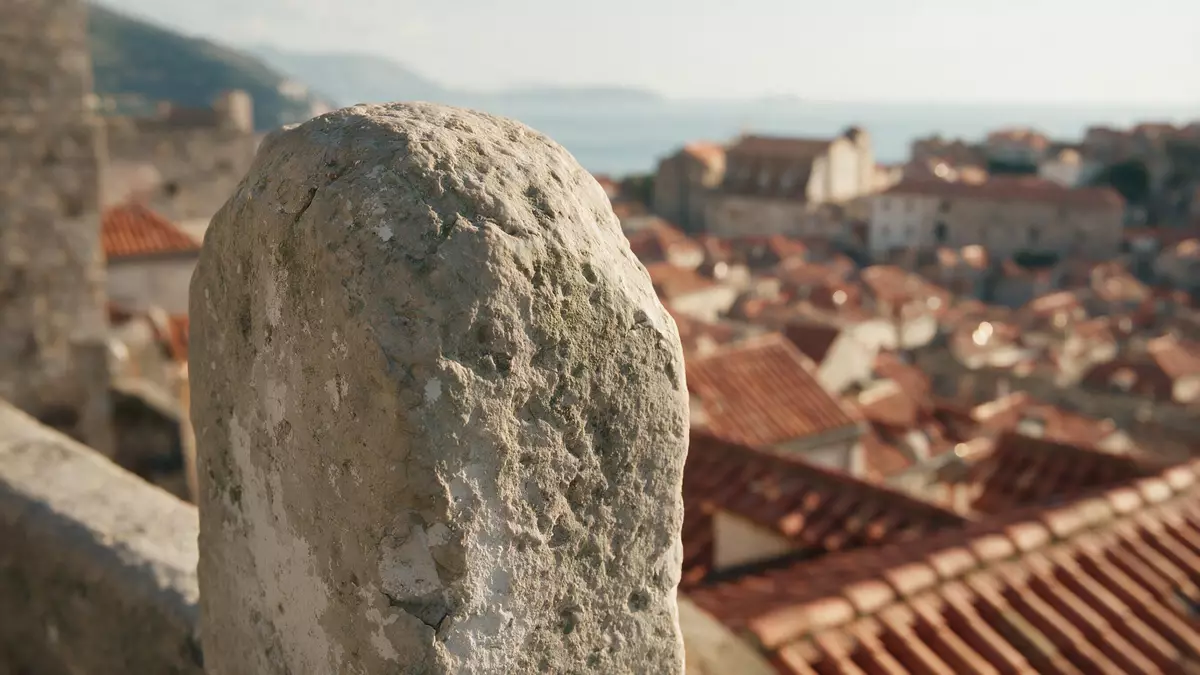
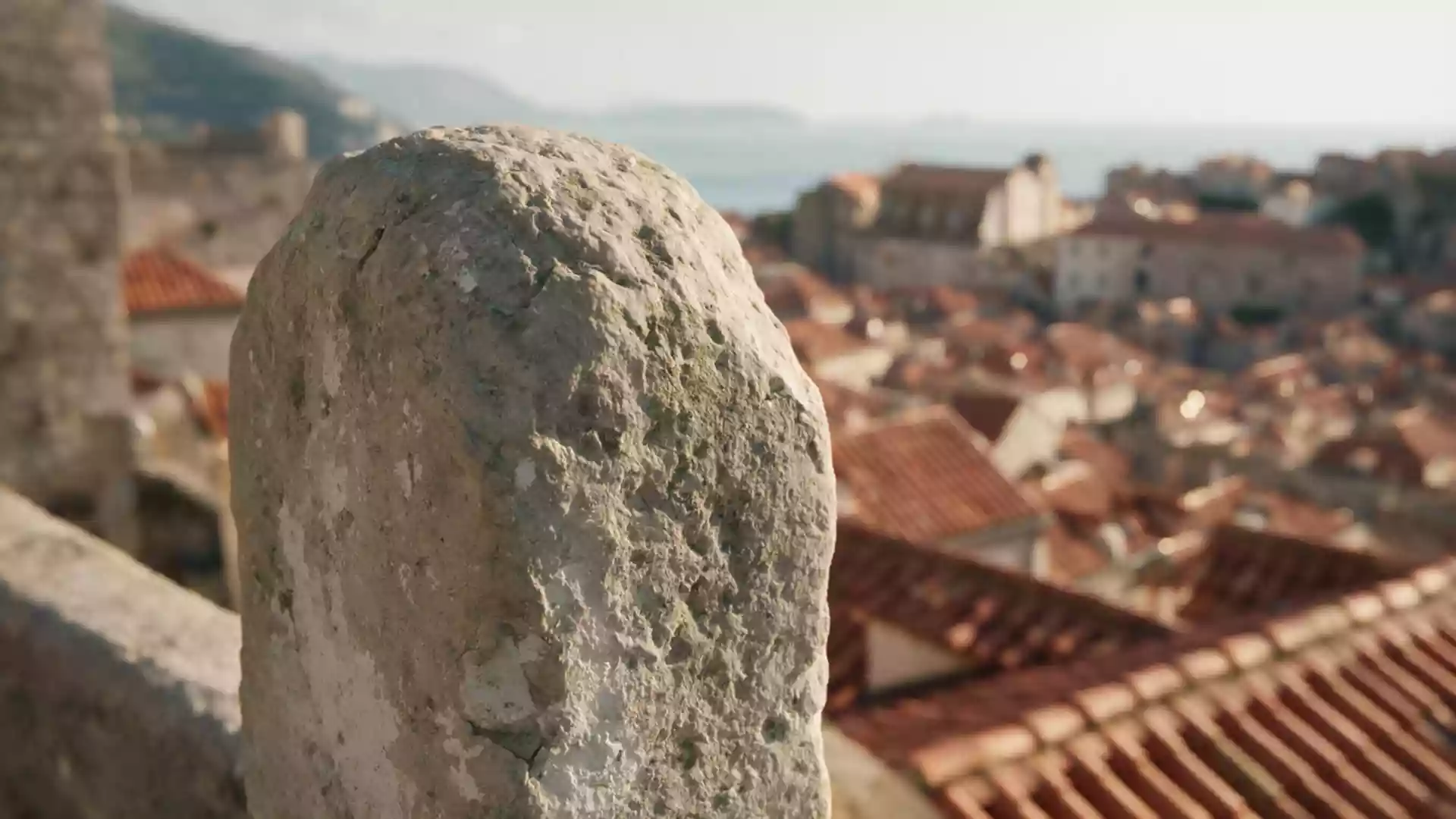
Stari Grad Dubrovnik is the historic old city of Dubrovnik on Croatia’s Adriatic coast, a compact medieval centre enclosed by limestone city walls and paved in pale stone. Within these fortifications, the streets and squares of the former Republic of Ragusa preserve a dense urban fabric from the Middle Ages and later centuries, framed by churches, palaces and civic buildings in stone.
Limestone streets beneath centuries of walls
Walking into Stari Grad Dubrovnik means stepping through one of Dubrovnik’s city gates directly onto pale limestone paving, with the stone underfoot matched by the masonry of facades and monuments around it. The fortifications that encircle this old city evolved over many centuries, with the main phases of construction running from the thirteenth century into the seventeenth century, as the settlement grew and strengthened its defences around the harbour and the adjoining landward side.thirteenth to seventeenth century The result is a continuous line of stone walls that separates the tightly packed houses and lanes of the old city from the sea and the outer districts of Dubrovnik.
These walls form a circuit of about 1,940 m (6,365 ft), with an average height of around 24 m (79 ft), and in places rising to about 25 m (82 ft).1,940 m stone circuit Towards the land they are substantially thicker than on the seaward side, reflecting the different directions from which attack was historically expected.thickness towards land and sea Square forts, towers and bastions project from the main wall, creating a varied profile and providing vantage points over the terracotta roofs of Stari Grad Dubrovnik and the broader coastline.
From Ragusa to UNESCO World Heritage
The old city enclosed by these walls was known in Latin as Ragusium and later as the Republic of Ragusa, an independent maritime state that developed from a fortified settlement on a rocky islet facing the Adriatic.Ragusium and Ragusa Refugees arriving in the seventh century from nearby Epidaurus are recorded as contributing to the growth of this settlement, which evolved into a trading centre with strong diplomatic links around the Mediterranean. Over the following centuries, the city expanded eastwards and northwards, and the harbour and streets were progressively brought within the extended line of walls.growth of the fortified city
Stari Grad Dubrovnik is inscribed on the UNESCO World Heritage List, with the old city’s fabric and fortifications recognised for their historical and architectural significance; the listing dates to 1979, reflecting the global value attached to this medieval Adriatic port.UNESCO World Heritage in 1979 The walls themselves show the layered work of Italian and Croatian builders from the fifteenth and sixteenth centuries, when the Renaissance brought new approaches to fortification and Ragusa reached a commercial “Golden Age”.Renaissance builders and Golden Age Inside, the stone-built streets lead past monasteries, civic buildings and houses that echo this mixture of medieval and Renaissance influences in their details and proportions.
Encircled urban landscape between sea and hills
Seen from the walls or from the sea, Stari Grad Dubrovnik appears as a compact rectangle of roofs and lanes pressed between the Adriatic and the slopes that rise behind the city. The limestone of the walls continues in the paving of the main street and in the blocks used for the fronts of churches, palaces and defensive structures, giving the old city a distinctive pale tone against the blue of the water and the green of nearby hills.limestone streets and facades Within the circuit of walls, narrow side lanes run off wider thoroughfares, some climbing towards higher ground, others dropping towards the harbour, so that short walks can lead from enclosed urban canyons to open views across the sea.
The walls incorporate towers, forts and a main wall built largely of local limestone, with some sections joined to monasteries and other large structures that sit directly against the fortifications.towers and limestone construction Gates pierce the stone circuit at key points, linking Stari Grad Dubrovnik to neighbouring districts and to approaches from land and sea. From within, the presence of the wall is felt in the way streets terminate at masonry and in glimpses of battlements above roofs, while from the parapets there are views of the old city’s regular street grid contrasted with irregular clusters of houses where the terrain has shaped the plan.
Visiting Stari Grad Dubrovnik: what travellers from Western Europe should know
- Stari Grad Dubrovnik lies within the walled historic centre of Dubrovnik on Croatia’s Adriatic coast and is reached on foot from adjoining neighbourhoods and local transport stops.
- The old city is paved largely in stone and includes numerous stairways and sloping lanes; exploring it involves walking on uneven surfaces and climbing steps between different street levels.
- The historic harbour and the seaward stretches of the walls sit beside the Adriatic, with views towards offshore water and, inland, towards higher ground above the city.
- Croatia’s official language is Croatian and the currency is the euro.
Searching for Stari Grad Dubrovnik on social platforms
These links open searches for Stari Grad Dubrovnik on each platform.
Frequently asked questions about Stari Grad Dubrovnik
Where is Stari Grad Dubrovnik located?
Stari Grad Dubrovnik is the old city of Dubrovnik on Croatia’s Adriatic coast, enclosed within historic stone walls that separate it from neighbouring districts and the sea.
What should visitors expect inside the old city?
Visitors encounter stone-paved streets, stairways, historic churches, monasteries and civic buildings, all set within a dense urban layout framed by the surrounding limestone fortifications.
What makes Stari Grad Dubrovnik distinctive?
The combination of a walled medieval port, pale limestone paving and masonry, and a compact urban form recognised by UNESCO as World Heritage gives Stari Grad Dubrovnik a distinctive character among Adriatic towns.