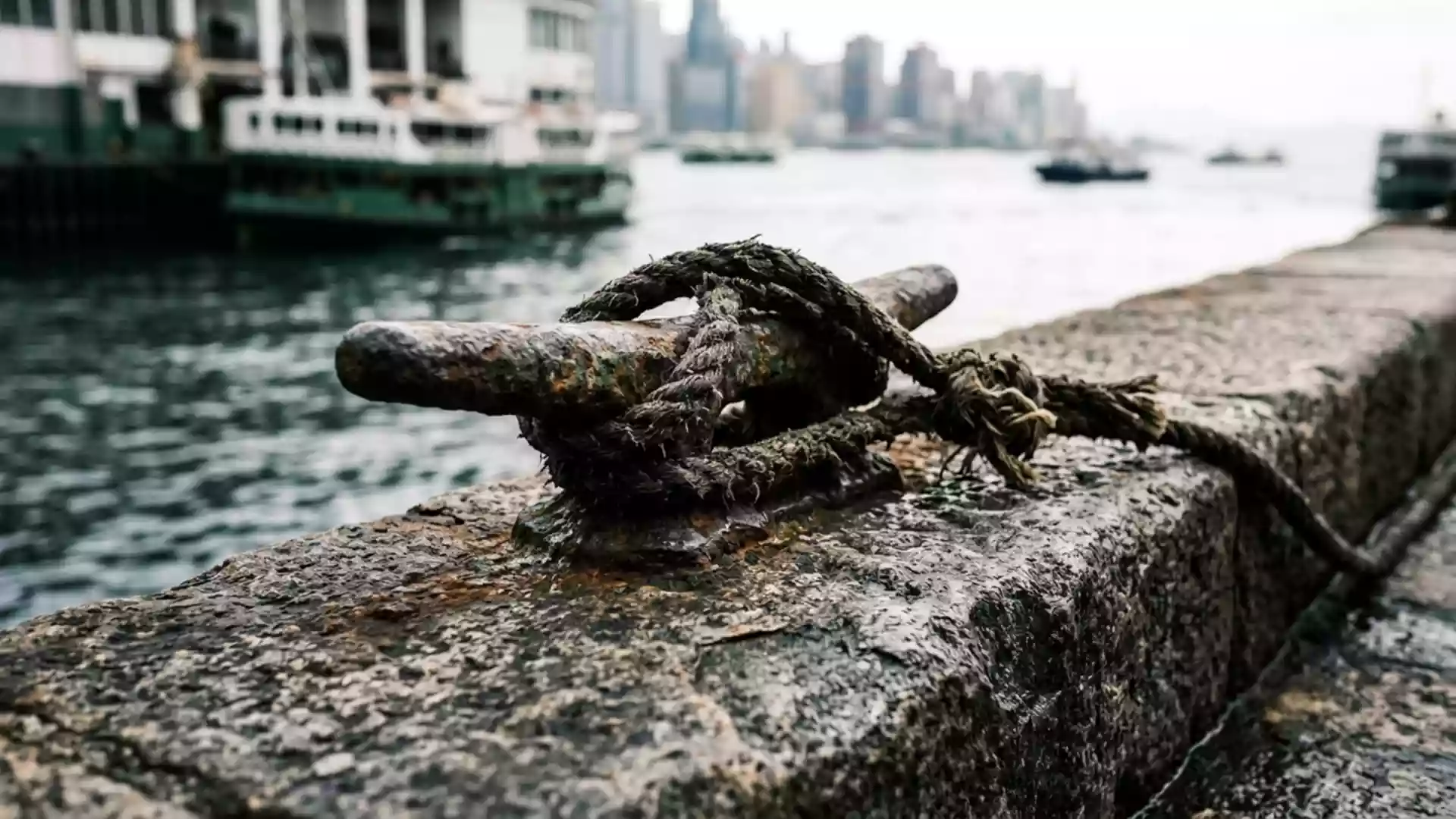
Star Ferry crossing Victoria Harbour in Hongkong
Published on 09/08/2026 at 09:56 | Editorial responsibility: Rafael Müller, Editor-in-Chief AD HOC NEWS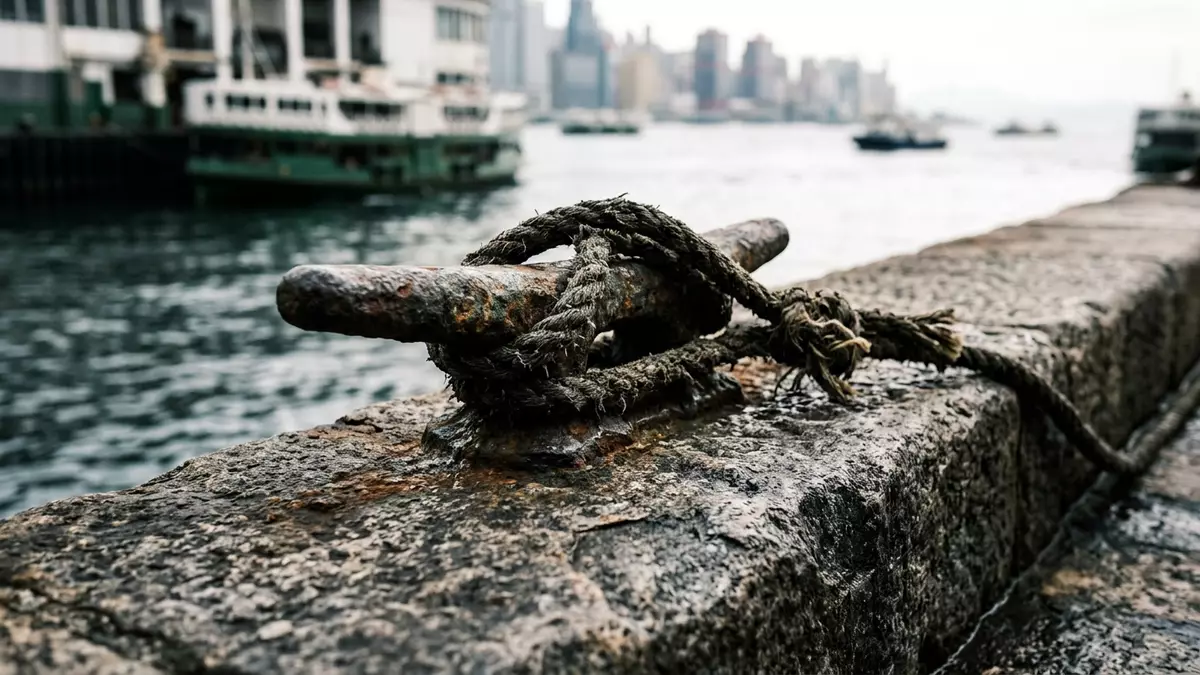
Star Ferry is the cross-harbour ferry service that links Hongkong Island and Kowloon across Victoria Harbour, carrying generations of travellers on short journeys framed by one of Asia’s most distinctive skylines. Its roots lie in the late nineteenth century, when Parsee merchant Dorabjee Naorojee Mithaiwala began regular steam crossings and later founded the Kowloon Ferry Company in 1888, a venture that evolved into the Star Ferry Company in 1898 under businessman Sir Catchick Paul Chater.
A harbour crossing that became a public icon
The core of Star Ferry is deceptively simple: a fleet of double-deck ferries running scheduled crossings across Victoria Harbour between the tip of the Kowloon Peninsula and the commercial districts on Hongkong Island. The service connects piers at Tsim Sha Tsui on the Kowloon side with Central and Wan Chai, turning what would otherwise be a straightforward commute into a direct encounter with the waterway that has long defined Hongkong’s geography.ferry crossings at Victoria Harbour
Star Ferry’s vessels are readily recognised by their two passenger decks and painted hulls, with enclosed cabins offering seating and open areas giving clear views of the harbour. The crossing offers a line of sight to the skyscrapers of Central and the commercial towers lining the Tsim Sha Tsui waterfront, as well as to landmarks such as the Hong Kong Convention and Exhibition Centre and the cultural buildings near the Kowloon pier. The route itself follows a broadly diagonal line across the harbour, and on each journey the boats pass container wharves, moored craft and the moving traffic of other ferries and workboats.
From Kowloon Ferry Company to Star Ferry
Star Ferry’s story begins with Dorabjee Naorojee Mithaiwala, a Parsee cook and merchant who in 1880 started using his steamboat Morning Star to ferry passengers across Victoria Harbour, formalising the effort eight years later as the Kowloon Ferry Company. He expanded the fleet with further vessels bearing “Star” names, including Morning Star and Evening Star, creating a pattern that still shapes the naming of the ferries.Kowloon Ferry Company in 1888 Prior to this organised service, crossings had relied on individually owned sampans, flat-bottomed wooden boats that served as informal harbour taxis.people crossed the harbour in sampans
In May 1898 the operation entered a new phase when Sir Catchick Paul Chater acquired the boats and formed The “Star” Ferry Company Limited, drawing the company’s name from the “Star” theme of the fleet. That year is regarded as the formal beginning of the Star Ferry Company, and the operator marked its centenary in 1998.Star Ferry Company became a public company Through the first half of the twentieth century the service remained a mainstay of harbour transport, with developments such as the 1933 Electric Star, described as the first diesel-electric passenger ferry of its kind in Hongkong, reflecting wider technological change.Electric Star built in 1933
Star Ferry in the fabric of Hongkong
For much of the twentieth century Star Ferry was central to everyday movement between Hongkong Island and Kowloon. Until the opening of the Cross-Harbour Tunnel in 1972, the ferry remained the primary mode of public transport across the harbour, carrying workers, students and visitors between the urban areas on either shore.the service has operated since 1888 The dual-level piers built in the 1950s at Central and Tsim Sha Tsui were designed around this heavy usage, matching the two passenger decks of the ferries and allowing rapid loading and unloading.
Star Ferry’s boats, with their star-themed names and green-and-white livery, have become part of Hongkong’s visual identity, appearing in photographs, film sequences and paintings that feature Victoria Harbour. The view from the upper deck towards the skyline, whether facing Hongkong Island’s bank towers and office blocks or the hotels and cultural buildings of Tsim Sha Tsui, situates the passenger within the harbour rather than on either shore. At the same time, the service retains its role as everyday transport, reflecting how infrastructure and cityscape intersect on the water.
Visiting Star Ferry: what travellers from Western Europe should know
- Star Ferry operates in Hongkong between piers on Hongkong Island and the Kowloon Peninsula, with crossings on Victoria Harbour linking Tsim Sha Tsui with Central and Wan Chai by boat.
- The piers meet ordinary city streets and promenades, and boarding involves walking along harbourfront approaches and up or down short ramps from the shore to the ferry decks.
- Nearby sights include the waterfront promenade and museum district at Tsim Sha Tsui, as well as the commercial streets and office towers around Central Ferry Pier on Hongkong Island.
- The official languages are Chinese and English and the currency is the Hong Kong dollar.
- Entry requirements depend on your nationality; UK travellers can check the FCDO travel advice at gov.uk/foreign-travel-advice, Irish travellers the Department of Foreign Affairs at ireland.ie.
Searching for Star Ferry on social platforms
These links open searches for Star Ferry on each platform.
Frequently asked questions about Star Ferry
Where is Star Ferry based?
Star Ferry operates across Victoria Harbour in Hongkong, running between piers on Hongkong Island such as Central and Wan Chai and the Tsim Sha Tsui pier on the Kowloon Peninsula.
What can travellers expect during a Star Ferry crossing?
Travellers board double-deck ferries with enclosed and open seating areas, taking a short harbour crossing with uninterrupted views of skyscrapers, waterfront promenades and passing vessels on Victoria Harbour.
What makes Star Ferry distinctive in Hongkong?
Star Ferry combines over a century of harbour transport history, dating back to Dorabjee Naorojee Mithaiwala’s 1880s steam crossings, with an enduring role as a practical link between Hongkong Island and Kowloon.