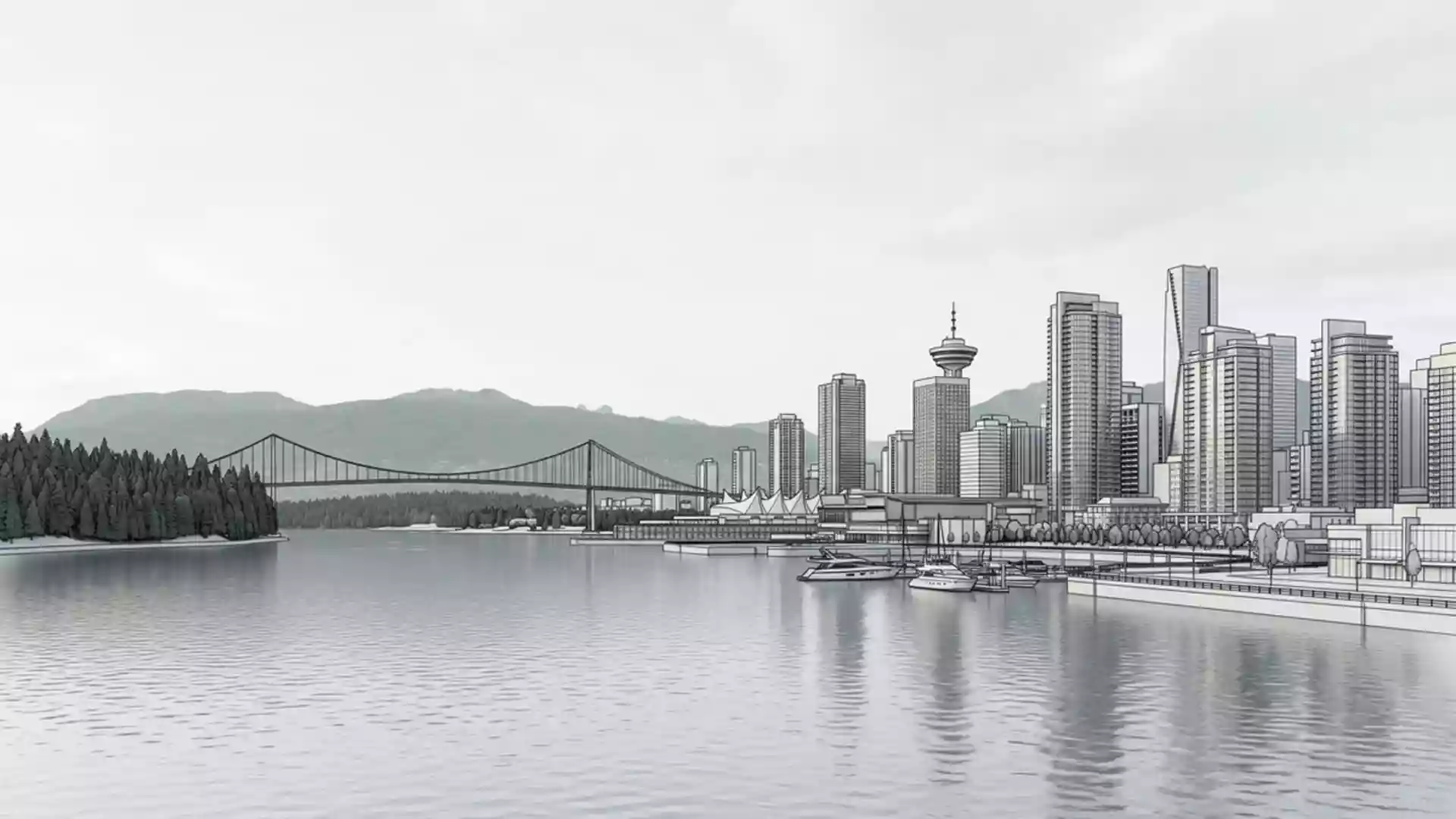
Stanley Park seawall closure continues through 20 November
Published on 11/14/2026 at 19:23 | Editorial responsibility: Rafael Müller, Editor-in-Chief AD HOC NEWSAccess changes through November
- The Vancouver Park Board’s seawall works affect Stanley Park from 26 October 2026.
- Walkers and cyclists use a Beaver Lake diversion between Lumberman’s Arch and Third Beach.
- Stanley Park opened in 1888 and is managed jointly by the Vancouver Park Board and the City of Vancouver.
- Vancouver’s West End provides access by foot, bicycle, public transport or car.
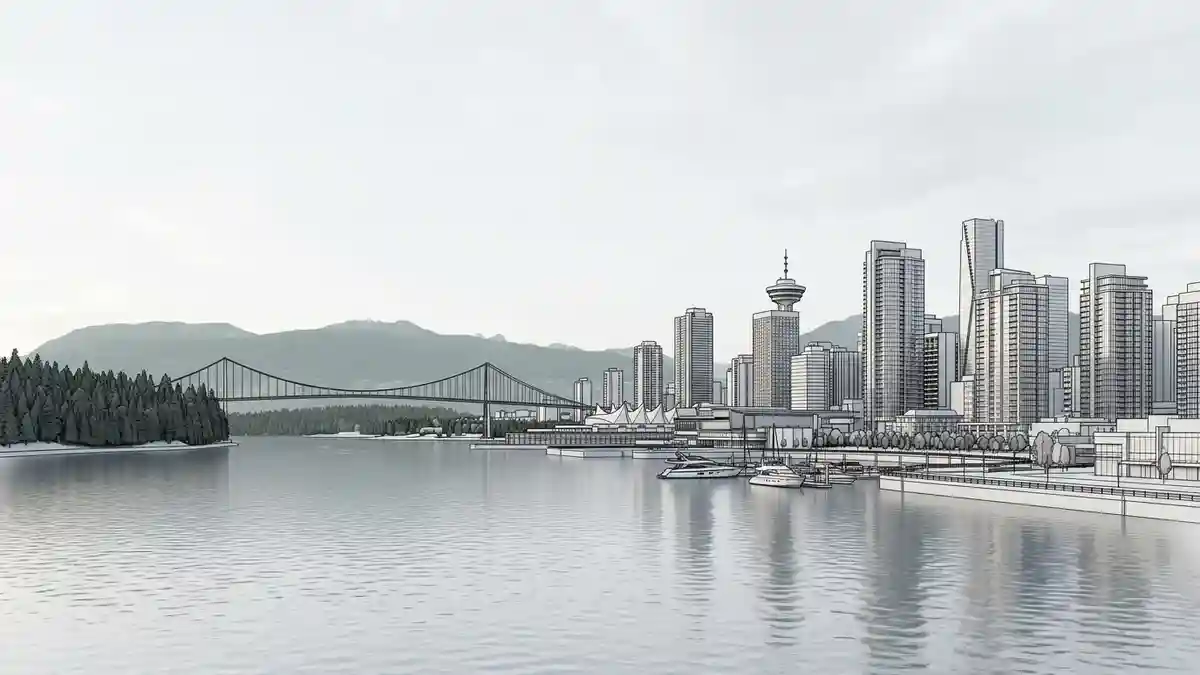
Stanley Park in Vancouver is under a seawall closure through 20 November 2026, as safety and accessibility works affect the route between Lumberman’s Arch and Third Beach. The park remains accessible, but visitors using the waterfront route must follow signed diversions through Beaver Lake.
Seawall closure changes Stanley Park access
The City of Vancouver says the section between Lumberman’s Arch and Third Beach is fully closed until 14 November 2026. Intermittent closures may continue until 20 November 2026, so the restriction remains relevant to visits on the date of publication and during the following days. The city’s notice describes the closure as part of work on the Stanley Park Seawall.
Walkers and cyclists are directed along park trails through Beaver Lake. The works include removing speed gates, also called maze gates, near Lumberman’s Arch, Prospect Point and Third Beach. The route change therefore affects a central waterfront connection rather than a remote facility. The City’s seawall works notice lists both the closure dates and the diversion.
The detour is not simply a change of scenery. The city warns that some park trails have rough terrain and steep grades, making the alternative different from the paved seawall for people using mobility aids, pushchairs or bicycles. Visitors should follow signs at the work areas instead of assuming that the full waterfront loop is available.
Stanley Park’s 1888 opening puts the works in context
Stanley Park opened in 1888, according to the City of Vancouver’s historical account. The Vancouver Park Board and the city work together on the park’s ecology, sustainability and public enjoyment, giving the current works a direct connection to the site’s long-term management.
The park covers about 400 hectares of forested peninsula in downtown Vancouver and is a national historic site of Canada. Its Seawall links beaches, viewpoints and landmarks around the shoreline, while forest trails cross the interior. That contrast explains why the current diversion changes the character of the visit: a route designed for level waterfront movement temporarily leads through an inland landscape. The park’s official history page records the 1888 opening and the role of the Park Board and city.
The closure does not remove the park’s other attractions from the visit. Beaches, trails, gardens, cultural landmarks and the wider waterfront remain part of the place, although individual routes can change as work progresses. The practical issue is to plan around the named section rather than treating the whole park as closed.
Why the Beaver Lake diversion matters for visitors
The timing places the full closure at the end of the autumn travel period, while intermittent restrictions can continue until 20 November 2026. That gives visitors a clear planning point: the Lumberman’s Arch to Third Beach link should not be treated as a guaranteed continuous seawall walk during this period.
The alternative also connects the access question with the park’s physical identity. Stanley Park is both a coastal route and a large forested landscape, so the diversion moves visitors from the level edge into interior terrain. The route can be useful for walkers who are prepared for those conditions, but it should not be described as equivalent to the closed seawall section.
Visiting Stanley Park: what travellers from Western Europe should know
- The seawall section between Lumberman’s Arch and Third Beach is fully closed through 14 November 2026, with intermittent closures possible through 20 November 2026.
- Walkers and cyclists must follow signed diversions through Beaver Lake while the safety and accessibility works affect the route.
- Stanley Park is in Vancouver’s West End, and the City of Vancouver lists walking, cycling, public transport and driving as ways to reach it.
- The Beaver Lake diversion includes forest trails with rough terrain and steep grades, unlike the closed level seawall section.
- Entry requirements depend on your nationality; UK travellers can check the FCDO travel advice at gov.uk/foreign-travel-advice, Irish travellers the Department of Foreign Affairs at ireland.ie.
Searching for Stanley Park on social platforms
These links open searches for Stanley Park on each platform.
Frequently asked questions about Stanley Park
What has changed at Stanley Park?
The seawall between Lumberman’s Arch and Third Beach is fully closed through 14 November 2026, with intermittent closures possible through 20 November 2026.
Where is Stanley Park and how do you get there?
It is in Vancouver’s West End and can be reached on foot, by bicycle, public transport or by car.
When does the seawall closure take place at Stanley Park?
The full closure runs through 14 November 2026, while intermittent restrictions may continue through 20 November 2026.