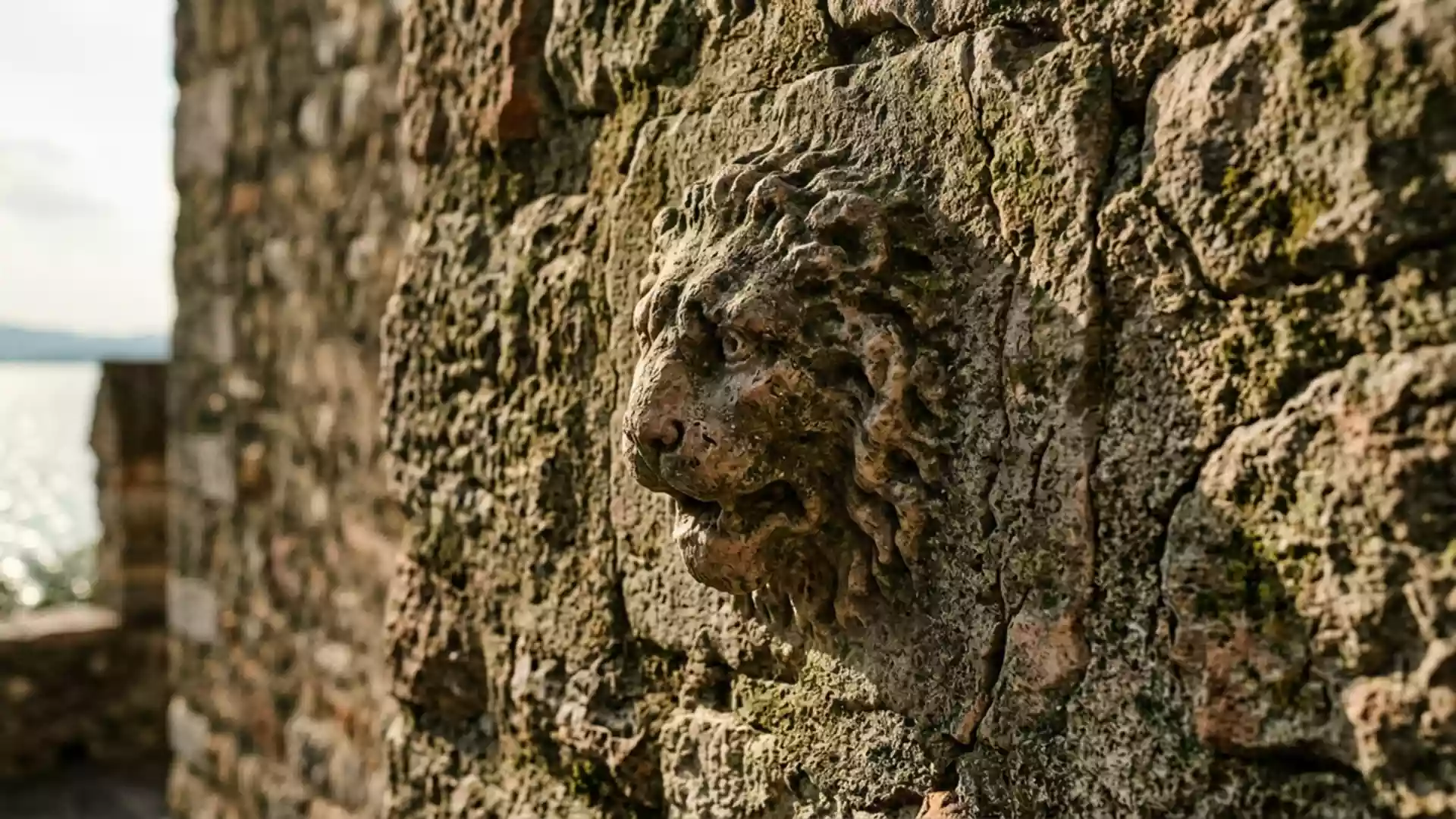
Sirmione: a limestone peninsula on Lake Garda
Published on 08/27/2026 at 17:09 | Editorial responsibility: Rafael Müller, Editor-in-Chief AD HOC NEWS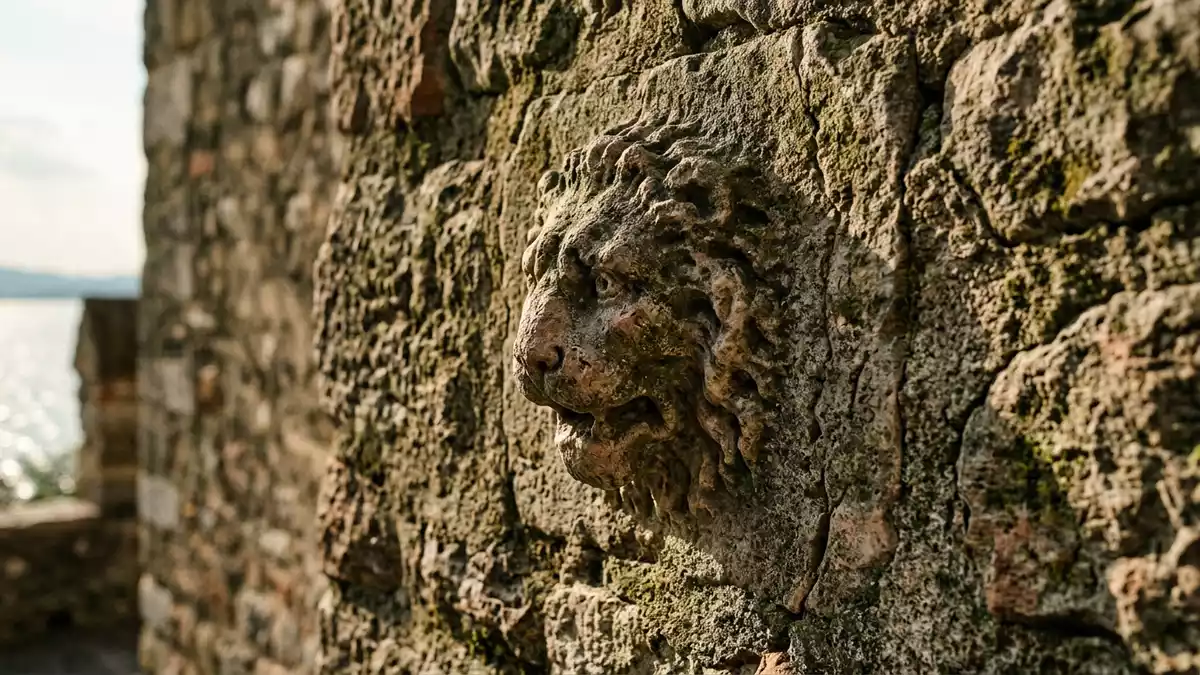
Sirmione is a small town on a narrow limestone peninsula that pushes out into the southern end of Lake Garda in northern Italy, combining medieval fortifications, Roman remains and thermal waters in one compact landscape.narrow limestone peninsula The town’s position between lake and land has shaped its history from Roman times through Lombard rule and the Venetian Republic, and it still reads in layers from ancient villa to castle walls.
A peninsula shaped by lake and limestone
Sirmione occupies a slim strip of limestone that extends into Lake Garda with water on three sides and long views up the lake towards the surrounding mountains.extends into Lake Garda The peninsula reaches several kilometres from the southern shore, separating parts of the lake basin and forming sheltered bays along its edges.Lake Garda's most spectacular peninsula
The ground underfoot is made up largely of pale limestone, shaped into rocky ledges, low cliffs and terraces that meet the clear lake water at different levels.limestone jutting into the lake On the western and eastern shores, small harbours, swimming platforms and lakeside paths sit close to the water, while the central spine of the town rises a little higher, giving streets and squares views across the lake in several directions.
Roman retreat and the Grotte di Catullo
Archaeological evidence indicates human presence on and around the Sirmione peninsula since the Bronze Age, with pile?dwelling settlements recorded in the wider southern lake area.Bronze Age lake-dwelling sites In the Roman period the location became a retreat for the elite linked to nearby Verona, and the poet Catullus praised Sirmio, as he called it, in verses that refer to a villa at the lake.poet Catullus praised the beauties
At the tip of the peninsula stand the extensive ruins known as the Grotte di Catullo, the remains of a large Roman lakeside villa with masonry, rooms and terraces that are dated to the mid?first century BC.structures dating back to the mid-first century BC The complex occupies a broad area above the lake, with fragments of colonnades, internal courtyards and garden spaces that show how the Roman owners integrated architecture with the surrounding landscape.larger villa with gardens and porticos
Fortified town: Lombards, Scaligeri and Venice
During the early Middle Ages Sirmione held a strategic role under Lombard rule as the centre of the judiciaria sermionensis, an administrative district that extended around much of the lake and south towards the plain near Mantua.capital of judiciaria sermionensis Its position on important routes between Verona, Brescia and the Adige valley enhanced its role as a fortified strongpoint on the southern shore.important in Roman road system
In the thirteenth century power over Sirmione passed to the della Scala family of Verona, also known as the Scaligeri, who reinforced the defences and built the castle that still dominates the entrance to the town.Castello Scaligero di Sirmione was built in the late thirteenth century From 1405 Sirmione was incorporated into the domains of the Republic of Venice, remaining under Venetian rule until the end of the eighteenth century, when Habsburg control followed and later the town became part of the Kingdom of Italy in the nineteenth century.Venetian and Habsburg periods
Castello Scaligero and thermal waters
The Castello Scaligero stands at the landward end of the peninsula, guarding the narrow entrance with towers, curtain walls and a moat connected directly to the lake.castle guards the only land entrance Its stone walls enclose courtyards and a harbour basin, with the fabric of the building reflecting successive phases of medieval and later military use.
Within and around the town, thermal waters rise from sulphurous springs that have long contributed to Sirmione’s role as a lakeside resort.sulphurous thermal springs Bath complexes and spa facilities use this water, set among hotels, gardens and lakeside promenades that occupy parts of the peninsula between the castle and the Roman villa.
Visiting Sirmione: what travellers from Western Europe should know
- Sirmione lies in Lombardy at the southern end of Lake Garda, and the peninsula is reached by road connections from nearby towns such as Verona and Brescia.
- The historic centre stands on gently rising ground above the lake, with cobbled streets, short slopes and stone steps leading between the castle, the town and the Roman ruins.
- Lake Garda’s shoreline around Sirmione includes small harbours and swimming platforms, with access on foot along lakeside paths and short approaches over rocky or paved surfaces.
- The official language is Italian and the currency is the euro.
Searching for Sirmione on social platforms
These links open searches for Sirmione on each platform.Frequently asked questions about Sirmione
Where is Sirmione and what kind of place is it?
Sirmione is a town in Lombardy, northern Italy, occupying a narrow peninsula that projects into the southern end of Lake Garda.
What can visitors expect when walking through Sirmione?
Visitors encounter a sequence of castle walls, medieval streets, lakeside promenades and, at the far tip, the open Roman ruins of the Grotte di Catullo above the water.
What makes Sirmione distinctive among Lake Garda towns?
The combination of a long limestone promontory, a thirteenth?century Scaliger castle, extensive Roman villa remains and active thermal springs gives Sirmione its distinctive character.