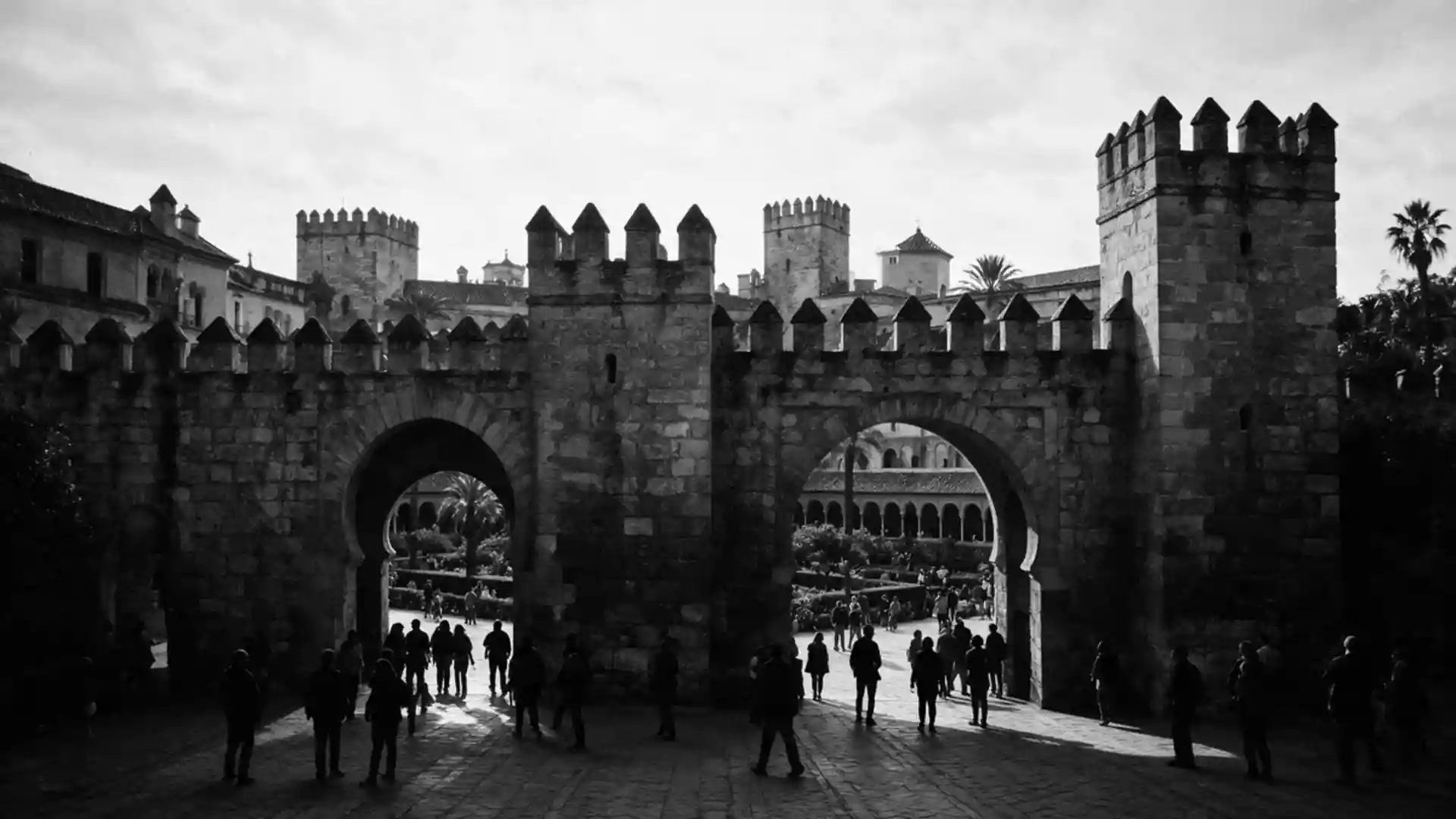
Seville extends restoration at Royal Alcázar on 13 October
Published on 10/24/2026 at 09:44 | Editorial responsibility: Rafael Müller, Editor-in-Chief AD HOC NEWSOctober restoration changes
- Seville City Council expanded work at the Cenador de Carlos V on 13 October 2026.
- The Cenador remains closed while all four roof sections receive structural attention.
- UNESCO inscribed the Alcázar within Seville’s World Heritage complex in 1987.
- Patio de Banderas identifies the visitor entrance in central Seville.
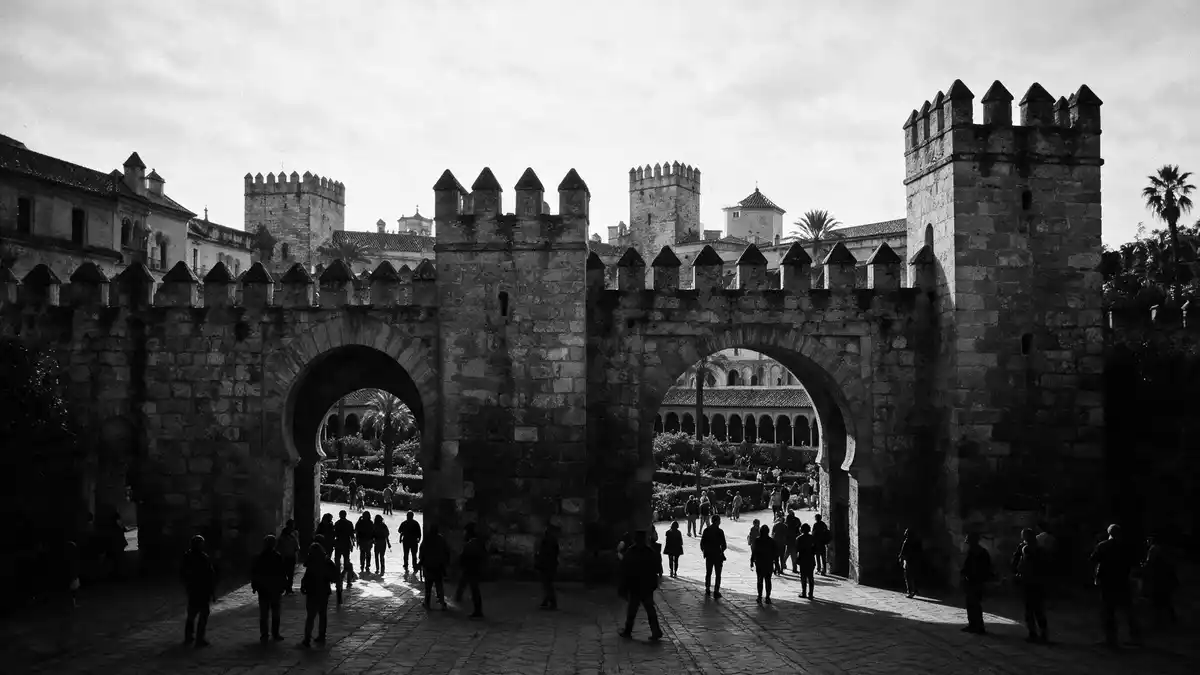
Seville City Council expanded restoration at the Royal Alcázar of Seville (Real Alcázar de Sevilla) on 13 October 2026, extending work on the Cenador de Carlos V across the pavilion’s entire main roof. The change keeps the historic structure closed while the wider intervention addresses structural decay and water protection.
Restoration at the Cenador expands on 13 October
The Cenador de Carlos V is currently the only closed space within the palace complex, according to the October restoration report. The closure follows deterioration discovered during works that began in March 2026, including serious decay in roof beams and the surrounding gallery.
The October modification adds all four sections of the main roof to the intervention. The project budget now stands at 2,190,833.60 euros, an increase of 271,867.60 euros, and irrecoverable elements are to be replaced with robust chestnut timber. The work is led by architect Lola Robador and is being carried out by a joint venture of Conservación y Restauración de Bienes Culturales S.L. and Estudios y Ejecuciones S.A.
For travellers, the practical consequence is specific: the Cenador is not part of the accessible visit while restoration continues, but the report identifies it as the only closed space in the wider complex. The final timetable is not presented as a confirmed reopening date. The report says the works could allow visitors to see the pavilion again around the middle of 2027 if they continue under the latest modification.
Why the roof matters to the Royal Alcázar
The intervention concerns more than a surface repair. Removing the roof sections exposed losses in the cross-section of beams and supporting timbers, caused by water infiltration and insufficient ventilation. The expanded work is intended to improve waterproofing and protect the wooden structure beneath the dome.
The pavilion is a Renaissance structure associated with the 1526 marriage of Emperor Charles V and Isabel of Portugal. The restoration report says the couple is traditionally believed to have spent their wedding night there on 11 March 1526. Its five-century history gives the October decision a direct link to the building’s current appearance: the roof must be opened before the dome and surrounding fabric can be secured.
The wider site brings together several historical periods. UNESCO’s World Heritage record describes the Alcázar as a group of palaces and extensive gardens whose original nucleus was built in the tenth century as the palace of the Muslim governor. The complex also contains Almohad remains, the Mudéjar palace of Pedro I and later Renaissance and Neoclassical additions.
That layered history explains why the roof work affects the meaning of a visit even though it is confined to one pavilion. The closed Cenador is part of the same protected ensemble as the courtyards, gardens and palaces that remain the main focus of a visit.
Visiting Royal Alcázar of Seville: what travellers from Western Europe should know
- The restoration change was announced on 13 October 2026, and the Cenador de Carlos V remains closed during the expanded roof intervention.
- The main consequence is the loss of access to the Cenador, while the October report describes it as the only closed space in the palace complex.
- The site is at Patio de Banderas in central Seville, beside Seville Cathedral and the Archivo de Indias.
- Visitors encounter courtyards, palace rooms and gardens from the tenth century onwards, including Almohad, Mudéjar, Renaissance and Neoclassical fabric.
- Spain’s official language is Spanish and its national currency is the euro.
Searching for Royal Alcázar of Seville on social platforms
These links open searches for Royal Alcázar of Seville on each platform.
Frequently asked questions about Royal Alcázar of Seville
What has changed at Royal Alcázar of Seville?
On 13 October 2026, Seville City Council expanded restoration of the Cenador de Carlos V to include all four sections of its main roof.
Where is Royal Alcázar of Seville and how do you get there?
The complex is at Patio de Banderas in central Seville, beside Seville Cathedral and the Archivo de Indias.
What is Royal Alcázar of Seville?
It is a palace and garden complex whose original nucleus dates to the tenth century and which forms part of Seville’s UNESCO World Heritage site.