
Seongsan Ilchulbong, the sea-facing crater of Jeju
Published on 08/28/2026 at 20:46 | Editorial responsibility: Rafael Müller, Editor-in-Chief AD HOC NEWS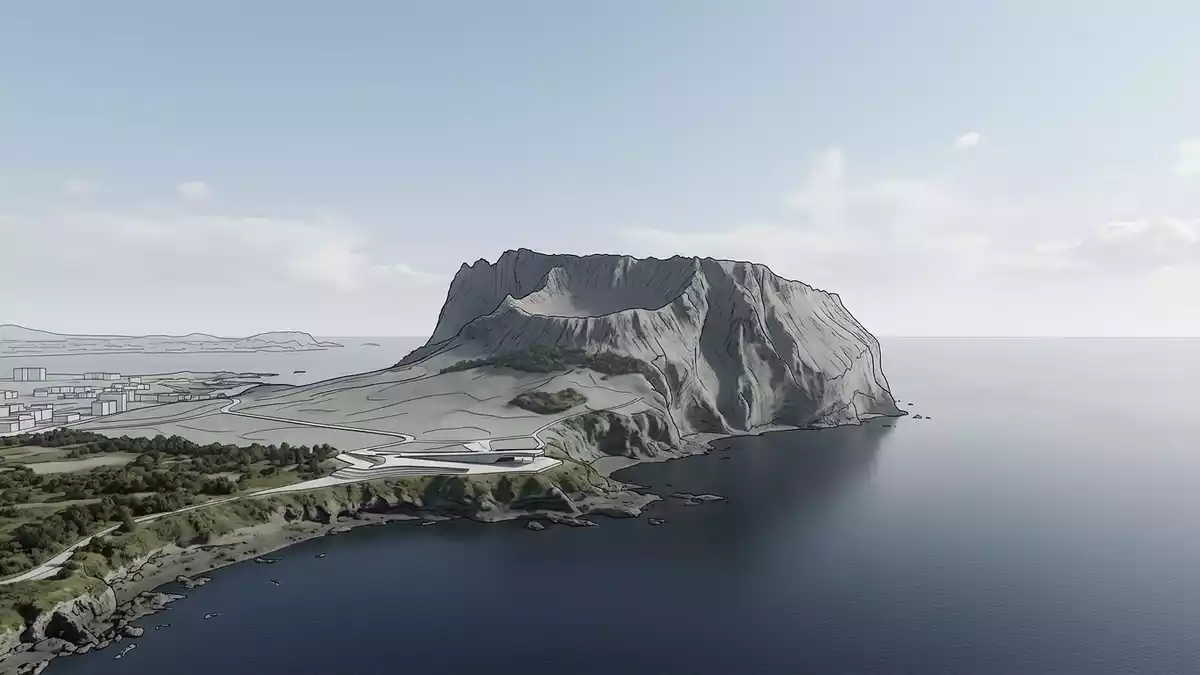
On the eastern tip of Jeju Island in South Korea, Seongsan Ilchulbong — also known in English as Sunrise Peak — rises above the sea as a steep volcanic tuff cone with a broad crater at its summit. Formed by an underwater eruption several thousand years ago and recognised since 2007 as part of the Jeju Volcanic Island and Lava Tubes World Natural Heritage listing, it combines exposed volcanic layers with far-reaching views over the surrounding coast and islands.Jeju Volcanic Island and Lava Tubes
A coastal volcano shaped by the sea
Seongsan Ilchulbong stands on Jeju’s eastern seaboard in Seongsan-eup, projecting into the sea in a form often compared to a fortress-like headland.Seongsan Ilchulbong (Sunrise Peak) Geologically, it is a tuff cone created by a Surtseyan-type eruption — an explosive interaction between rising magma and shallow seawater — that built up layers of ash and fragmented rock around a single vent.Surtseyan-type volcanic eruption description The cone reaches around 180 m (590 ft) above sea level, with slopes that descend directly towards the shoreline on several sides.Seongsan Ilchulbong Tuff Cone height
The summit of Seongsan Ilchulbong is marked by a large bowl-shaped crater measuring roughly 600 m (1,970 ft) across, ringed by ridges and cliffs that reveal cross-sections of the volcanic deposits.Summit crater dimensions Around the base, coastal cliffs and sea-facing slopes expose stratified tuff beds and other layers that specialists cite as an exceptional record of hydrovolcanic activity, making the cone a reference point for understanding this style of eruption.Exceptional geological exposures
UNESCO recognition and Jeju’s volcanic landscape
In 2007 Seongsan Ilchulbong was inscribed on the UNESCO World Heritage List as one of three components of the Jeju Volcanic Island and Lava Tubes property, alongside Hallasan and the Geomunoreum lava tube system.UNESCO inscription in 2007 The wider listing recognises Jeju’s combination of shield volcano, extensive lava tubes and coastal tuff cone formations as a coherent volcanic landscape of international scientific value.Jeju Volcanic Island components
Within this serial property, Seongsan Ilchulbong represents the hydrovolcanic side of Jeju’s geology: a cone built from layers of breccia, lapilli tuff and stratified tuff on the flank of the larger Jeju volcano.Hydroclastic volcanic feature The designation also overlaps with national protection: the cone area was declared a Natural Monument of South Korea in July 2000, reflecting both its scenic profile and the clarity with which its internal structure is exposed in the sea-facing cliffs.Natural Monument status
Walking the trail and viewing the crater
Visitors approach Seongsan Ilchulbong from the landward side, where paths and stairways climb from the low coastal plain up the cone’s flank towards the crater rim.Sunrise Peak trail description The ascent is relatively short in distance but gains significant height in a compact span, with stepped sections that feel like a prolonged staircase rather than a mountain path.
At the top, wooden walkways and viewing platforms follow the edge of the crater, giving clear sightlines across the grassy interior and down to the sea on multiple sides.Summit views On clear days the view extends to Udo Island offshore and along the eastern coastline of Jeju, with the contrast between the steep cone and the relatively flat surrounding plain making the landform’s volcanic origin easy to read in the landscape.Core and buffer area information
Visiting Seongsan Ilchulbong: what travellers from Western Europe should know
- Seongsan Ilchulbong stands on the eastern side of Jeju Island in Seongsan-eup, reached overland from Jeju City or Seogwipo by road and local bus routes.
- The climb from the base to the crater rim follows a constructed path with numerous stairs, demanding a steady ascent rather than technical hiking but involving sustained uphill walking.
- The site lies on a low coastal plain directly beside the sea, so wind exposure on the upper sections can be pronounced compared with sheltered inland trails on Jeju.
- The official language is Korean and the currency is the South Korean won.
- Entry requirements depend on your nationality; UK travellers can check the FCDO travel advice at gov.uk/foreign-travel-advice, Irish travellers the Department of Foreign Affairs at ireland.ie.
Searching for Seongsan Ilchulbong on social platforms
These links open searches for Seongsan Ilchulbong on each platform.
Frequently asked questions about Seongsan Ilchulbong
Where is Seongsan Ilchulbong located?
Seongsan Ilchulbong stands on the eastern tip of Jeju Island in Seongsan-eup, on the coast of South Korea’s Jeju Province.
What should visitors expect on a visit?
Visitors can expect a stepped climb from the coastal plain to the crater rim, exposed volcanic layers in the cliffs and wide views over the sea and nearby islands.
What makes Seongsan Ilchulbong distinctive among Jeju’s sights?
Its combination of a well-preserved summit crater, clear hydrovolcanic layering and recognition as part of the Jeju Volcanic Island and Lava Tubes World Natural Heritage site makes it a distinctive landmark.


