Schloss Schonbrunn and its baroque palace landscape in Wien
Published on 09/15/2026 at 07:35 | Editorial responsibility: Rafael Müller, Editor-in-Chief AD HOC NEWS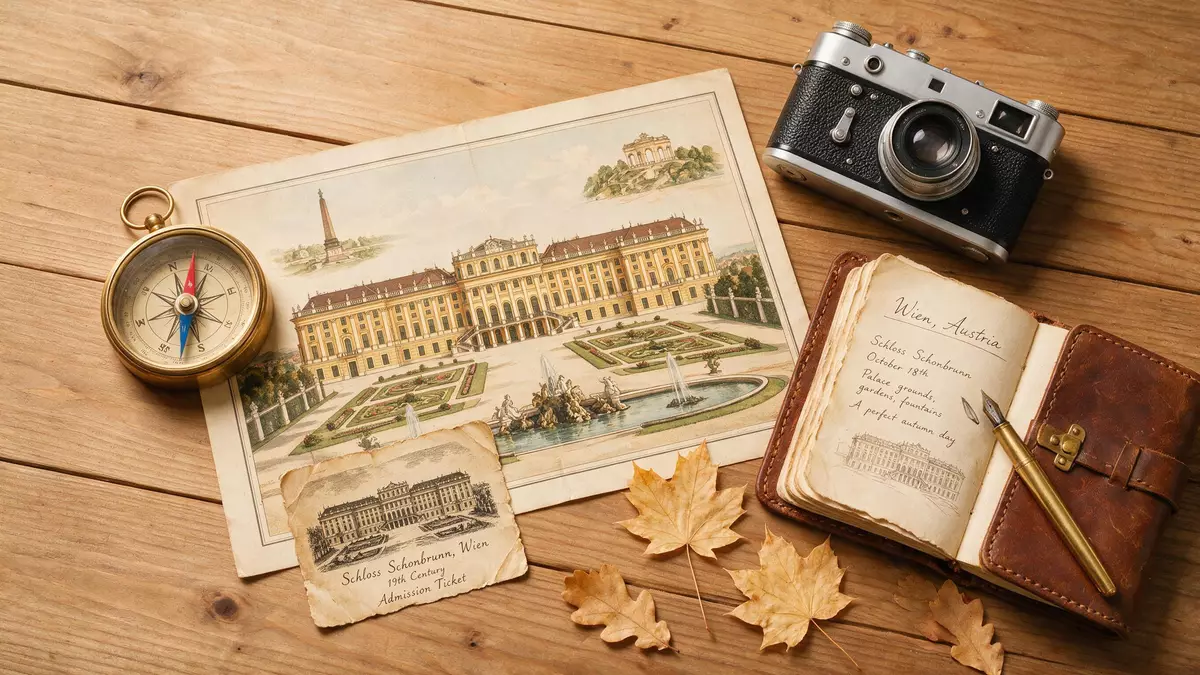
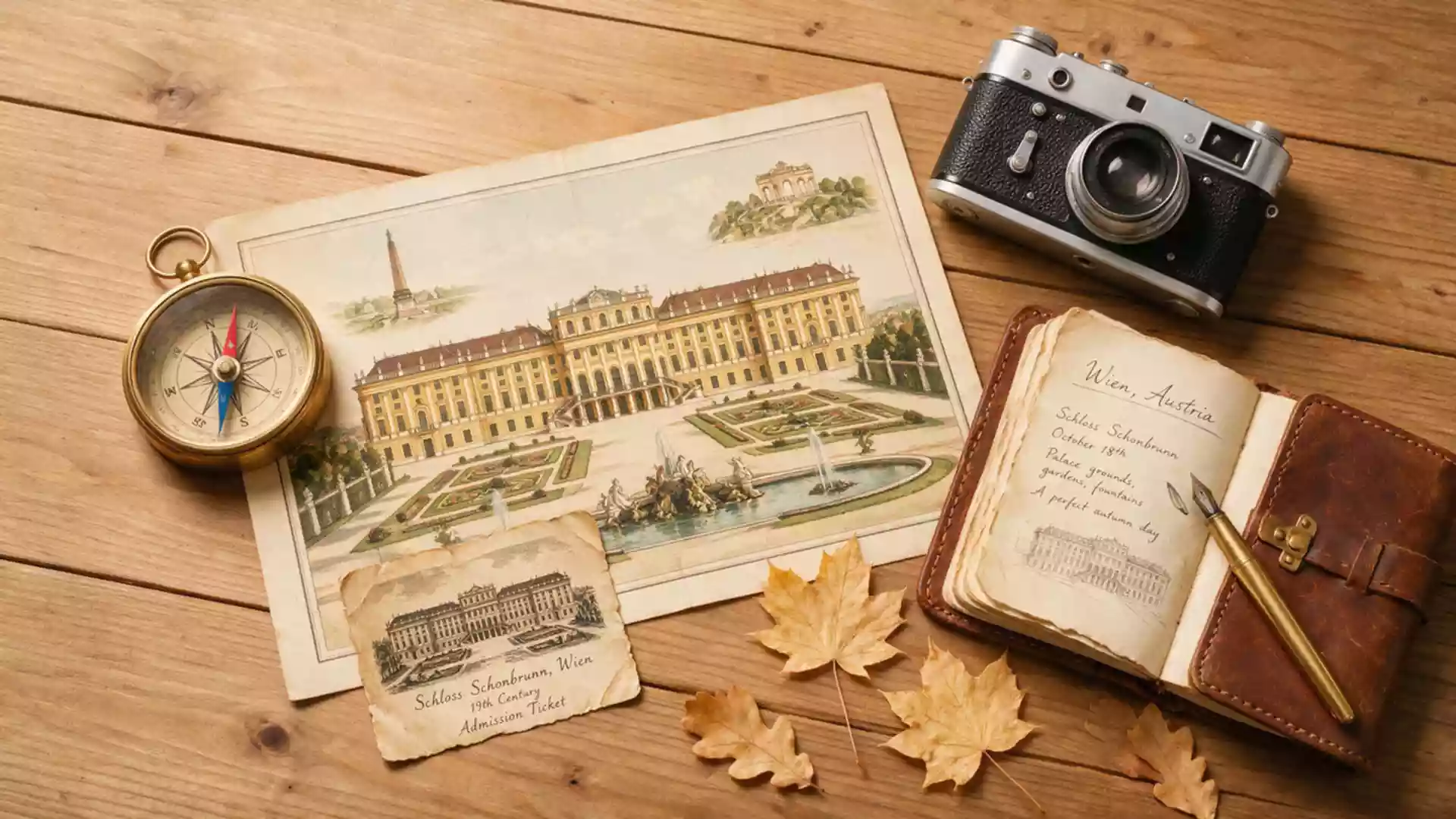
Schloss Schonbrunn in Wien is a former imperial summer residence where a baroque palace and expansive gardens form a continuous landscape of architecture and greenery. Rising in the district of Hietzing on the western side of the city, the estate developed over centuries into a residence closely associated with the Habsburg dynasty and Austrian court life from the eighteenth century onwards.
A Habsburg summer residence shaped over centuries
The roots of Schloss Schonbrunn lie in a Habsburg hunting estate that became court property in the sixteenth century under Emperor Maximilian II, who acquired land, buildings and gardens on the slopes above the Wien river. The estate took its name from a spring linked with a hunting excursion by Emperor Matthias in the early seventeenth century, a “schöner Brunn” that gave rise to the name Schönbrunn and marked the grounds as a rural retreat for the dynasty.Habsburg hunting estate
After destruction associated with the 1683 Ottoman siege of Wien, Emperor Leopold I commissioned architect Johann Bernhard Fischer von Erlach to create a baroque residence on the site for his son, the future Emperor Joseph I. Work in the late seventeenth century established the palace’s baroque character, while later phases under Empress Maria Theresa in the eighteenth century expanded and remodelled the complex into a full imperial summer residence that housed court life, diplomatic audiences and family gatherings during the warmer months.Leopold I’s commissionMaria Theresa’s rebuilding
Baroque palace architecture and Rococo interiors
In its present form, Schloss Schonbrunn is a multi-wing baroque palace whose basic structure dates to work begun under Leopold I and later completed and extended under Maria Theresa in the mid eighteenth century. Fischer von Erlach’s baroque design established the long, axial arrangement and three-wing layout, while the architect Nikolaus Pacassi oversaw alterations that adapted the building to contemporary taste and courtly functions, including the refitting of state rooms in the Rococo style.baroque three-wing layoutPacassi’s alterations
The palace façade, eventually given a neoclassical appearance in the nineteenth century, stretches along a broad forecourt that introduces visitors to the complex as an ensemble rather than a single building. Inside, ceremonial rooms, private apartments and service areas are organised around courtyards, forming a sequence that reflects the hierarchical world of the Habsburg court. Decorative schemes in gilded stucco, patterned timber floors and ceiling paintings survive from the eighteenth century, giving many interiors a Rococo character within a larger baroque framework.neoclassical exterior
Gardens, vistas and a UNESCO-listed ensemble
Behind the palace, the grounds open into formal gardens laid out along a central axis that runs uphill towards prominent garden buildings and viewpoints. Straight paths, clipped hedges and parterre planting create geometric patterns close to the palace, while the wider park extends into groves, lawns and avenues where ornamental features and smaller structures punctuate the landscape. The whole layout links architecture and planted ground into a single baroque ensemble designed for walks, carriage drives and outdoor courtly occasions.Palace and Gardens of Schönbrunn
From the eighteenth century until 1918, Schloss Schonbrunn functioned as one of the principal residences of the Habsburg emperors, and its palace and park have since been recognised as a World Heritage Site under the title “Palace and Gardens of Schönbrunn”. The complex is regarded as one of the best-preserved baroque ensembles in Europe, with architecture, garden design and historical interiors forming a largely intact representation of imperial life at the Austrian court. After the end of the monarchy, ownership passed to the Republic of Austria, and the estate gained new roles while preserving its historic character as a summer residence.baroque ensemble in ViennaWorld Heritage recognition
Visiting Schloss Schonbrunn: what travellers from Western Europe should know
- Schloss Schonbrunn stands in Hietzing on the western side of Wien, and is reached by city public transport that serves stops and stations near the palace grounds.
- The palace complex includes large formal gardens and parkland, with long gravel paths and gentle slopes that can involve extended walking between the main building and outlying features.
- Within the historic building there are staircases and level changes between suites of rooms, so a visit typically involves moving between floors inside the palace.
- The estate lies within the urban fabric of Wien, with residential districts and other cultural sites surrounding the grounds on several sides.
- Austria is a member of the European Union; the official language is German and the currency is the euro.
Searching for Schloss Schonbrunn on social platforms
These links open searches for Schloss Schonbrunn on each platform.
Frequently asked questions about Schloss Schonbrunn
Where is Schloss Schonbrunn located?
Schloss Schonbrunn stands in Hietzing, a district on the western side of Wien in Austria, within the city’s built-up area rather than in open countryside.
What can visitors expect at Schloss Schonbrunn?
A visit centres on a large baroque palace with Rococo interiors and extensive formal gardens and parkland, where architecture and designed landscape create a single historic ensemble.
What makes Schloss Schonbrunn distinctive among European palaces?
The combination of a Habsburg summer residence, largely intact eighteenth-century interiors and a formally laid out baroque park recognised as a World Heritage Site gives Schloss Schonbrunn a distinctive position among European palace complexes.