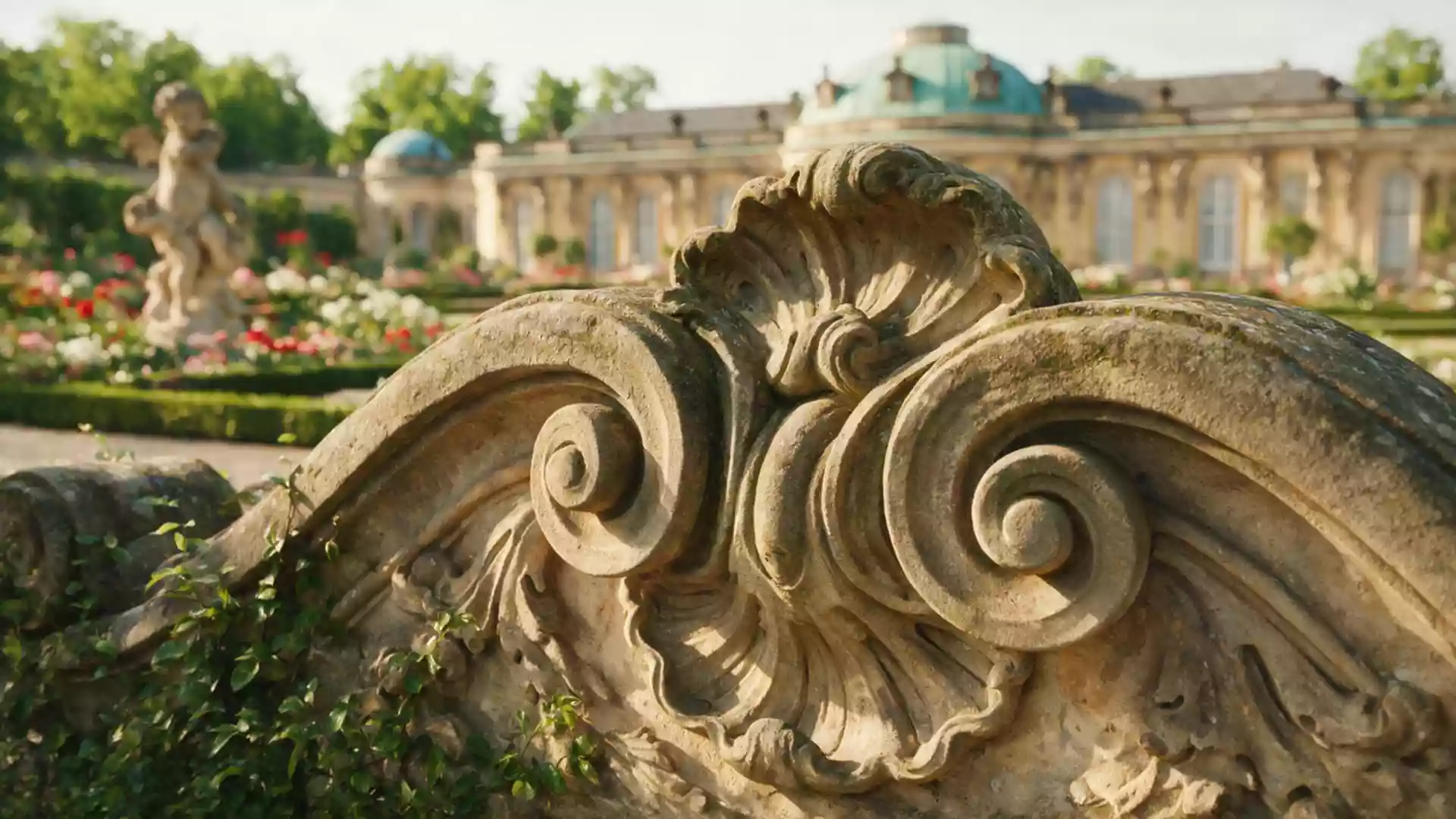
Schloss Sanssouci and its terraced vineyard palace in Potsdam
Published on 09/14/2026 at 21:00 | Editorial responsibility: Rafael Müller, Editor-in-Chief AD HOC NEWS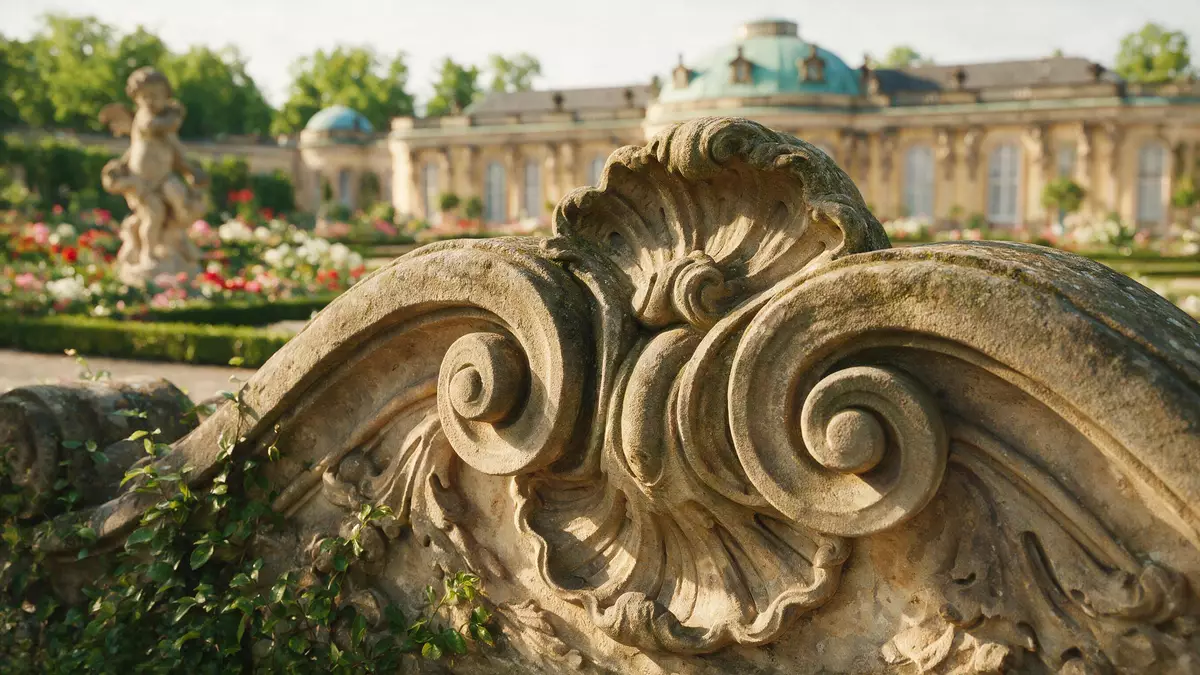
In Potsdam, west of Berlin, Schloss Sanssouci is a compact Rococo summer palace raised above a hillside of terraced vineyards, conceived in the eighteenth century for Frederick the Great as a personal residence rather than a grand court complex.Potsdam, Germany and the surrounding park later formed part of a palatial ensemble recognised for its landscaped setting and architecture.the surrounding 290-hectare park
Terraced vineyards and a hillside palace
Schloss Sanssouci stands on a low rise on the northern edge of Potsdam, directly above a series of vineyard terraces cut into the slope in the mid-eighteenth century.terraced vineyard hill The name derives from the French “sans souci”, meaning “without worry”, a phrase chosen to signal the relaxed character of the retreat.from French sans souci The palace occupies the uppermost level of these terraces, so that the main frontage looks down over the balustrades, planting and glazed niches of the vineyard and then across the wider park.
The terraces are laid out in a straight axial arrangement, with broad flights of steps rising between planted bays towards the palace. Each level carries vines and ornamental shrubs, with the retaining walls punctured by alcoves that once sheltered fig trees and other plants needing protection. This structure gives the palace a clear relationship to the land: the vineyard appears as an integral component of the approach, turning the ascent from the park into a sequence of garden rooms before reaching the main entrance. From the top terrace the view runs along the alignment of the steps back towards fountains and avenues in the wider park.
Frederick the Great’s Rococo summer residence
Schloss Sanssouci was built between 1745 and 1747 for Frederick II of Prussia, better known as Frederick the Great, who had sketched ideas for a small summer residence away from the formal royal palaces in Berlin.built 1745–1747 The architect Georg Wenzeslaus von Knobelsdorff developed those sketches into a coherent design, with the palace forming the architectural focus of the surrounding park.designs by Georg Wenzeslaus von Knobelsdorff Unlike larger multi-storey residences of the time, Sanssouci is largely single-storey, emphasising a more domestic scale and a close link between interior rooms and the garden outside.
The architectural style belongs to the Rococo movement, with stucco ornament, scrollwork and playful sculptural details decorating the façades and interiors.French and Italian Rococo styles Inside, the sequence of rooms includes spaces such as the Marble Hall, used for music and gatherings, and more intimate chambers reflecting Frederick’s interests. The palace’s compact plan and decorative vocabulary together make it an example of eighteenth-century Prussian Rococo adapted to a personal retreat. Later rulers extended the ensemble with new buildings elsewhere in the park, but the core of Sanssouci remains the original mid-eighteenth-century structure.
Park Sanssouci and the World Heritage landscape
The palace forms only one part of Park Sanssouci, a broad landscape of avenues, ornamental structures and further royal residences spread across several hundred hectares in and around Potsdam.palace and park ensemble Paths lead from Schloss Sanssouci towards features such as the Neues Palais and other follies, with long sightlines connecting garden compositions and water features. In 1990 the palace and its surrounding complexes were inscribed on the UNESCO World Heritage List as an example of the integration of architecture and landscape in an absolutist court context.UNESCO inscription in 1990
The park terrain is varied, ranging from formal parterres and straight tree-lined avenues to more wooded sections. Around the palace itself the ground rises and falls gently, with the vineyard terraces forming the most pronounced change of level. Water features such as the Große Fontäne create focal points further down the axis, linking the palace visually to the lower parts of the park. Over the nineteenth century, additional plantings and monuments enriched the grounds, but the relationship between the terraced hillside, the Rococo summer palace and the wider landscape has remained central to the character of Sanssouci.
Visiting Schloss Sanssouci: what travellers from Western Europe should know
- Schloss Sanssouci stands in Park Sanssouci on the northern side of Potsdam, reached from Berlin and other Western European cities by rail services to Potsdam and local buses or trams from the main station.
- The palace itself sits above a series of vineyard terraces with broad exterior staircases; visiting the exterior involves climbing these steps or approaching along sloping paths through the park.
- The grounds extend across a large landscaped park, so exploring the area around Schloss Sanssouci requires walking longer distances on varied terrain that includes gravel paths, lawns and paved routes.
- The official language is German and the currency is the euro.
Searching for Schloss Sanssouci on social platforms
These links open searches for Schloss Sanssouci on each platform.Frequently asked questions about Schloss Sanssouci
Where is Schloss Sanssouci located?
Schloss Sanssouci is in Potsdam in eastern Germany, set within Park Sanssouci on a hillside above vineyard terraces and garden avenues.
What can visitors expect on a visit to Schloss Sanssouci?
Visitors encounter an eighteenth-century Rococo summer palace of modest scale, vineyards climbing the slope below it and an extensive landscaped park with further royal buildings.
What makes Schloss Sanssouci distinctive among European palaces?
Its combination of a single-storey Rococo palace, terraced vineyards and a broad park landscape, closely tied to Frederick the Great’s mid-eighteenth-century summer residence, gives Sanssouci a particular character.