
Scalinata di Trinita dei Monti, the baroque stairway between church and piazza
Published on 08/31/2026 at 06:20 | Editorial responsibility: Rafael Müller, Editor-in-Chief AD HOC NEWS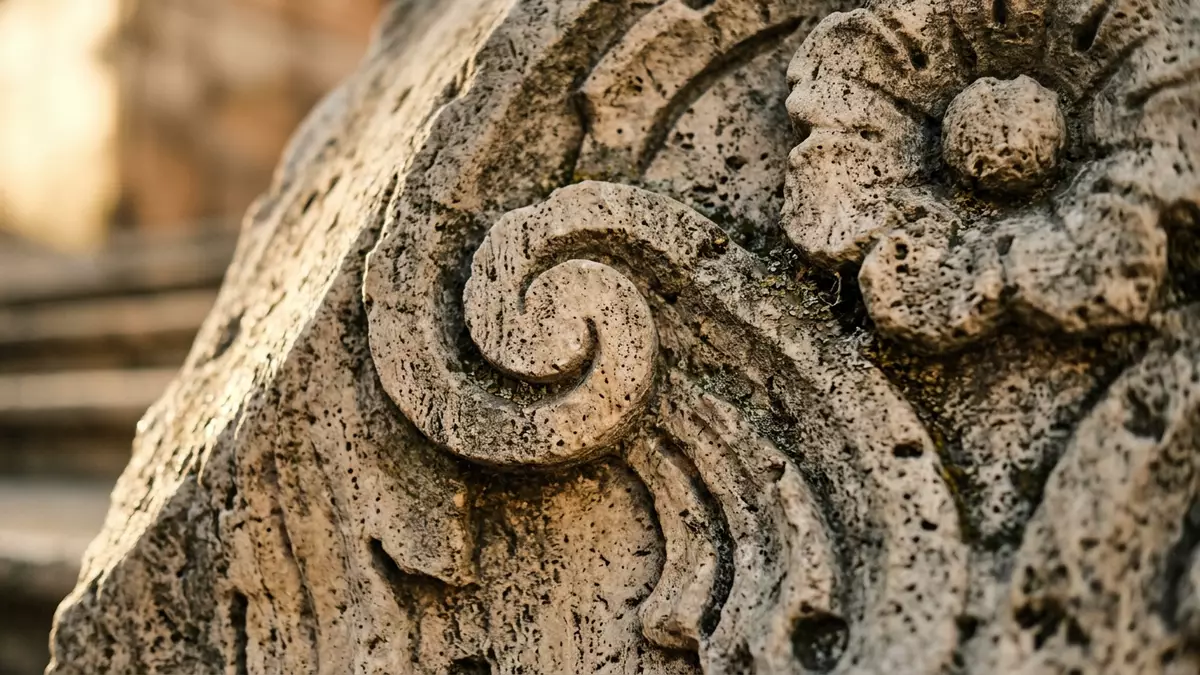
Scalinata di Trinita dei Monti in Rom, better known in English as the Spanish Steps, turns a steep hillside between Piazza di Spagna and the church of Trinita dei Monti into a broad baroque stairway of travertine stone. Built in the first half of the eighteenth century, it links the square at the foot of the Pincio hill with the church terraces above and has become one of the city’s most recognisable urban compositions.
A baroque solution to a Roman hillside
The Scalinata di Trinita dei Monti was constructed between 1723 and 1726 as a grand staircase connecting Piazza di Spagna with the church of Trinita dei Monti on the hillside above.constructed between 1723 and 1726 The main designer was the Roman architect Francesco De Sanctis, whose winning project answered a long-standing desire to formalise the steep slope between the lower square and the hilltop church.Roman architect Francesco De Sanctis The stairway belongs to the Roman baroque tradition, using curves, landings and changes of direction to turn a difficult gradient into a theatrical route.
At the lower end the steps open onto Piazza di Spagna, named for the historical presence of the Spanish Embassy to the Holy See, while the upper terraces align with the façade of the sixteenth-century church of Trinita dei Monti.Piazza di Spagna and Trinita dei Monti In elevation the staircase negotiates a vertical difference of a little over 20 m (around 70 ft) between the square and the church forecourt.vertical difference of 23 m This shift in level underpins the whole composition: what could have been a narrow path becomes a broad, multi-part flight of steps that acts as an urban belvedere.
Travertine, terraces and step patterns
The staircase is built in pale travertine, a porous limestone long quarried near Rome and used throughout the city’s architecture.steps of travertino It is not a single straight descent but a sequence of ramps, terraces and changes in width that create varied vantage points over the piazza and towards the surrounding streets. Sources count around 135 to 136 individual steps, grouped into several flights arranged in more than ten sections with small resting platforms between them.succession of ramps The repetition of shallow risers makes the climb feel more like walking up a gently sloping street than negotiating a single staircase.
In plan the stairway spreads out broadly above Piazza di Spagna and then narrows towards the centre, where ramps climb towards the upper square in front of the church. Along the way, low stone balustrades and small landings offer places to pause and look out towards via Condotti, the piazza and the urban fabric of central Rome. Decorative details include carved stone bollards bearing symbols associated with France and with Pope Innocent XIII, recalling both the French patronage of Trinita dei Monti and the papal involvement in the staircase project.symbols of France and Innocent XIII
Between fountain, church and city streets
Scalinata di Trinita dei Monti sits at the meeting point of several well-known elements of central Rome. At its foot lies Piazza di Spagna, a wide urban space with the Baroque Fontana della Barcaccia slightly off-centre, while at its top the staircase reaches the small square in front of Trinita dei Monti, a church with a twin-towered façade on the Pincio hill.connects the church and Piazza di Spagna From the upper landings views open across the rooftops of central Rome, and nearby paths continue towards the Pincio gardens and the Villa Medici.
The stairway also connects with the surrounding street network. Via dei Condotti, one of Rome’s historic shopping streets, enters Piazza di Spagna opposite the lower flights of steps, while streets such as via Sistina reach the hilltop near the church, providing alternative routes that avoid the stairway itself.via Sistina and Viale della Trinita dei Monti This interplay between broad stone stairs, piazza, fountain and surrounding streets makes the site a good example of how Roman urban design integrates architecture with topography.
Visiting Scalinata di Trinita dei Monti: what travellers from Western Europe should know
- Scalinata di Trinita dei Monti lies in central Rom, linking Piazza di Spagna with the square in front of the church of Trinita dei Monti on the slope of the Pincio hill.
- The stairway consists of long flights of steps in travertine stone and several terraces; climbing between piazza and church involves ascending many shallow steps without a lift or escalator.
- Metro line A serves the area, with the station Spagna opening close to Piazza di Spagna near the lower end of the staircase.
- The terrain around the upper landings connects with paths towards the Pincio gardens and nearby streets such as via Sistina, offering step-free approaches to the hilltop area.
- Italy’s official language is Italian and the currency is the euro.
Searching for Scalinata di Trinita dei Monti on social platforms
These links open searches for Scalinata di Trinita dei Monti on each platform.
Frequently asked questions about Scalinata di Trinita dei Monti
Where is Scalinata di Trinita dei Monti located in Rom?
Scalinata di Trinita dei Monti stands in central Rom, linking Piazza di Spagna at the foot of the Pincio hill with the square in front of the church of Trinita dei Monti above.
What can visitors expect when climbing the staircase?
Visitors follow broad travertine steps arranged in multiple ramps and terraces, with views over Piazza di Spagna, the Fontana della Barcaccia and the rooftops of central Rome as they ascend.
What makes Scalinata di Trinita dei Monti distinctive among Rom’s stairways?
Its eighteenth-century baroque design by Francesco De Sanctis, use of pale travertine and role in connecting piazza, fountain and hilltop church give the staircase a distinctive character among Rom’s historic routes.


