
Scalinata di Trinita dei Monti and Rome’s grand stair
Published on 09/10/2026 at 11:40 | Editorial responsibility: Rafael Müller, Editor-in-Chief AD HOC NEWS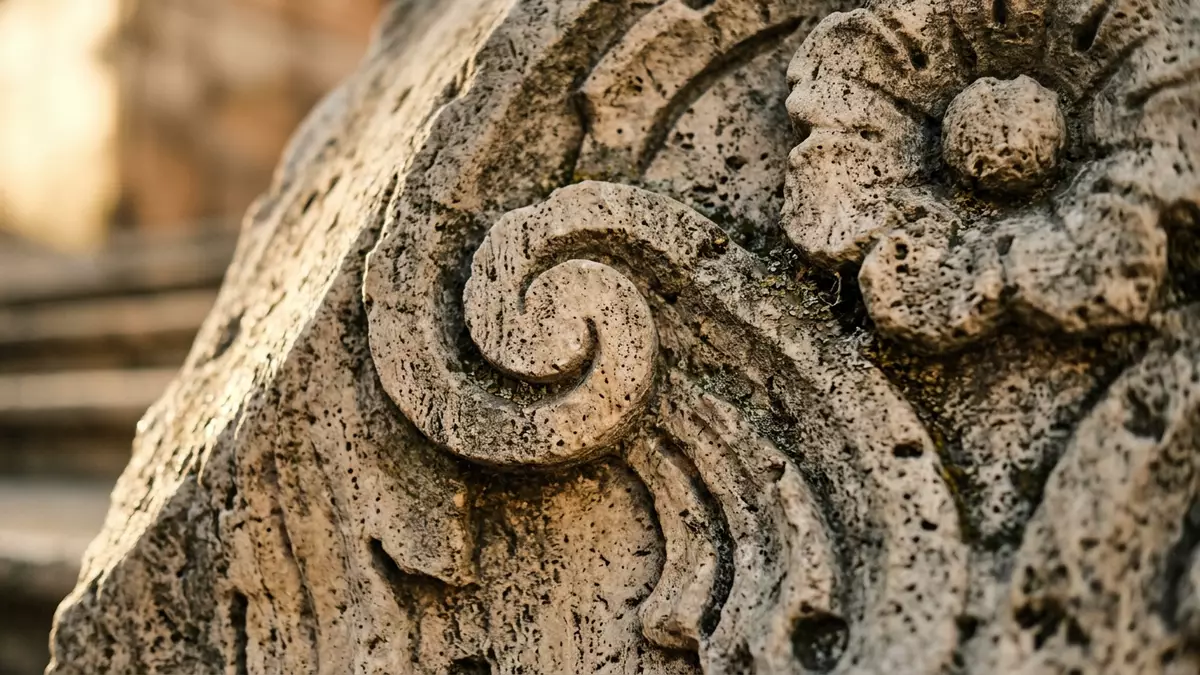
Scalinata di Trinita dei Monti is the broad stone stairway that rises from Piazza di Spagna to the church above in Rom. It is closely tied to the name of Francesco de Sanctis and to the eighteenth century, and its long flight turns that slope into a visible route.
A stone stair between square and church
The stairway climbs the hillside in a series of landings and flights, with the church of Trinità dei Monti above and the piazza below. Its form is part urban passage, part architectural stage, and the whole composition belongs to the Baroque city of Rom.Piazza di Spagna
Britannica identifies the stairway as the Spanish Steps, gives its Italian name as Scalinata di Trinità dei Monti, and places it in Rome’s Piazza di Spagna. The same source records 135 steps and a building period between 1723 and 1725, which fixes the staircase in the early eighteenth century.135 steps
Francesco de Sanctis and the eighteenth century
Francesco de Sanctis is the name most closely attached to the staircase, and Alessandro Specchi is also named in standard accounts of the design. That combination places the stairway within the world of Roman Baroque architecture, where urban stairs and formal facades often work together as a single composition.
The stairway belongs to a long history of shaping the steep link between the piazza and the church terrace. The surviving structure remains a large public stair rather than a façade or a bridge, with wide treads, broad landings and a measured climb that marks the change in ground level.Francesco de Sanctis
Urban setting in Rom’s historic centre
Scalinata di Trinita dei Monti stands in a dense part of central Rom, where Piazza di Spagna, the Spanish Embassy tradition and the church on the hilltop all meet in one setting. The stairway is one of the clearest built links between a square and a church terrace in the city centre.
Its travertine surface and long central axis make it read as a civic stair as much as a monument. The climb is visible from the piazza, and the upper church front forms the other half of the composition.Roman Baroque architecture
Visiting Scalinata di Trinita dei Monti: what travellers from Western Europe should know
- The stairway rises between Piazza di Spagna and the church of Trinità dei Monti in central Rom. Metro stations and city streets serve the area, and the approach is on foot through the square.
- The route is a long public stair with many steps and several landings. The surface is stone, and the climb is exposed rather than enclosed.
- The lower end meets the piazza beside other historic elements of the same setting, including the fountain at the base. The upper end leads to the church terrace and views across the city centre.
- Scalinata di Trinita dei Monti is a major pedestrian link in a busy historic district. The stairway itself is the main feature, so the experience is tied to the climb and the change in level.
Searching for Scalinata di Trinita dei Monti on social platforms
These links open searches for Scalinata di Trinita dei Monti on each platform.
Frequently asked questions about Scalinata di Trinita dei Monti
Where is Scalinata di Trinita dei Monti?
It links Piazza di Spagna with the church of Trinità dei Monti in Rom. The stairway sits in the historic centre, above the square and below the church terrace.
What should be expected on a visit?
The main feature is a long stone staircase with landings and a steady rise. The setting is open and urban, with the piazza at the bottom and the church at the top.
What makes it distinctive?
Its value lies in the combination of scale, setting and form. It is both a landmark stair and a clear piece of Baroque urban design in the centre of Rom.


