Rose Hall Great House and the Georgian plantation world of Montego Bay
Published on 09/09/2026 at 08:18 | Editorial responsibility: Rafael Müller, Editor-in-Chief AD HOC NEWS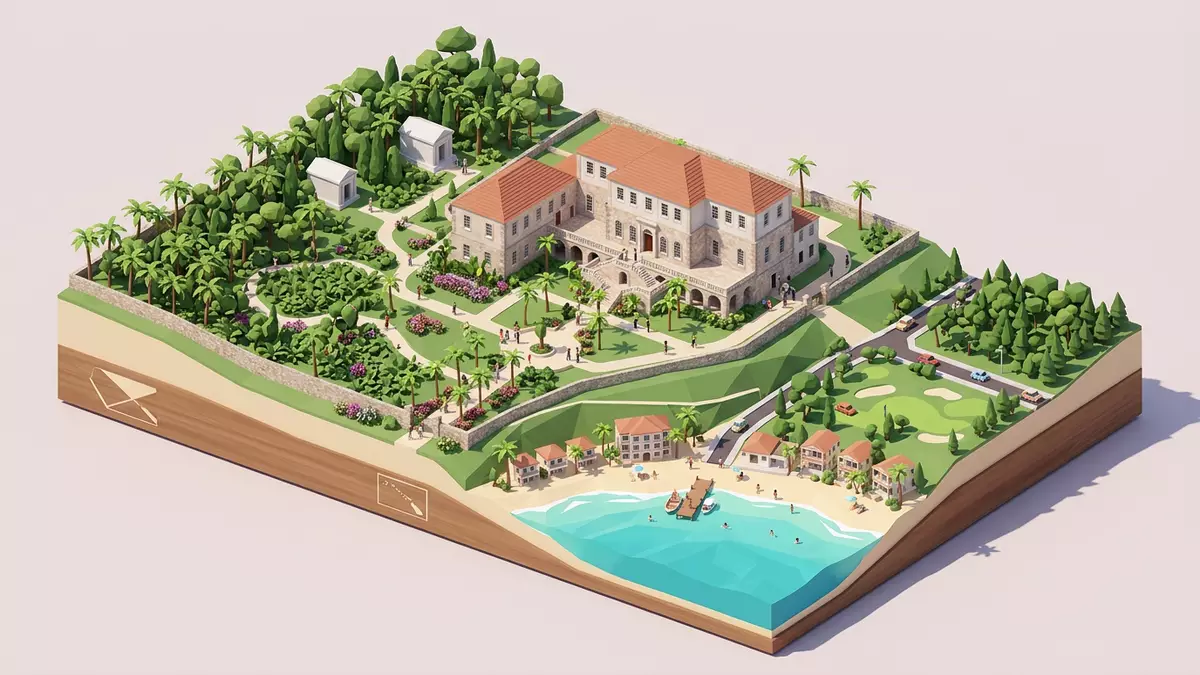
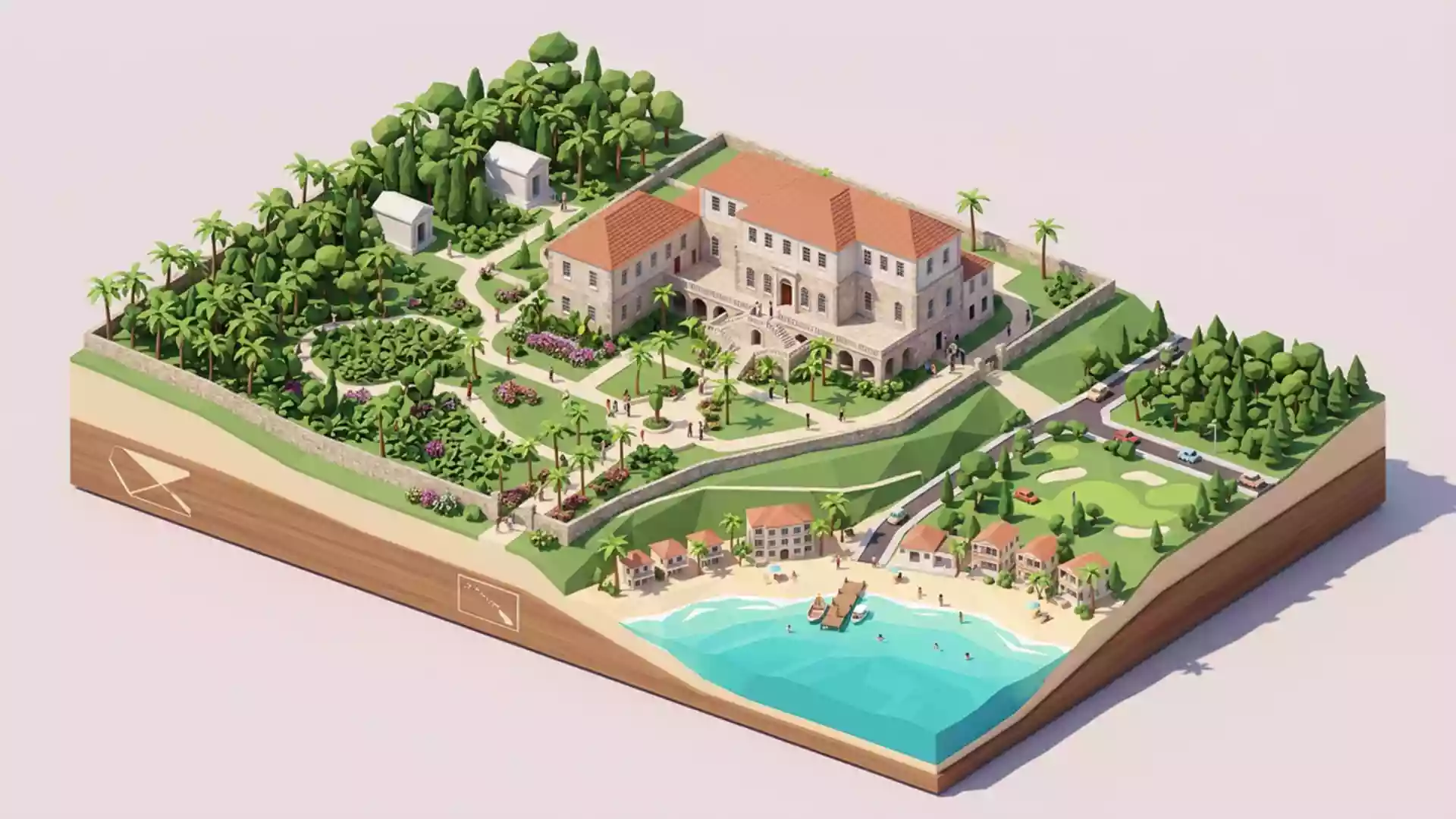
Rose Hall Great House above Montego Bay in Jamaica is a Georgian plantation mansion where cut stone, mahogany interiors and plantation history share the same hillside with Caribbean views. Built in the eighteenth century as the centrepiece of a large sugar estate worked by enslaved people, it stands today as a restored historic house museum that keeps that era’s architecture and stories in one place.
A Georgian great house on a Caribbean ridge
Rose Hall Great House stands on a ridge east of Montego Bay, raised above coastal land that once formed part of its plantation estate. From this hillside the house looks out across former caneland and the line of the north coast, a vantage point that underlines its status as the administrative heart of a large agricultural property.Rose Hall sits on a ridge Architecturally it belongs to the Georgian tradition carried from Britain into the Caribbean, with a stone base and a plastered upper storey arranged in balanced, regular bays.a mansion in Jamaican Georgian style
The history of the estate reaches back into the mid eighteenth century, when planter Henry Fanning began construction of a substantial house above his sugar lands.construction of the great house began in 1750 After Fanning’s death, the project and the plantation passed to figures including George Ash and later John Palmer, whose name is closely tied to the completed mansion and whose wife Rosa gave the estate its name.named it after his wife, Rosa In this period Jamaica formed part of the British Empire, and sugar grown on estates like Rose Hall was central to the island’s economy.
Architecture: cut stone, mahogany and symmetry
Seen from outside, Rose Hall Great House reads as a textbook Georgian plantation mansion, with cut stone forming the lower levels and rendered surfaces above. A grand stone staircase rises to the main entrance on the upper floor, flanked by symmetrical openings that give the façade a measured rhythm described by heritage bodies as characteristic Georgian composition in the Caribbean.grand staircase and cut-stone lower levels Features such as sash windows, quoins and a hip roof tie the house visually to contemporary British country houses, even as its hilltop setting and verandas respond to tropical light.
Inside, the restored rooms showcase timber floors, carved mahogany and imported decorative elements that spoke to the wealth of the planter class that built and lived in the house.mahogany floors and European antiques Guides and heritage descriptions emphasise features such as a mahogany staircase, interior panelling and replicated silk wall fabric modelled on designs once associated with European courts, details that lend the interior both formality and a sense of distance from the labour taking place on the surrounding estate.mahogany staircase and silk wall fabric
Plantation history and the White Witch legend
The great house was only one part of a much larger plantation landscape. At its peak the Rose Hall estate extended over thousands of acres and held more than 2,000 enslaved Africans, whose labour in the cane fields and mill yards produced sugar, rum and other goods for export.6,521-acre estate and 2,000 enslaved people The wealth concentrated in the mansion’s furnishings and social life was inseparable from this coerced work, a connection that modern interpretation at the site makes visible by placing plantation artefacts and narratives alongside the house’s decorative features.originally a sugar plantation
Rose Hall Great House is also linked to the “White Witch” legend centred on a woman named Annie Palmer, whose ghost is said in popular stories to haunt the property.the White Witch is a legendary story The legend, elaborated in twentieth-century novels and ghost tours, tells of an owner accused of murdering several husbands and brutalising the people she controlled.the White Witch of Rose Hall is the most famous ghost in Jamaica Research into the story has shown that many of its details are literary inventions rather than documentary history, yet the legend remains part of how the house is presented, adding a layer of folklore to its documented plantation past.the story was fictionalised and modelled on a novel
Visiting Rose Hall Great House: what travellers from Western Europe should know
- Rose Hall Great House stands east of Montego Bay on Jamaica’s north coast, reached by road along the coastal strip where resort developments line the shoreline.
- The mansion occupies an elevated site above former plantation land; approaches and interior routes include staircases and changes in level that reflect its multi-storey layout.
- The surrounding area combines historic estate structures with later leisure developments, so views from the house take in both remnants of sugar-era terrain and contemporary coastal buildings.
- The official language is English and the currency is the Jamaican dollar.
- Entry requirements depend on your nationality; UK travellers can check the FCDO travel advice at gov.uk/foreign-travel-advice, Irish travellers the Department of Foreign Affairs at ireland.ie.
Searching for Rose Hall Great House on social platforms
These links open searches for Rose Hall Great House on each platform.
Frequently asked questions about Rose Hall Great House
Where is Rose Hall Great House?
Rose Hall Great House is located near Montego Bay on the north coast of Jamaica, set on a hill overlooking coastal land once tied to its plantation estate.
What can visitors expect on a visit?
Visitors encounter a restored Georgian plantation mansion with cut stone and mahogany interiors, furnished rooms and interpretation that links the house to Jamaica’s eighteenth-century sugar economy and associated legends.
What makes Rose Hall Great House distinctive?
Rose Hall Great House combines a hilltop Georgian architectural ensemble, documented plantation history and the enduring White Witch legend, giving the site a layered character that connects built form, labour history and folklore within one estate.