
Rocky Mountain National Park and the high road above treeline
Published on 09/19/2026 at 16:19 | Editorial responsibility: Rafael Müller, Editor-in-Chief AD HOC NEWS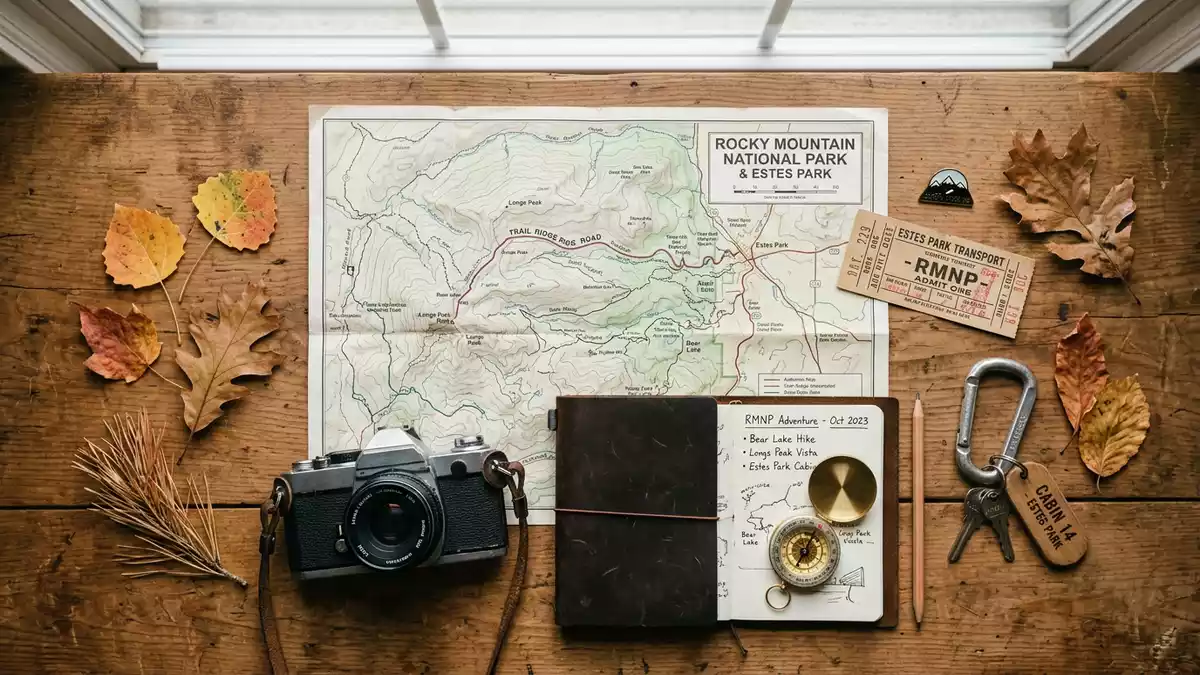
Rocky Mountain National Park rises west of Estes Park in north-central Colorado, with Longs Peak and Trail Ridge Road among its defining names. The park was established on 26 January 1915 and later became a UNESCO biosphere reserve, giving it a clear place in both landscape and conservation history.
Longs Peak, glaciers and the Continental Divide
The park’s best-known form is vertical rather than decorative: high peaks, broad valleys and the line of the Continental Divide. Longs Peak reaches 14,259 feet (4,346 m), and the park’s elevations run from the lower valley country to alpine ground above treeline.Park Statistics
That range is part of the park’s appeal as a place of water, rock and altitude. The NPS notes that the park feeds river systems including the Colorado River and the Cache la Poudre, while UNESCO places the Rocky Mountains biosphere reserve along the Continental Divide and records its 1976 nomination.biosphere reserve
Trail Ridge Road and the park’s high crossing
Trail Ridge Road is the park’s most striking built element, a high route that climbs to 12,183 feet (3,713 m). It is the highest continuous paved road in the United States and links Estes Park with Grand Lake across alpine ground.Trail Ridge Road
The road crosses open tundra and the Continental Divide at Milner Pass. Eleven miles run above treeline, which gives the route a sharply exposed character and a constant sense of elevation as it moves through the park.above treeline
Beaver Meadows and the park’s modern face
The park also has a strong modern architectural presence at Beaver Meadows Visitor Center, the park headquarters at the eastern entrance near Estes Park. It was completed in 1967 and designed by Taliesin Associated Architects, the practice linked to Frank Lloyd Wright’s legacy.Beaver Meadows Visitor Center
Its low profile and broad lines sit in contrast with the steep country around it. The building gives the park a twentieth-century architectural layer, alongside the older story of peaks, passes and the road that crosses the high ground.Rocky Mountain National Park
Visiting Rocky Mountain National Park: what travellers from Western Europe should know
- The park lies just west of Estes Park in Colorado, and the eastern side is reached by road from the town. Trail Ridge Road also links the park with Grand Lake on the western side.
- Much of the park sits at high elevation, and several of its best-known features are in alpine terrain. Longs Peak rises above 14,000 feet, and Trail Ridge Road crosses ground above treeline.
- Estes Park is the eastern entrance and headquarters town, with the Beaver Meadows Visitor Center at the park’s main eastern access.
- Rocky Mountain National Park is part of the Front Range of the Rockies, and the park boundary includes river headwaters and alpine tundra.
Searching for Rocky Mountain National Park on social platforms
These links open searches for Rocky Mountain National Park on each platform.
Frequently asked questions about Rocky Mountain National Park
Where is Rocky Mountain National Park?
It lies in north-central Colorado, west of Estes Park and east of Grand Lake. The park sits in the Front Range of the Rockies.
What should a visit feel like?
Expect steep relief, high passes and long views across alpine ground. Trail Ridge Road and Longs Peak give the park its most immediate scale.
What makes Rocky Mountain National Park distinctive?
Its combination of a high mountain landscape, a major alpine road and a modern visitor centre sets the park apart in visual terms. The result is a place where peaks, pass roads and architecture sit together in one setting.


