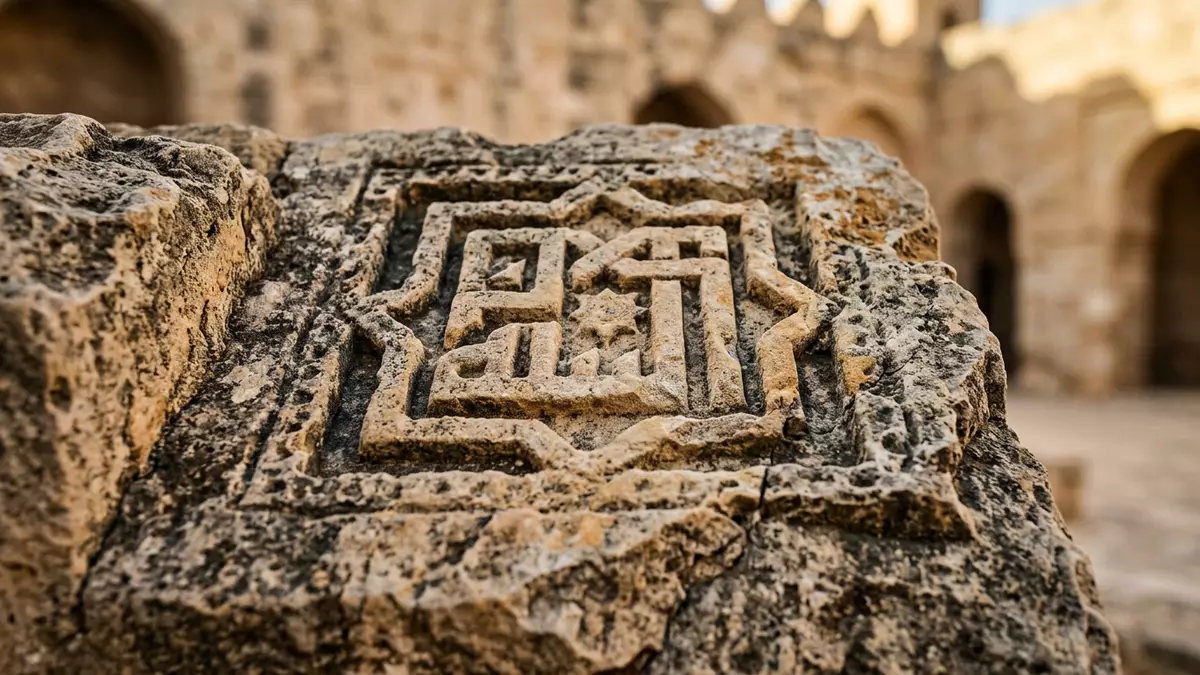
Ribat of Monastir and its stone ramparts
Published on 08/10/2026 at 15:18 | Editorial responsibility: Rafael Müller, Editor-in-Chief AD HOC NEWS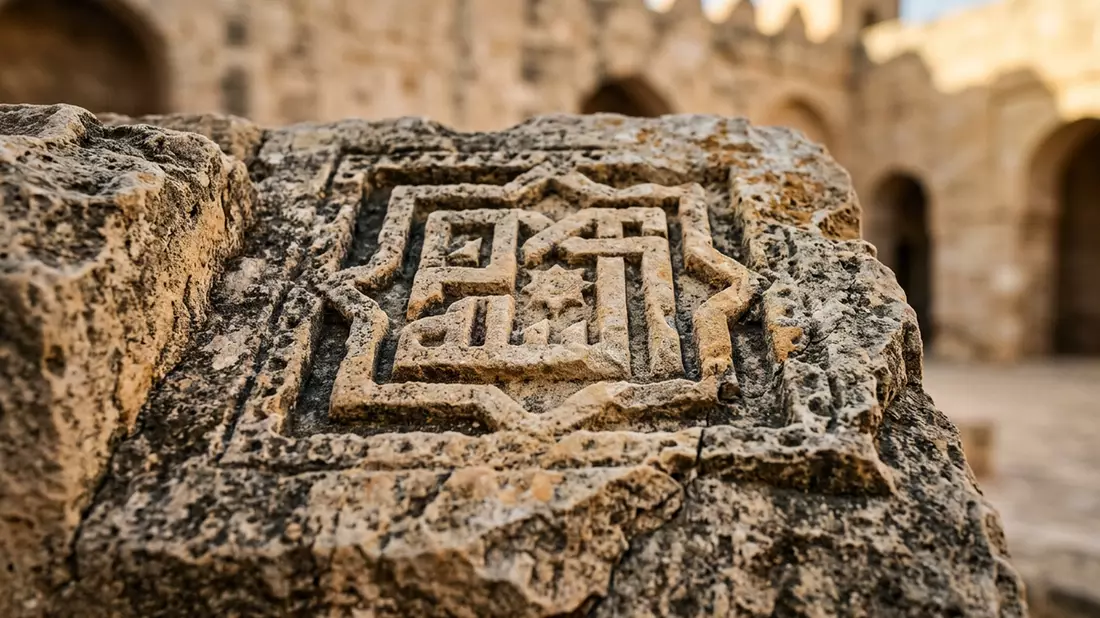
Ribat of Monastir is a ninth-century Islamic fortress on Tunisia’s coast, built under the Aghlabids and closely associated with the name of Ibrahim ibn al-Aghlab. Its thick stone walls, square mass and lookout towers make it one of Monastir’s most recognisable landmarks.
Stone walls on the edge of Monastir
The ribat stands beside the harbour area, close to the sea and the town centre. Its exterior is compact and severe, with pale masonry, small openings and a strong rectangular outline.
The building belongs to the early medieval period of North Africa, when ribats served as fortified religious outposts along the coast. In Monastir, the structure has outlasted that original function and remains a major historical monument.
Aghlabid foundations and later layers
The earliest fabric belongs to the Aghlabid period in the ninth century. That dynastic setting links the monument to the wider Islamic architecture of Ifriqiya, the medieval name for much of present-day Tunisia.
Inside, the complex contains courtyards, prayer spaces, passages and stairs arranged through a dense fortified plan. The interior is less severe than the outer shell, but it keeps the same heavy masonry character throughout.
From fortress to heritage landmark
Ribat of Monastir has long since shifted from a military and devotional outpost to a place visited for its architecture and history. Its preserved massing, towers and inner rooms give the site a clear sense of age and continuity.
The monument also belongs to the visual identity of Monastir itself. Seen from nearby streets, it rises above the urban edge as a large stone presence shaped by the coastal setting and by Islamic defensive architecture.
Visiting Ribat of Monastir: what travellers from Western Europe should know
- Ribat of Monastir is in Monastir, Tunisia, within walking distance of the seafront and the town centre.
- Admission arrangements and opening hours are set by the site's operator and change with the season; the official website is the only binding source.
- The site is best approached in daylight, when the masonry, towers and interior passages are easiest to see.
- Expect stone steps, uneven floors and narrow passages inside the fortress.
- French and Arabic are useful on site, and local payment practice may vary.
- Entry requirements depend on your nationality. UK travellers should check the FCDO travel advice at gov.uk/foreign-travel-advice; Irish travellers the Department of Foreign Affairs at ireland.ie; EU and EEA citizens their own national foreign ministry.
Searching for Ribat of Monastir on social platforms
These links open searches for Ribat of Monastir on each platform.
Frequently asked questions about Ribat of Monastir
Where is Ribat of Monastir?
It stands in Monastir on Tunisia’s coast, close to the harbour and the old town area.
What should a visitor expect?
Expect a fortified stone complex with courtyards, stairs, passages and lookout points. The main impression comes from the mass of the masonry and the preservation of the medieval fabric.
What makes it distinctive?
Its Aghlabid origins, coastal setting and strong square profile make it one of the clearest surviving ribats in North Africa. The building combines defensive architecture with religious and historical meaning.