
Reserva Nacional de Paracas, where desert meets the Pacific
Published on 09/18/2026 at 09:03 | Editorial responsibility: Rafael Müller, Editor-in-Chief AD HOC NEWS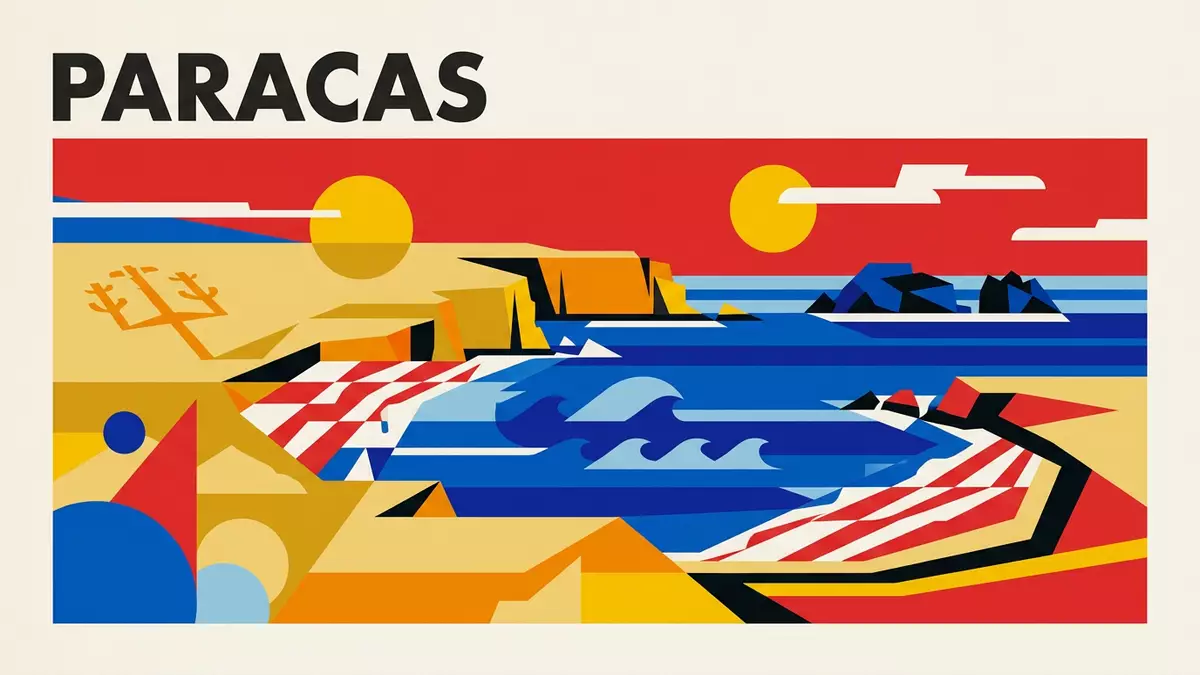
Reserva Nacional de Paracas on Peru’s south-western coast is a protected landscape where a bare desert peninsula drops into the cold waters of the Pacific, creating a meeting line between sand, cliffs and sea that defines the whole reserve. Established as a national protected area in 1975, it covers a broad swathe of land and ocean in the Ica region and forms one of Peru’s key coastal conservation areas.
Desert peninsula above a cold ocean
The reserve occupies the Paracas Peninsula and adjoining coastal waters in the Pisco and Ica provinces of the Ica region, with land and marine zones together extending across roughly 335,000 hectares (827,801 acres).335,000 hectares The desert here forms part of the Pacific coastal desert and the wider setting of the cold Peruvian current, so the terrain is largely bare, wind-shaped sand and rock broken by low hills and cliffs.
The coastline inside Reserva Nacional de Paracas is carved into bays, headlands and inlets, with long sandy beaches, rocky shores and offshore islands lying in the protected area; collectively these environments reflect both terrestrial desert and near-shore marine habitats in a single reserve.bays, shallow marine waters, rocky shores On the landward side the reserve lies south of the provincial capital Pisco, reached along the Panamericana Sur highway that runs down the coast of Peru.
A protected area for shorebirds and marine life
Reserva Nacional de Paracas was created on 25 September 1975 by decree as a national reserve, placing both its desert peninsula and adjoining ocean under formal protection.created on 25 September 1975 The protected area is part of Peru’s national system of natural protected areas and is administered by the national conservation authority known as SERNANP, which oversees reserves in different regions of the country.Servicio Nacional de Areas Naturales Protegidas por el Estado
On the international level, Reserva Nacional de Paracas is recognised under the Ramsar Convention as a wetland of importance and is also listed as a Western Hemisphere Shorebird Reserve Network site of regional importance, reflecting the large numbers of migratory shorebirds that stop here each year.Ramsar wetland siteWHSRN Site of Regional Importance Shorebirds use the reserve’s mudflats, beaches and shallow coastal waters as feeding and resting grounds along migration routes, while seabirds, marine mammals and fish inhabit the islands and offshore sea.
Colours, cliffs and coastal viewpoints
A visit to Reserva Nacional de Paracas reveals a sequence of viewpoints where desert colours meet the sea, from pale sand to darker rock and blue water. Roads within the reserve head towards bays and lookouts, including areas close to features such as Playa Roja, known for its band of darker sand backed by eroded cliffs, and stretches of coast where waves break directly at the foot of the desert escarpment.classic viewpoints like Playa Roja The combination of bare slopes, surf and sea birds circling above gives the reserve its stark, open character.
Off the coast from Paracas lie the Ballestas Islands, a separate protected cluster of rocky islets that are closely associated with visits to the area and are known for dense colonies of seabirds and marine life.Ballestas Islands Boat trips from the Paracas waterfront run out towards these islands, while land-based excursions traverse the peninsula inside the national reserve, so a stay in Paracas can combine desert shore viewpoints with marine wildlife encounters offshore.
Visiting Reserva Nacional de Paracas: what travellers from Western Europe should know
- Reserva Nacional de Paracas lies on the Paracas Peninsula in the Ica region of Peru, south of the city of Pisco and along the Panamericana Sur coastal highway.
- Much of the reserve consists of bare desert terrain, with unshaded viewpoints and stretches of shoreline exposed to wind, so visiting involves spending time in open, sun-exposed landscapes.
- The town of Paracas serves as the main access point, with road connections from Lima and regional centres and local transport or organised excursions continuing onwards into the reserve.
- The official language is Spanish and the currency is the Peruvian sol.
- Entry requirements depend on your nationality; UK travellers can check the FCDO travel advice at gov.uk/foreign-travel-advice, Irish travellers the Department of Foreign Affairs at ireland.ie.
Searching for Reserva Nacional de Paracas on social platforms
These links open searches for Reserva Nacional de Paracas on each platform.
Frequently asked questions about Reserva Nacional de Paracas
Where is Reserva Nacional de Paracas located?
Reserva Nacional de Paracas lies on the Paracas Peninsula and adjacent coastal waters in the Pisco and Ica provinces of the Ica region in south-western Peru.
What can visitors expect when exploring the reserve?
Visitors encounter open desert landscapes leading to cliffs and beaches on the Pacific, with viewpoints over bays and headlands and excursions that highlight both shore and sea life.
What makes Reserva Nacional de Paracas distinctive among Peru’s coastal areas?
The reserve combines a large desert peninsula, extensive marine zones, formal protection for migratory shorebirds and international recognition under the Ramsar and Western Hemisphere Shorebird Reserve Network frameworks.


