
Ras Mohammed National Park where Sinai meets the Red Sea
Published on 09/18/2026 at 19:53 | Editorial responsibility: Rafael Müller, Editor-in-Chief AD HOC NEWS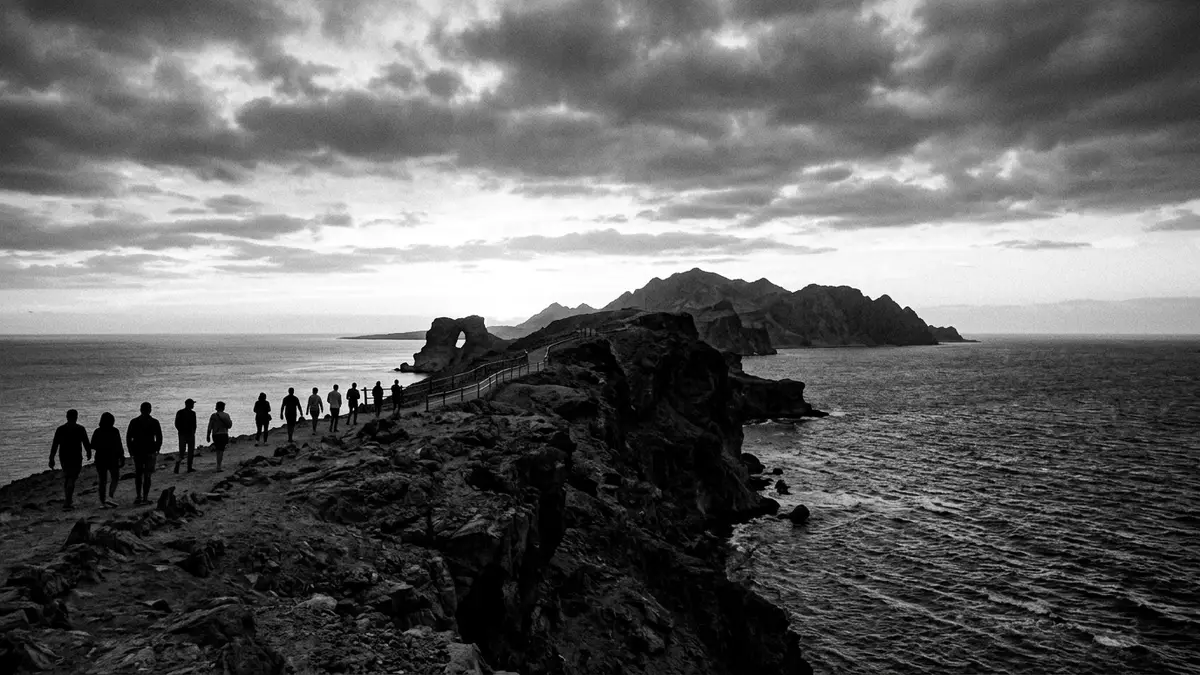
Ras Mohammed National Park marks the point where the Sinai Peninsula tapers into a narrow headland and slips between two arms of the Red Sea. At this southern tip of Sinai, desert rock, mangrove channels and densely packed coral reefs share the same compact stretch of coast, giving the park a striking mix of land and sea landscapes in a relatively small area. Declared as Egypt’s first national park in 1983, Ras Mohammed has become a key protected area for both the South Sinai governorate and the wider Red Sea basin.
Headland of fossil coral between two gulfs
Ras Mohammed lies just south-west of Scharm asch-Schaich, at the point where the Red Sea divides into the Gulf of Suez to the west and the Gulf of Aqaba to the east. The protected area extends over about 480 km² (185 sq mi) of land and sea, with much of its coastline formed from uplifted fossil coral terraces that rise abruptly above the water and break into bays and inlets.480 km² of land and sea This underlying fossil reef fabric is particularly clear along the main headland, where cliffs and platforms show ancient coral structures now exposed to the desert air.
The park occupies the southern extremity of the Sinai Peninsula within the South Sinai Governorate, overlooking shallow marine shelves of the Gulf of Suez on one side and much deeper waters of the Gulf of Aqaba on the other.southern tip of the Sinai Peninsula This position at the junction of two gulfs shapes its coastline into a narrow, curved spur of land surrounded by water on three sides, with views across to open Red Sea horizons and, in clearer weather, towards distant shores.
Egypt’s first national park and marine protected area
Ras Mohammed was formally declared a national park in 1983, becoming the first such designation in Egypt and setting a precedent for further protected areas along the Red Sea and in Sinai.declared a national park in 1983 The Egyptian Environmental Affairs Agency manages the site as the Ras Mohammed Marine Protected Area, reflecting the central role of its coral reefs and coastal waters in the park’s identity.Ras Mohammed Marine Protected Area
Protection covers both terrestrial desert and marine zones, with the sea making up the majority of the park’s area. The marine portion includes fringing coral reefs along the shore, reef slopes dropping into deeper water in the Gulf of Aqaba and shallower reef platforms in the Gulf of Suez.marine and terrestrial zones On land, the park protects desert plains, low hills and coastal features such as salt marshes, mudflats and mangrove stands, together representing a cross-section of South Sinai’s coastal ecology.
Reefs, mangroves and desert landscapes
One of the most striking aspects of Ras Mohammed is the density and variety of coral reefs along its shores. Surveys of the park’s waters have documented over 200 coral species, including a wide range of hard and soft corals that form continuous reef bands and isolated pinnacles.over 200 coral species These reef structures provide habitat for a large array of reef fish, together with invertebrates such as sea stars, sea urchins and molluscs, making the underwater landscape busy and varied.
Along the shoreline, small bays and inlets punctuate the fossil coral cliffs, some with sandy beaches leading into shallow water and others dropping more steeply to submerged reef ledges.fossil coral cliffs and bays In places, mangrove trees line narrow channels and lagoons, their roots extending into calm water and forming a transition zone between desert rock and marine habitats. Inland, the terrain is largely arid, with stony plains, low dunes and scattered vegetation adapted to limited rainfall.
Visiting Ras Mohammed National Park: what travellers from Western Europe should know
- Ras Mohammed National Park lies south-west of Scharm asch-Schaich at the southern tip of the Sinai Peninsula in Egypt, reached by road from the resort area and by boats operating along the Red Sea coast.
- Much of the park’s ground is uneven fossil coral and rock, with sections of cliff, sandy bays and shore platforms, so walking areas vary from firm desert surfaces to rough coastal terrain.
- The official language is Arabic and the currency is the Egyptian pound.
- Entry requirements depend on your nationality; UK travellers can check the FCDO travel advice at gov.uk/foreign-travel-advice, Irish travellers the Department of Foreign Affairs at ireland.ie.
Searching for Ras Mohammed National Park on social platforms
These links open searches for Ras Mohammed National Park on each platform.
Frequently asked questions about Ras Mohammed National Park
Where is Ras Mohammed National Park located?
Ras Mohammed National Park is in Egypt’s South Sinai Governorate at the southern tip of the Sinai Peninsula, just south-west of Scharm asch-Schaich.
What should visitors expect on a visit?
Visitors encounter desert headlands of fossil coral, cliffs, bays, mangroves and extensive coral reefs offshore, with access by road from Scharm asch-Schaich and by boats along the Red Sea.
What makes Ras Mohammed National Park distinctive?
The park’s distinctive character lies in its combination of uplifted fossil coral cliffs, a narrow headland between two gulfs and high coral reef diversity within a single protected area.


