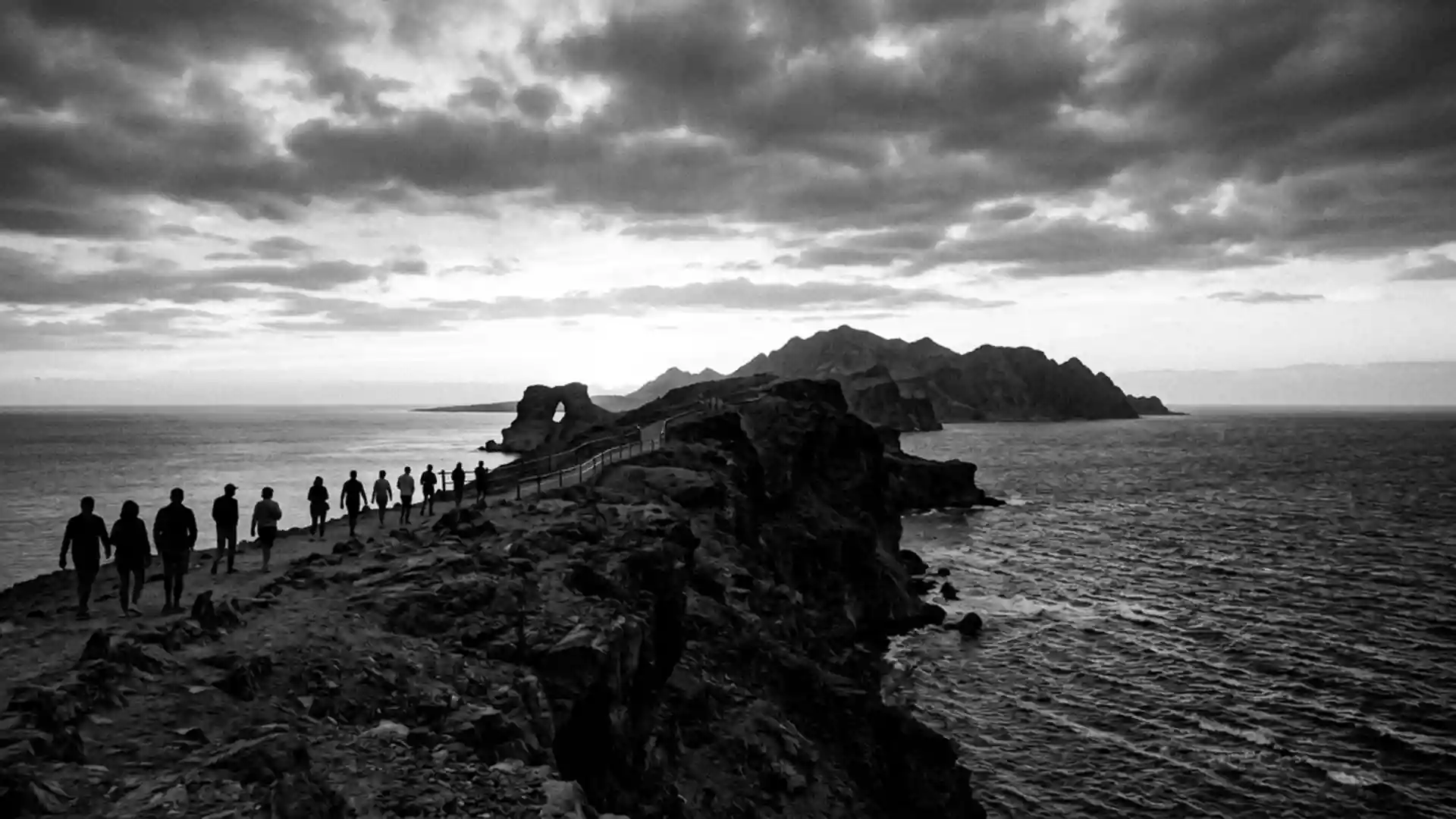
Ras Mohammed National Park where Sinai meets the Red Sea
Published on 09/03/2026 at 20:59 | Editorial responsibility: Rafael Müller, Editor-in-Chief AD HOC NEWS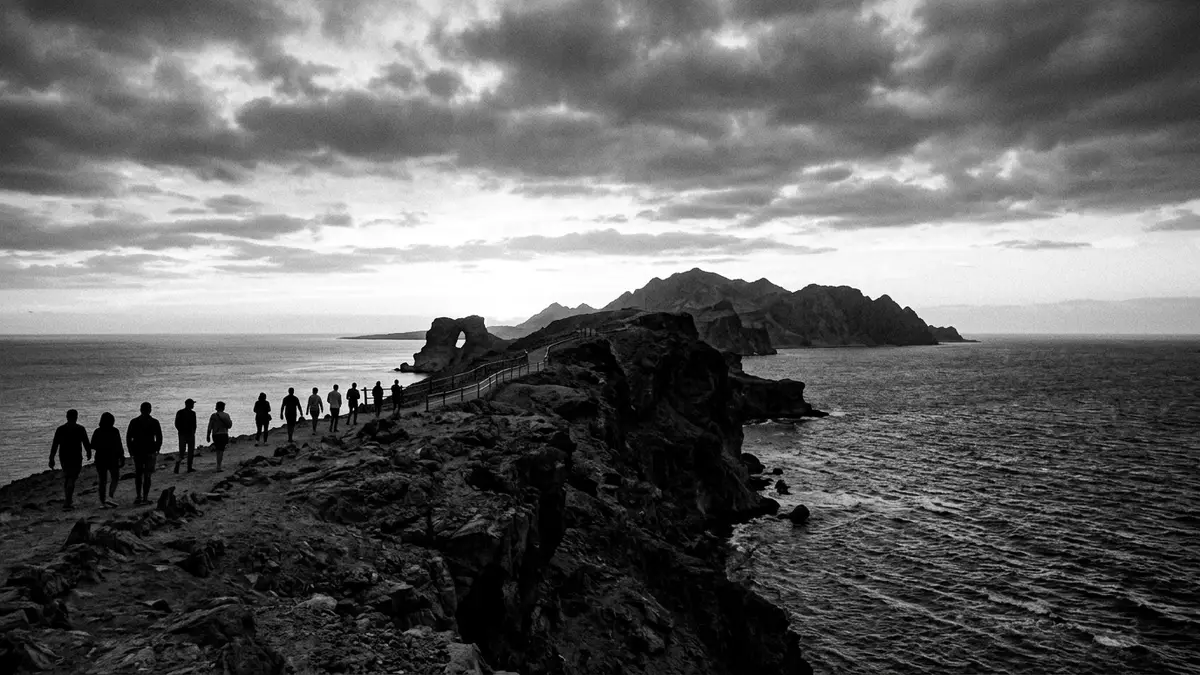
Ras Mohammed National Park at the southern tip of Egypt’s Sinai Peninsula is a protected meeting point of desert cliffs, coral reefs and mangroves where the Red Sea splits into two gulfs. Established as Egypt’s first national park in 1983, it covers a landscape and seascape south of Scharm asch-Schaich that bring land and water habitats together within one compact area.
Desert headlands above two gulfs
Ras Mohammed National Park occupies the headland that projects into the northern end of the Red Sea, overlooking the Gulf of Suez on one side and the Gulf of Aqaba on the other.southern extreme of the Sinai Peninsula The protected area extends over about 480 km² (185 sq mi) of land and sea, giving the park a scale that is large enough to include multiple coastal forms yet small enough that the main viewpoints lie within one continuous peninsula.480 sq km of land and sea
The land part of Ras Mohammed is largely composed of uplifted fossil coral terraces, where former reef structures now form cliffs and platforms above the water.desert headland shaped by uplifted coral These terraces break into bays and inlets along the coastline, creating sheltered areas between harder limestone and other sedimentary rock. Inland, low hills and plains lead towards the broader El-Qaa plain, with wadis and alluvial deposits visible in places.uplifted coral reefs and alluvial plains
Marine reserve of reefs and mangroves
Ras Mohammed National Park is classified as a marine reserve with a high proportion of its area lying under water, protecting Red Sea reef systems and associated habitats.marine reserve established in 1983 The park encompasses fringing coral reefs along much of its coastline, with reef walls dropping into clear water where hard corals form dense structures on the edge of the shelf.Red Sea reef protected These reefs support a wide range of fish and invertebrates, and their proximity to the shore makes them accessible straight from the headland and nearby bays.
Alongside the coral, Ras Mohammed National Park includes mangrove stands and tidal channels that line parts of the shoreline.mangrove stands and tidal channels These areas form a transition between desert and sea, where salt-tolerant vegetation anchors sediment and provides habitat for birds and marine life moving between shallow lagoons and deeper water. Salt marshes, mud flats and sabkha surfaces appear around the margins of these channels, reflecting the interplay of tides, evaporation and the region’s arid climate.tidal belts, sabkha and earthquake pools
Geology, habitats and conservation
The geological setting of Ras Mohammed National Park is shaped by the rift systems of the northern Red Sea, with faulted and uplifted Neogene blocks partially covered by Quaternary limestones of predominantly coral origin.faulted and uplifted Neogene blocks Surface features include elongated embayments, coastal spits and reef platforms that together form the distinctive outline of the peninsula. In places, earthquake pools cut through the uplifted reefs, indicating ongoing tectonic activity in the wider region.
When Ras Mohammed was declared in 1983, it became Egypt’s first national park, and its boundaries were later expanded to include additional marine areas and islands in the northern Red Sea.declared in 1983 and expanded The park now covers both marine and terrestrial zones managed to conserve coral reefs, desert ecosystems and migratory bird habitats.marine park with coastal and terrestrial zone Protection focuses on keeping reef structures intact, maintaining the natural coastline and safeguarding the ecological link between headland, mangroves and offshore waters.
Visiting Ras Mohammed National Park: what travellers from Western Europe should know
- Ras Mohammed National Park lies south of Scharm asch-Schaich on the Sinai Peninsula, reached by road from the resort area or by boats operating in the surrounding Red Sea.
- The terrain on the headland includes rocky paths, uneven fossil coral terraces and sections of coastal cliff, with approaches to viewpoints and shore-entry snorkel bays involving walking over rough ground.
- The park’s coastline faces both the Gulf of Suez and the Gulf of Aqaba, so viewpoints can look towards different sea basins and, in clear conditions, towards distant mountain ranges on the Sinai and Arabian sides.
- The official language is Arabic and the currency is the Egyptian pound. Entry requirements depend on your nationality; UK travellers can check the FCDO travel advice at gov.uk/foreign-travel-advice, Irish travellers the Department of Foreign Affairs at ireland.ie.
Searching for Ras Mohammed National Park on social platforms
These links open searches for Ras Mohammed National Park on each platform.
Frequently asked questions about Ras Mohammed National Park
Where is Ras Mohammed National Park located?
Ras Mohammed National Park is in Egypt’s South Sinai Governorate at the southern tip of the Sinai Peninsula, south of Scharm asch-Schaich, between the Gulf of Suez and the Gulf of Aqaba.
What can visitors expect on a visit to Ras Mohammed National Park?
Visitors encounter desert headlands of fossil coral above clear Red Sea water, with coastal cliffs, bays, mangroves and nearby fringing reefs forming a concentrated mix of land and marine landscapes.
What makes Ras Mohammed National Park distinctive among Red Sea coastal areas?
Ras Mohammed stands out for its combination of uplifted reef geology, dual-gulf setting and designation in 1983 as Egypt’s first national park, integrating terrestrial desert and protected marine zones in one headland.