
Ras Mohammed National Park at Sinai’s meeting of desert and sea
Published on 09/15/2026 at 22:24 | Editorial responsibility: Rafael Müller, Editor-in-Chief AD HOC NEWS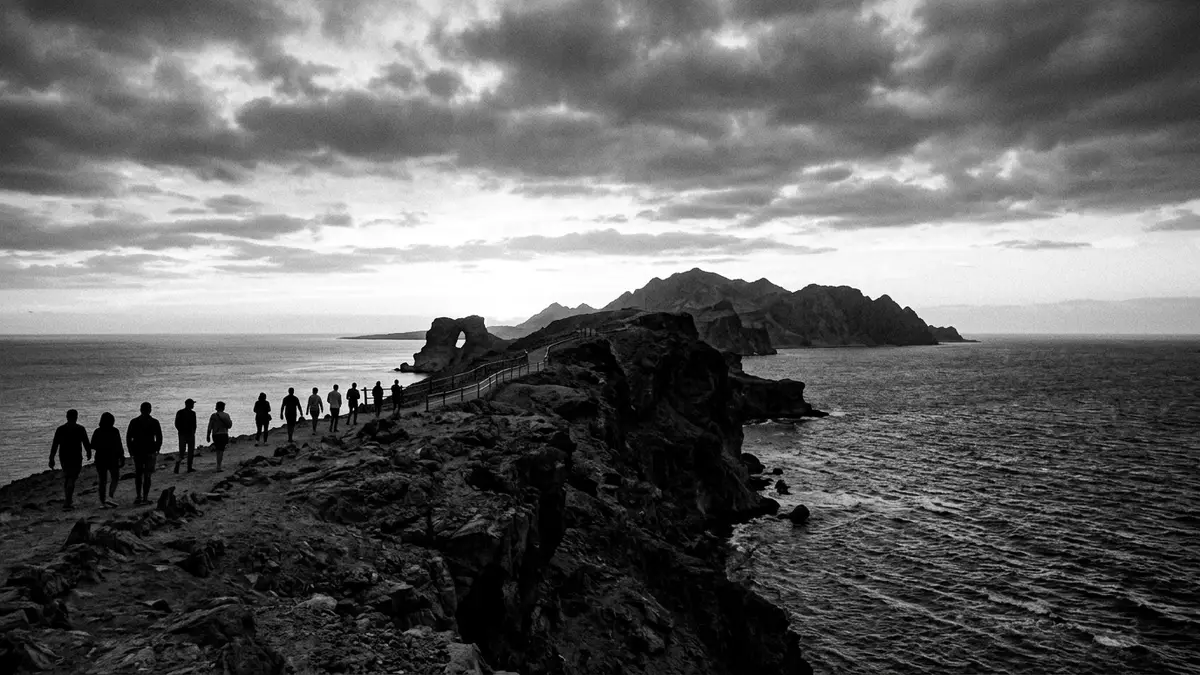
Ras Mohammed National Park at the southern tip of Egypt’s Sinai Peninsula is a compact headland where desert rock, mangroves and steep coral-fringed sea walls share the same small corner of land and water. Rising between the Gulfs of Suez and Aqaba near Scharm asch-Schaich, the park’s uplifted fossil-reef cliffs and surrounding marine drop-offs form one of the Red Sea’s most striking meetings of desert geology and ocean depth.
A headland between two gulfs
Ras Mohammed National Park occupies a rocky cape at the southernmost point of the Sinai Peninsula, overlooking the junction where the Gulf of Suez lies to the west and the Gulf of Aqaba to the east.headland at the southernmost tip The cape forms its own small peninsula linked to Sinai by a narrow land connection, with sea surrounding most of its perimeter.Ras Mohammed ist der südlichste Punkt der Sinai-Halbinsel
Seen on a map, Ras Mohammed appears as a pointed projection into the northern Red Sea that marks the dividing line between the two gulfs. The park lies just south of Scharm asch-Schaich in South Sinai Governorate, and its marine boundaries extend out to include nearby reefs and islands described in conservation documents.Ras Mohammed is the headland at the southern most tip
Uplifted fossil reefs and desert plains
The terrestrial part of Ras Mohammed National Park is composed largely of uplifted fossil coral reef formations that have been raised above sea level, forming cliffs and shelves along much of the coastline.composed of uplifted coral reefs These fossil reefs record ancient sea levels and are interspersed with sandy bays and intertidal flats, while desert plains and low hills stretch inland behind the shore.
Geological surveys describe Ras Mohammed’s rocks as a mix of pre-Cambrian igneous formations belonging to the Arabian–Nubian Shield, overlain by Miocene and post-Miocene sedimentary units and loose Quaternary deposits.pre-cambrian basement rocks and Miocene sediments The peninsula itself is described in scientific and conservation sources as a block of fossil coral reef that emerged during the Quaternary period, backed by gravel plains, wadis and desert dunes dotted with marine fossils.the peninsula itself is made up of a fossil coral reef
Tectonic junction and underwater depth
Ras Mohammed National Park sits at a tectonic junction associated with the opening of the Red Sea, where regional rift and transform systems meet. Geological summaries note that the area lies between the Gulf of Suez rift and the Gulf of Aqaba transform fault, and that the park itself is influenced by the interaction of African, Arabian and Sinai tectonic plates.junction of three plates Earthquake-related activity has produced fractures and fissures in the park’s limestone and reef terraces, some of which form visible cracks in the ground partially filled with water.
Offshore, the marine sections of Ras Mohammed drop rapidly into deep water, especially along the Gulf of Aqaba side where depths in the adjacent basin reach well beyond typical continental shelves.deep waters of the Gulf of Aqaba Coral reefs fringe the headland almost all the way around, forming steep submarine walls that descend into the rift system. These underwater cliffs contrast with the relatively shallow marine platform on the Gulf of Suez side, giving the park a pronounced difference in sea depth from west to east.steep rising mountains meet the waterline and drop to form reef walls
Desert habitats, mangroves and marine life
Although Ras Mohammed National Park is widely known as a marine reserve, its boundaries include a considerable variety of desert habitats. Conservation descriptions list sandstone mountains, gravel plains, wadis, and sand dunes within the park’s terrestrial area, all shaped by rare rainfall and prevailing desert winds.sandstone mountains, gravel-plains, wadis, and sand-dunes Along parts of the shore, low cliffs of fossil reef are cut by small bays with beaches of pale sand.
On the southern side of the headland, a stand of mangrove trees of the genus Avicennia grows beside a shallow channel known in some sources as the Mangroves Channel, separated from a sandy feature often referred to as Mangroves Island.stand of mangrove Avicennia Offshore, hard and soft coral assemblages fringe the peninsula in almost all directions, and the surrounding reefs support a broad diversity of Red Sea marine species recorded in park and biodiversity surveys.
Visiting Ras Mohammed National Park: what travellers from Western Europe should know
- Ras Mohammed National Park lies at the southern tip of the Sinai Peninsula in Egypt, just south of the resort city of Scharm asch-Schaich, reached by road from the town and by boat from its harbours.
- Much of the terrestrial park consists of uneven rocky ground, low cliffs and shallow wadis, with areas of loose gravel and sand; sturdy footwear helps on longer walks across these desert surfaces.
- The coastal zone combines short sandy beaches with sections of fossil-reef shoreline and shallow lagoons, and some viewpoints require short climbs up paths on limestone or sandstone slopes.
- The official language is Arabic and the currency is the Egyptian pound.
- Entry requirements depend on your nationality; UK travellers can check the FCDO travel advice at gov.uk/foreign-travel-advice, Irish travellers the Department of Foreign Affairs at ireland.ie.
Searching for Ras Mohammed National Park on social platforms
These links open searches for Ras Mohammed National Park on each platform.
Frequently asked questions about Ras Mohammed National Park
Where is Ras Mohammed National Park?
Ras Mohammed National Park is a protected headland at the southern tip of Egypt’s Sinai Peninsula, just south of Scharm asch-Schaich, between the Gulfs of Suez and Aqaba.
What can visitors expect on a visit?
Visitors encounter uplifted fossil-reef cliffs, desert plains, wadis and mangroves on land, with surrounding coral reefs dropping into deep Red Sea water along much of the shoreline.
What makes Ras Mohammed National Park distinctive?
The park’s combination of Quaternary fossil-reef terraces, Arabian–Nubian Shield geology and steep coral-fringed submarine walls at a major tectonic junction gives it a rare blend of desert and marine features.


