
Rapa Nui’s stone guardians and the volcanic island of Hanga Roa
Published on 08/29/2026 at 21:18 | Editorial responsibility: Rafael Müller, Editor-in-Chief AD HOC NEWS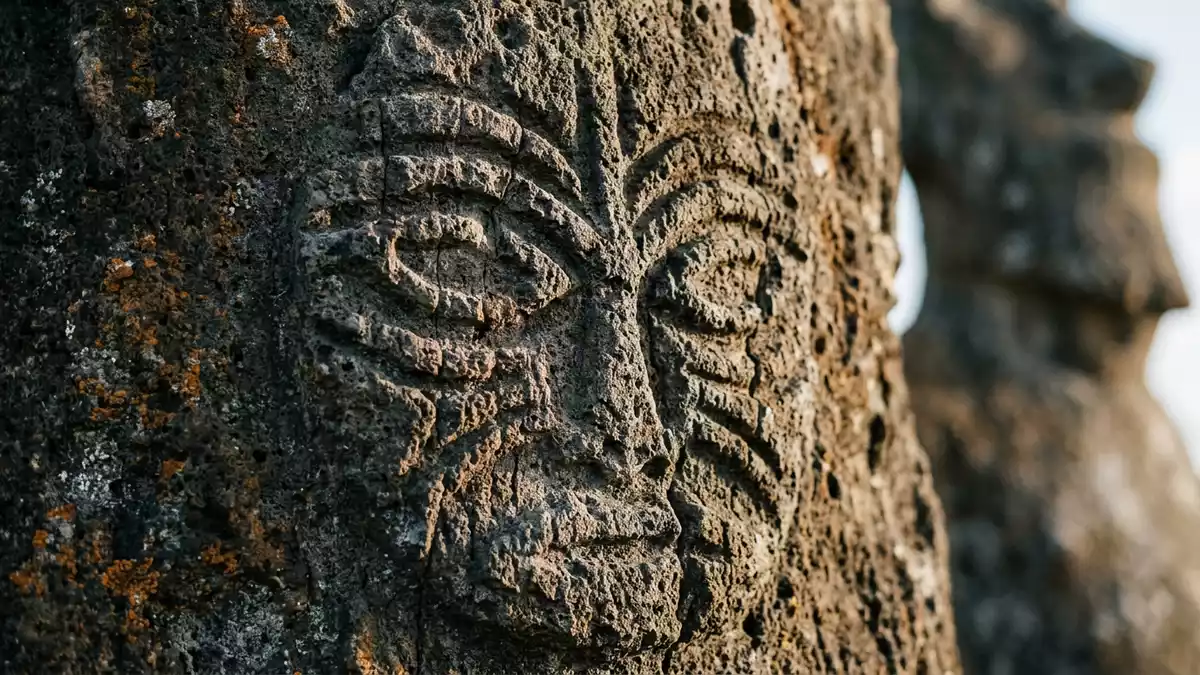
Rapa Nui, better known to many as Easter Island, rises from the Pacific as a remote Chilean territory where hundreds of carved stone figures stand against an austere volcanic landscape. The island’s monumental moai statues and the archaeological sites gathered within Rapa Nui National Park form a cultural landscape dating to the centuries between the tenth and sixteenth century, rooted in a Polynesian society that arrived on the island in the first millennium AD.
Stone ancestors along the Pacific shore
Rapa Nui is synonymous with the moai, the monumental human figures carved from volcanic rock by the island’s early inhabitants. Inventories compiled for the island’s World Heritage status list around 887 extant monolithic stone statues on Rapa Nui and in museum collections, with broader archaeological surveys counting about 900 figures alongside hundreds of ceremonial platforms.887 monolithic stone statues On the island itself, many moai are raised on stone platforms called ahu, facing inland from the shore, while others remain partly buried on the slopes of the quarry.
The moai belong to a carving tradition that developed over centuries within a Polynesian culture that settled on Rapa Nui around the first millennium AD and worked almost entirely in isolation from other societies. UNESCO documents date this settlement to around AD 300, with the main phase of moai carving between the tenth and sixteenth century, producing shrines and platforms along the coast and across inland sites.shrines and erected enormous stone figures The statues vary in scale, with many reaching several metres in height and some among them towering above visitors at key platforms.
A volcanic island shaped by craters and cliffs
Rapa Nui is a volcanic island, formed by a group of extinct volcanoes whose outlines still structure its low, rounded profile. The main mass centres on Mount Terevaka, the highest point of the island, while older eruptive complexes such as Rano Raraku and Rano Kau form sweeping craters and coastal cliffs that frame the ocean. Hanga Roa, the island’s main town, lies in the lowlands on the west coast, between Terevaka and the broad crater of Rano Kau, connecting the inhabited shoreline with the interior slopes.between the extinct volcanoes of Terevaka and Rano Kau
Much of Rapa Nui’s terrain lies within Rapa Nui National Park, a Chilean protected area that covers nearly half the island and gathers the principal archaeological remains.nearly half the island is within the bounds of Rapa Nui National Park Visitors move through grass-covered slopes of volcanic tuff, coastal lava fields and exposed crater rims where paths lead to clusters of statues, petroglyphs and stone dwellings. At Rano Raraku, the former quarry, moai stand half carved from the rock or partly buried on the outer slopes, while at coastal ahu platforms statues align along the shore with the Pacific stretching beyond them.
World Heritage recognition and a living Polynesian community
Rapa Nui National Park carries both Chilean protection and international recognition. The island was declared a national historic monument in 1935, and UNESCO inscribed Rapa Nui National Park on the World Heritage List as a cultural site in 1995, under criteria that recognise both the artistic achievement of the statues and the way archaeological remains blend with the island’s natural scenery.inscription: Rapa Nui National Park (Chile) The listing notes thousands of structures related to agriculture, funeral rites, housing and production, extending the significance of the park beyond the carved figures alone.thousands of structures related to agriculture
Hanga Roa, the main town and harbour, concentrates most of the island’s population and services. It stands as the administrative seat of Easter Island within Chile’s Valparaíso Region and is the base for visits across the National Park.the only town in Rapa Nui From Hanga Roa, roads radiate to nearby sites such as the Tahai area, where restored moai stand on coastal platforms and the Padre Sebastian Englert Anthropological Museum presents artefacts and research on the Rapa Nui culture. The contemporary community maintains Rapa Nui language and traditions alongside Spanish, anchoring daily life on the island within both Polynesian heritage and Chilean administration.
Visiting Rapa Nui: what travellers from Western Europe should know
- Rapa Nui lies in the south-eastern Pacific Ocean, with Hanga Roa on the island’s western shore; flights link the town’s airport with mainland Chile.
- The terrain within Rapa Nui National Park includes uneven volcanic slopes, coastal lava shelves and paths over grassland, so walking routes often involve gradients and rough ground.
- Hanga Roa is the only town on the island, and most accommodation, shops and local tour operators are based there, making it the starting point for excursions.
- The official language is Spanish alongside Rapa Nui, and the currency is the Chilean peso.
- Entry requirements depend on your nationality; UK travellers can check the FCDO travel advice at gov.uk/foreign-travel-advice, Irish travellers the Department of Foreign Affairs at ireland.ie.
Searching for Rapa Nui on social platforms
These links open searches for Rapa Nui on each platform.
Frequently asked questions about Rapa Nui
Where is Rapa Nui and how is Hanga Roa situated on the island?
Rapa Nui is a Chilean island in the south-eastern Pacific Ocean, with Hanga Roa on the west coast between the volcanic masses of Terevaka and Rano Kau.
What can visitors expect when exploring Rapa Nui National Park?
Visitors encounter moai statues on coastal platforms and crater slopes, together with petroglyphs, stone dwellings and agricultural remains spread across volcanic terrain.
What makes Rapa Nui distinctive among Pacific islands?
The scale and concentration of its carved stone moai, the isolation of its Polynesian culture and its designation as a UNESCO World Heritage Site give Rapa Nui a singular character.


