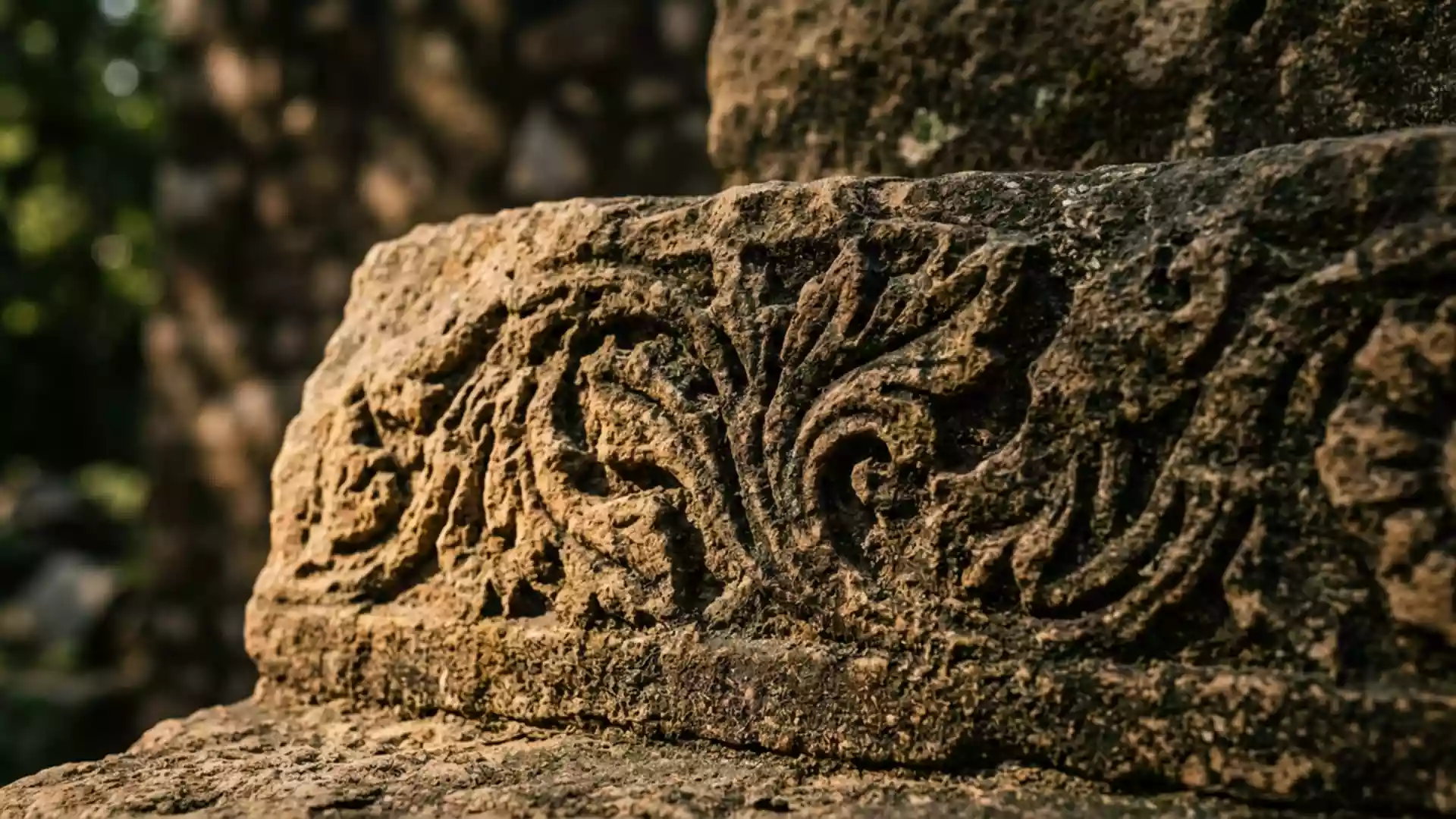
Ranthambore National Park where fort stone meets tiger forest
Published on 09/11/2026 at 11:21 | Editorial responsibility: Rafael Müller, Editor-in-Chief AD HOC NEWS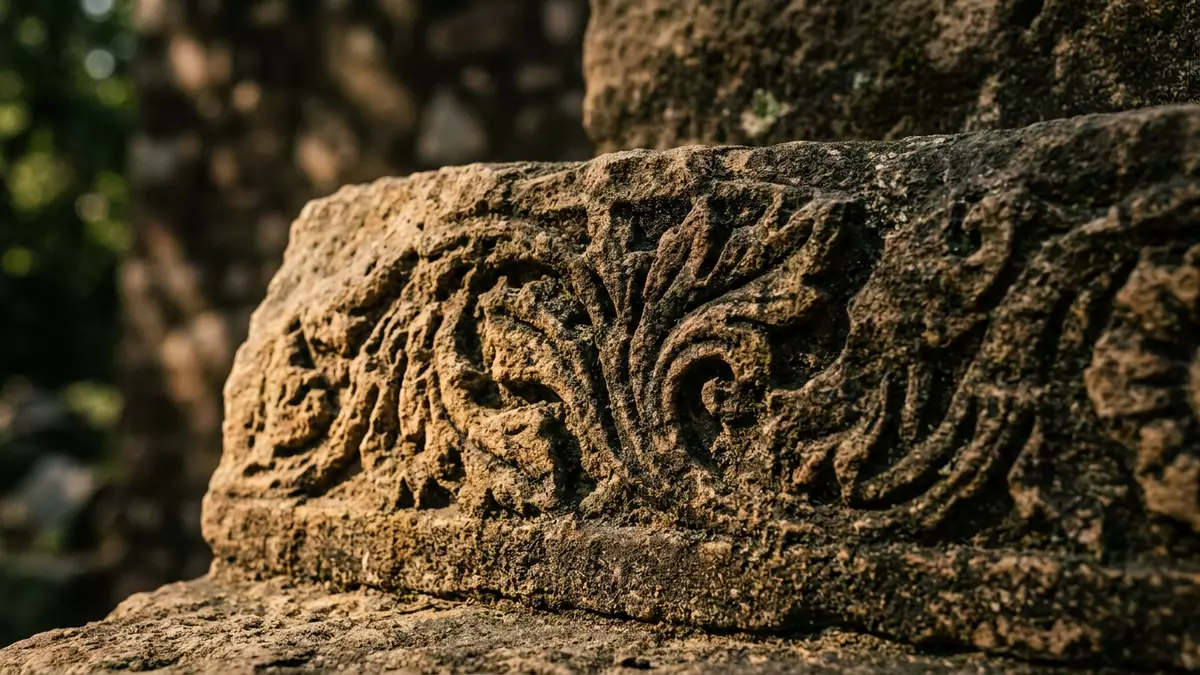
Ranthambore National Park in Rajasthan’s Sawai Madhopur district is one of India’s best known tiger landscapes, where dry forest, rocky plateaux and the stone mass of Ranthambore Fort share a single protected terrain. Established as the Sawai Madhopur Game Sanctuary in 1955 and notified as a national park in 1980, it forms the core of the wider Ranthambore Tiger Reserve, a belt of woodland and ravines anchored by a mediaeval fortress on a high outcrop.Sawai Madhopur Game Sanctuary in 1955
Fort and forest on a Rajasthan plateau
Ranthambore National Park lies in the Sawai Madhopur district in the eastern part of Rajasthan, at the meeting point of the Aravalli and Vindhya hill systems, so visitors move through a landscape where older metamorphic hills and younger sandstone plateaux appear in the same view.junction of the Aravalli and Vindhya ranges The protected area is bordered by rivers to north and south, with the Banas River forming a boundary in one direction and the Chambal River lying beyond the forest in the other, so the plateau is framed by watercourses as well as hills.bordered by the Chambal and Banas rivers
The national park occupies a core area of a little under 275 km² (106 sq mi), surrounded by a wider buffer zone that brings the total protected landscape to more than 390 km² (151 sq mi).core and buffer figures When the adjoining Sawai Man Singh and Kailadevi wildlife sanctuaries are included, the Ranthambore Tiger Reserve covers over 1,300 km² (502 sq mi) of dry deciduous forest, cliffs, grasslands and lakes around the park’s core.Ranthambore Tiger Reserve extent Within this terrain, valleys carry dhok trees and other hardy species that drop their leaves in the dry season and flush green once the monsoon rains return, giving the forest a marked seasonal rhythm.
Ranthambore Fort: a mediaeval stronghold above tiger country
The park takes its name from Ranthambore Fort, a sprawling hilltop stronghold that stands on a rocky outcrop within the protected area, looking down over lakes and forest clearings.Ranthambore Fort inside the park The fort’s origins are linked to the Chauhan Rajput dynasty and the ruler Sapaldaksha in the tenth century, placing its earliest phase firmly in a mediaeval Rajput context on this plateau.Chauhan Rajput king Sapaldaksha Over subsequent centuries it passed between different powers, including Rajput rulers, the Delhi Sultanate and the Mughal Empire, with Emperor Akbar capturing Ranthambore Fort in 1568 during his campaigns in Rajasthan.Akbar captures the fort in 1568
Within the fort, stone walls, gateways and temples ring the plateau, while ruined palaces and pavilions stand at different levels above the forest. On one side lies the Jogi Mahal, beside a lake that reflects the fort’s walls, and elsewhere visitors encounter structures such as ancient temples and the Rajbagh ruins, where masonry rises from grass and scrub inside the national park.Jogi Mahal and Rajbagh ruins Ranthambore Fort is part of the Hill Forts of Rajasthan group inscribed on the UNESCO World Heritage list in 2013, linking this plateau to other major Rajput strongholds across the state.Hill Forts of Rajasthan inscription
From royal hunting ground to Project Tiger reserve
Before independence, the forest and cliffs around Ranthambore Fort formed the private hunting grounds of the rulers of Jaipur, and royal parties travelled here to pursue tigers and other large game in the valleys below the stone walls.former hunting grounds of the maharajas of Jaipur That royal use has long since ended, and the same rocky plateaux, ravines and lakes now sit within a conservation landscape focused on protecting Bengal tigers and associated wildlife.
The modern conservation story began in 1955, when the forest around the fort was declared the Sawai Madhopur Game Sanctuary, creating a protected zone under India’s post?independence conservation laws.Sawai Madhopur Sanctuary in 1955 In 1973 Ranthambore was brought under Project Tiger, India’s nationwide programme to safeguard the Bengal tiger by designating core reserves across the country, and in 1980 an inner section of the sanctuary was notified as Ranthambore National Park, including forest and lakes around the fort.Project Tiger and national park notification Subsequent extensions incorporated the Sawai Man Singh and Kailadevi wildlife sanctuaries into the wider reserve, creating a larger mosaic of core and buffer forest.
Visiting Ranthambore National Park: what travellers from Western Europe should know
- Ranthambore National Park lies near Sawai Madhopur in eastern Rajasthan, south?east of Jaipur, and is reached by road links from Jaipur and by rail services to Sawai Madhopur Junction.
- The terrain inside the park consists of rocky plateaux, forest tracks and stretches of uneven ground, with some viewpoints in and around Ranthambore Fort accessed by flights of stone steps on the hillside.
- In the dry season the forest takes on an open aspect, with many trees losing their leaves, while after the monsoon rains water gathers in lakes and seasonal streams and the woodland canopy becomes denser.
- Within sight of the park are named features such as the Banas River and the wider Aravalli and Vindhya hill systems, so excursions in the region combine forest views with broader Rajasthan landscapes.
- The official language of this part of India is Hindi and the currency is the Indian rupee; entry requirements depend on your nationality, UK travellers can check the FCDO travel advice at gov.uk/foreign-travel-advice, Irish travellers the Department of Foreign Affairs at ireland.ie.
Searching for Ranthambore National Park on social platforms
These links open searches for Ranthambore National Park on each platform.
Frequently asked questions about Ranthambore National Park
Where is Ranthambore National Park?
Ranthambore National Park is in the Sawai Madhopur district of eastern Rajasthan, India, near the town of Sawai Madhopur, at the junction of the Aravalli and Vindhya hill systems.
What can visitors expect inside the park?
Visitors encounter dry deciduous forest, rocky plateaux, lakes and ravines, with Ranthambore Fort and other historical structures overlooking clearings where wildlife moves through the landscape.
What makes Ranthambore National Park distinctive?
Ranthambore National Park is distinctive for the way a mediaeval hill fort, inscribed as part of the Hill Forts of Rajasthan UNESCO World Heritage listing, rises directly above a tiger reserve of dry forest and lakes.