
Quito begins road works in Historic Centre on 3 October
Published on 10/04/2026 at 06:44 | Editorial responsibility: Rafael Müller, Editor-in-Chief AD HOC NEWS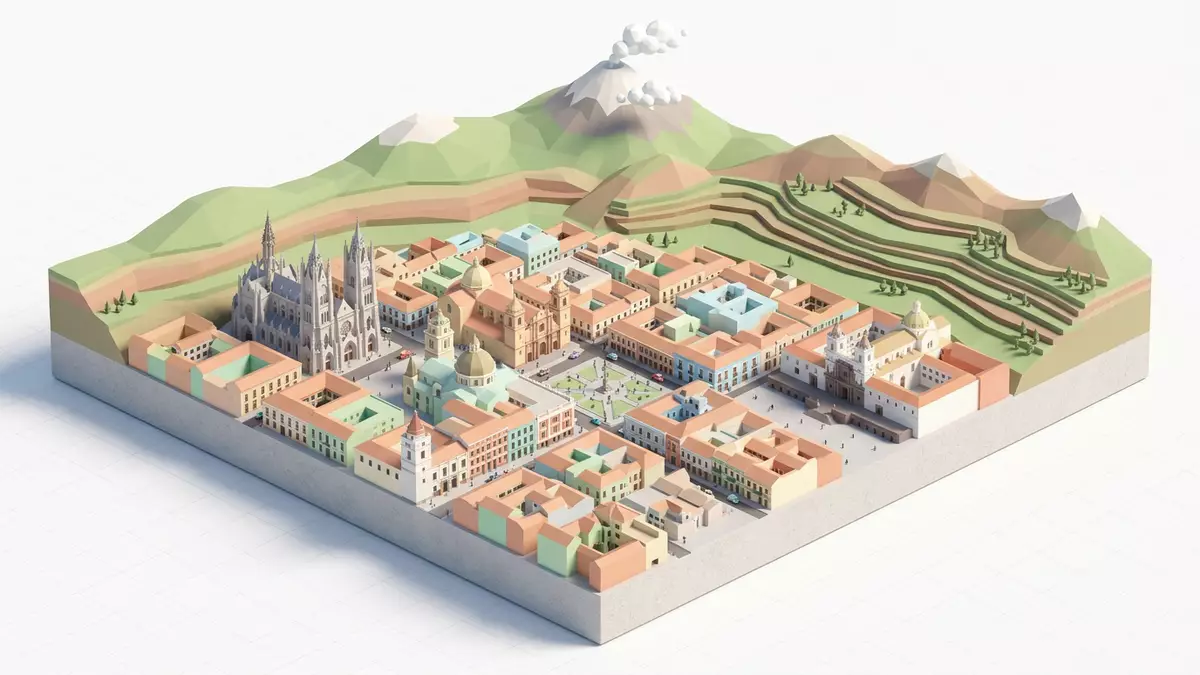
Quito has begun road rehabilitation in the Historic Centre of Quito (Centro Histórico de Quito), with the first works starting on 3 October 2026. The programme changes access around Carchi, Imbabura and later Bolívar streets while preserving routes towards the San Francisco Metro station.
Road rehabilitation reaches Quito's historic streets
The fourth phase of Quito's municipal road rehabilitation covers 13 streets and is planned to last 36 days. The city programme links the works to routes serving the San Francisco and La Carolina Metro stations, making the schedule relevant to visitors moving between public transport and the heritage district.
In the old centre, Carchi street is being treated between Cuenca and Sebastián de Benalcázar. Imbabura street is included from Rocafuerte to Babahoyo, with both sections scheduled for work from 3 to 19 October 2026. From 20 October 2026, the programme moves to Bolívar street. The municipal works schedule identifies the streets, dates and transport connections.
The work includes removing worn asphalt, compacting the road base, laying a new hot asphalt surface, adjusting drains and manholes, improving kerbs and applying road markings. The phased approach means that routes are altered by section rather than all access points being closed simultaneously.
Quito's World Heritage setting shapes the route changes
The road programme runs through a district whose street plan retains the historic urban structure. UNESCO describes Quito as founded in the sixteenth century on the ruins of an Inca city, with churches and monasteries including San Francisco, Santo Domingo and La Compañía representing the Baroque school of Quito.
The city stands at 2,850 metres above sea level, according to the UNESCO description of Quito. The Historic Centre of Quito was inscribed on the World Heritage List in 1978. That heritage context gives the October road works a practical consequence beyond traffic: visitors may encounter active repairs on streets that form part of the district's original urban network.
San Francisco is especially significant for the current schedule because the alternative routes and controlled transport movements are organised around the Metro station there. Travellers heading for the churches, squares and museums of the old centre should therefore treat the named streets as changing approach routes, not as a permanent closure of the heritage district.
How the October 2026 phases affect access
During work on Carchi, traffic is directed towards Sebastián de Benalcázar, Rubén Darío and Cuenca. Public transport on Imbabura is planned to pass in a controlled way at Babahoyo before continuing towards Mejía. Southbound and northbound movements also use the Mariscal Sucre avenue and the San Roque and San Juan tunnels.
The wider programme includes sections outside the historic centre, but the dates relevant to this landmark are clear. Carchi and Imbabura are scheduled for 3 to 19 October 2026, followed by Bolívar from 20 October 2026. The municipal notice says the work is part of a 13-street scheme covering four kilometres of road connections.
Visiting Historic Centre of Quito: what travellers from Western Europe should know
- The road rehabilitation in the Historic Centre begins on 3 October 2026. Carchi and Imbabura are scheduled through 19 October 2026, and Bolívar follows from 20 October 2026.
- Access is changed by work section rather than across the whole district. Approaches towards San Francisco use the listed alternative routes, while public transport at Imbabura is controlled.
- The district is in Quito, Ecuador. Relevant route names include Carchi, Imbabura, Bolívar, Sebastián de Benalcázar, Cuenca and the Mariscal Sucre avenue.
- The site is in the Andes at 2,850 metres above sea level. Streets, squares, churches and monasteries form the historic urban environment.
- Spanish is the official language of Ecuador and the national currency is the US dollar.
- Entry requirements depend on your nationality; UK travellers can check the FCDO travel advice at gov.uk/foreign-travel-advice, Irish travellers the Department of Foreign Affairs at ireland.ie.
Searching for Historic Centre of Quito on social platforms
These links open searches for Historic Centre of Quito on each platform.
Frequently asked questions about Historic Centre of Quito
When does the road rehabilitation take place at Historic Centre of Quito?
Carchi and Imbabura are scheduled for work from 3 to 19 October 2026. Bolívar follows from 20 October 2026.
What has changed at Historic Centre of Quito?
Road access is being redirected by work section, with alternative routes through Sebastián de Benalcázar, Rubén Darío and Cuenca. Public transport on Imbabura is controlled at Babahoyo.
Where is Historic Centre of Quito and how do you get there?
It is in Quito, Ecuador, with the San Francisco Metro station among the transport points linked to the works. Routes through the Mariscal Sucre avenue and the San Roque and San Juan tunnels are named as alternatives.


