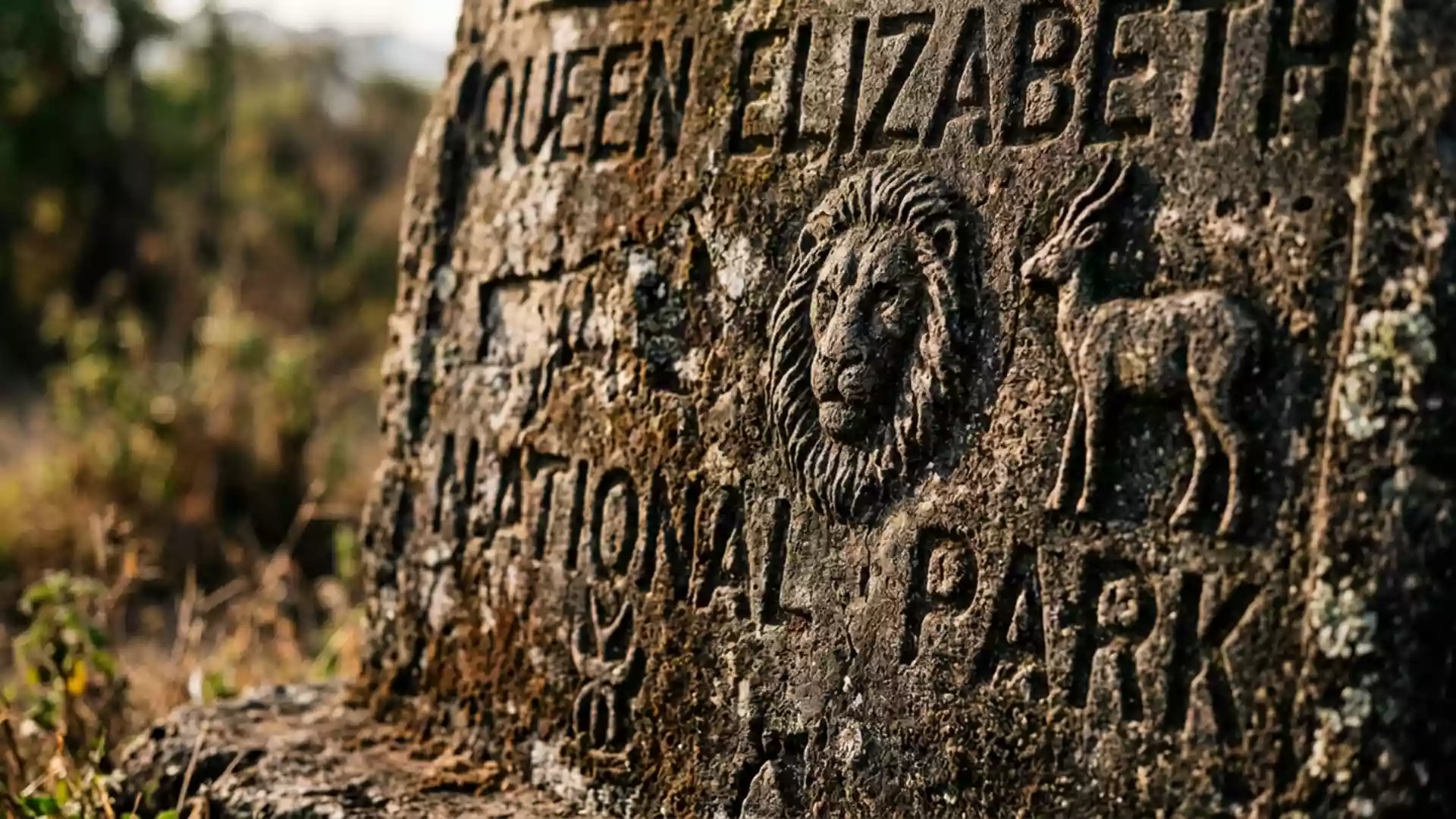
Queen Elizabeth National Park faces plastics plan on 24 November
Published on 11/28/2026 at 08:03 | Editorial responsibility: Rafael Müller, Editor-in-Chief AD HOC NEWSWaste rules and wildlife evidence
- UWA announced its plastics plan on 24 November 2026 after research in Queen Elizabeth National Park.
- Uganda Wildlife Authority guidelines have been approved, while an implementation plan is still pending.
- Queen Elizabeth National Park lies on the equator and includes the Kazinga Channel between Lake George and Lake Edward.
- UWA reports that plastics made up approximately 70 percent of waste recorded in protected areas.
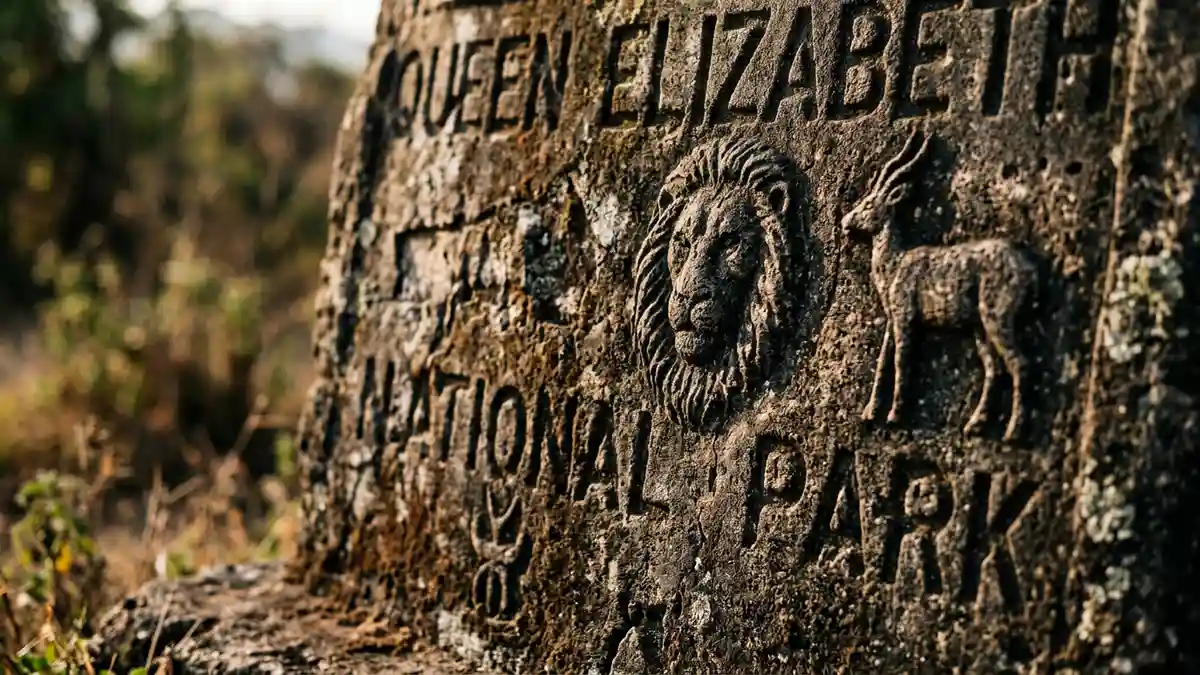
Queen Elizabeth National Park and a new single-use plastics plan were linked by Uganda Wildlife Authority on 24 November 2026, after research found polythene in elephant dung at the protected area in western Uganda. The announcement matters to travellers reaching the park from Kasese because it points towards stricter waste practices, although the wider ban is not yet in force.
The park is also known by its local name, Queen Elizabeth National Park, which is identical to its established English name.
UWA outlines plastics measures on 24 November
UWA said it was preparing to ban single-use plastics in national parks and other protected areas. Its announcement followed an East African workshop on waste management and circular economies at the Uganda Wildlife Conservation Education Centre in Entebbe.
The authority has developed waste management guidelines approved by its Board of Trustees. An implementation plan is still pending, so the announcement describes a planned change rather than a new rule already applied to every visitor. UWA outlines the plastics measures and says visitors should take away what they bring into protected areas.
UWA cited an assessment in which plastics, particularly single-use items, represented approximately 70 percent of recorded waste in protected areas. The same announcement identified sanitation and waste management concerns in fishing villages within the park.
Elephant research connects waste with the park
The immediate link to the attraction is research conducted in Queen Elizabeth National Park. UWA said traces of polythene were found in elephant dung, evidence that plastic waste is entering wildlife habitats rather than remaining only a roadside or settlement problem.
That finding gives the policy announcement a specific connection to the safari landscape. The authority is asking visitors, tourism operators, communities and public bodies to support better waste handling, while the implementation plan is being prepared. A separate report also records that UWA guidelines have been approved and the enforcement plan has yet to be completed. The reported policy details do not announce a completed park-wide ban.
Why waste matters at Queen Elizabeth National Park
The protected area lies on the equator and includes savannah, forest, wetlands, crater lakes and the Kazinga Channel. The channel links Lake George with Lake Edward and is associated with hippos, crocodiles, elephants, buffaloes and waterbirds.
UWA describes the park as a habitat for more than 95 mammal species and more than 600 bird species. Its tourism areas include Mweya Peninsula, the Kazinga Channel, the Kasenyi plains, Ishasha and Kyambura Gorge. Plastic control therefore relates to waterways, wildlife viewing areas and communities within the wider protected landscape.
The park was created in 1952 as Kazinga National Park and renamed two years later after a visit by Queen Elizabeth II. That history places the current environmental announcement within a long-running conservation site rather than a temporary event venue.
Visiting Queen Elizabeth National Park: what travellers from Western Europe should know
- UWA announced the plastics measures on 24 November 2026; the implementation plan was still pending at that date.
- Visitors should take all items brought into the park back out, following UWA's garbage in, garbage out principle; no completed park-wide ban was announced.
- The main tourism hub is Mweya Peninsula, beside the Kazinga Channel and Lake Edward, while Kasese is the nearby reference town.
- Road access is available from Kampala through Fort Portal or through Mbarara and Bushenyi, while flights can be arranged to Kasese, Mweya or Ishasha airstrips.
- Entry requirements depend on your nationality; UK travellers can check the FCDO travel advice at gov.uk/foreign-travel-advice, Irish travellers the Department of Foreign Affairs at ireland.ie.
Searching for Queen Elizabeth National Park on social platforms
These links open searches for Queen Elizabeth National Park on each platform.
Frequently asked questions about Queen Elizabeth National Park
What changed at Queen Elizabeth National Park on 24 November 2026?
UWA announced preparations for restrictions on single-use plastics and said its waste management guidelines had been approved. The implementation plan was still pending.
What did research find at Queen Elizabeth National Park?
UWA said research found traces of polythene in elephant dung, linking plastic waste with wildlife habitats in the park.
Where is Queen Elizabeth National Park and how do you get there?
The park lies on the equator in western Uganda, with Kasese as a nearby reference town. Road approaches run through Fort Portal or Mbarara and Bushenyi, and flights can reach Kasese, Mweya or Ishasha.