
Queen Elizabeth National Park between lakes, savanna and craters
Published on 09/04/2026 at 21:33 | Editorial responsibility: Rafael Müller, Editor-in-Chief AD HOC NEWS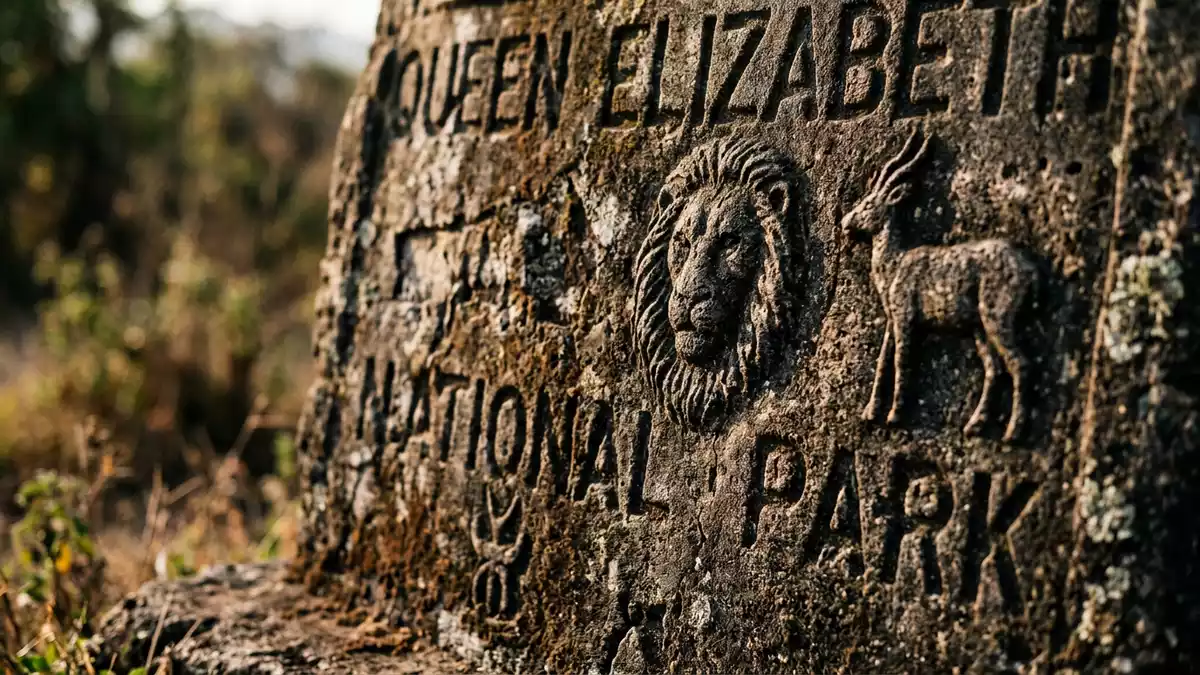
Queen Elizabeth National Park in western Uganda spreads across the plains and escarpments around Kasese, where savanna, lakes and volcanic crater fields meet in a single protected landscape. The park was established as Kazinga National Park in 1952 and later renamed in honour of Queen Elizabeth II, making it one of Uganda’s longest?standing national parks and a cornerstone of conservation in the Western Rift Valley.established in 1952
Where water, Rift Valley plains and ancient craters meet
Queen Elizabeth National Park lies in the Western Rift Valley east of Lake Edward, with its protected area extending between Lake George and Lake Edward and along the Kazinga Channel that links the two lakes.extends from Lake George to Lake Edward The park occupies an area of about 1,978 square kilometres (764 square miles), a size that allows for broad sweeps of grassland as well as wetlands and forest patches.764 square miles Kasese lies just outside the park’s north?eastern boundary, so the transition from town to protected savanna is relatively direct.Kasese just outside the northeastern edge
The landscape is framed by the foothills of the Rwenzori Mountains to the north and rises from low, warm plains to higher ground punctuated by volcanic craters, many of them formed during the Pleistocene Epoch.volcanic craters of the Pleistocene Epoch Some craters hold small lakes, while others form dry depressions with steep inner walls and views across the Rift Valley floor. These visible traces of ancient volcanism run alongside papyrus fringes on the lakeshores and the broad waters of the Kazinga Channel, which cuts across the centre of the park as a navigable stretch of the valley’s drainage system.
Savanna, forest and wetland habitats across one protected area
Vegetation in Queen Elizabeth National Park ranges from open savanna grassland with scattered acacia trees to patches of evergreen forest and denser bush, reflecting changes in altitude, soil and moisture within the conservation area.savanna grassland and thickets The park forms the core of the wider Queen Elizabeth Protected Area, which also includes Kyambura and Kigezi Wildlife Reserves, spreading across districts such as Kasese, Rubirizi, Kamwenge and Rukungiri on the equator in the Albertine Rift Valley.located on the equator in the Albertine Rift Valley Within this mosaic, open plains support grazing mammals, while denser woodland and forest corridors shelter primates and forest birds.
Wetlands around Lake George and along the Kazinga Channel are recognised for their rich birdlife, including species associated with papyrus swamps and open water.Important Bird Area Parts of the park and adjoining reserves are listed under the Man and the Biosphere Programme as the Queen Elizabeth Biosphere Reserve, reflecting its value as a large protected area where human activity and conservation sit side by side.Queen Elizabeth Biosphere Reserve Settlements and smallholder farms lie beyond the park boundary, but within the protected area the dominant impression is of wide, open country broken by crater rims, escarpments and water.
Wildlife viewing along tracks and on the Kazinga Channel
Queen Elizabeth National Park is known for its concentration of large mammals, with recorded species including elephants, lions, leopards, hippopotamuses, African buffalo and several antelope species such as kob and topi.elephants, lions and antelopes Chimpanzees inhabit forested areas within the wider protected complex, particularly around Kyambura Gorge, adding primate viewing to the range of possible wildlife encounters.chimpanzees recorded in QEPA Drives on established tracks cross the grasslands, while boat trips on the Kazinga Channel follow the water’s edge where hippos, crocodiles and waterbirds can often be seen resting or feeding.
The park’s birdlife is particularly rich, with dozens of kingfisher species, raptors and wetland birds recorded across its varied habitats.rich avian fauna Crater rims and higher viewpoints offer broad vistas over the plains and lakes, giving a sense of how the different ecosystems link together across the protected area. Because the park sits on the equator, the light during the day tends to be direct and strong, and sunrise and sunset bring distinct colour changes over the savanna, the lakes and the distant Rwenzori slopes.
Visiting Queen Elizabeth National Park: what travellers from Western Europe should know
- Queen Elizabeth National Park is in western Uganda, with the town of Kasese lying just outside its north?eastern boundary and road approaches running through towns such as Fort Portal and Mbarara.
- The park terrain includes flat savanna plains, gentle rises and steeper crater rims; approaches to viewpoints can involve walking up short but noticeably inclined paths on uneven ground.
- The official language in Uganda is English and the currency is the Ugandan shilling.
- Entry requirements depend on your nationality; UK travellers can check the FCDO travel advice at gov.uk/foreign-travel-advice, Irish travellers the Department of Foreign Affairs at ireland.ie.
Searching for Queen Elizabeth National Park on social platforms
These links open searches for Queen Elizabeth National Park on each platform.
Frequently asked questions about Queen Elizabeth National Park
Where is Queen Elizabeth National Park in relation to Kasese?
Queen Elizabeth National Park lies in western Uganda on the floor of the Western Rift Valley, with Kasese town just outside its north?eastern boundary.
What can visitors expect when exploring the park?
Visitors can expect extensive savanna plains, volcanic crater fields, lakes linked by the Kazinga Channel and a broad range of wildlife, including large mammals and many bird species.
What makes Queen Elizabeth National Park distinctive among Ugandan parks?
The combination of Rift Valley scenery, crater lakes, major water bodies and varied habitats within one protected area gives Queen Elizabeth National Park a distinctive character among Uganda’s national parks.


