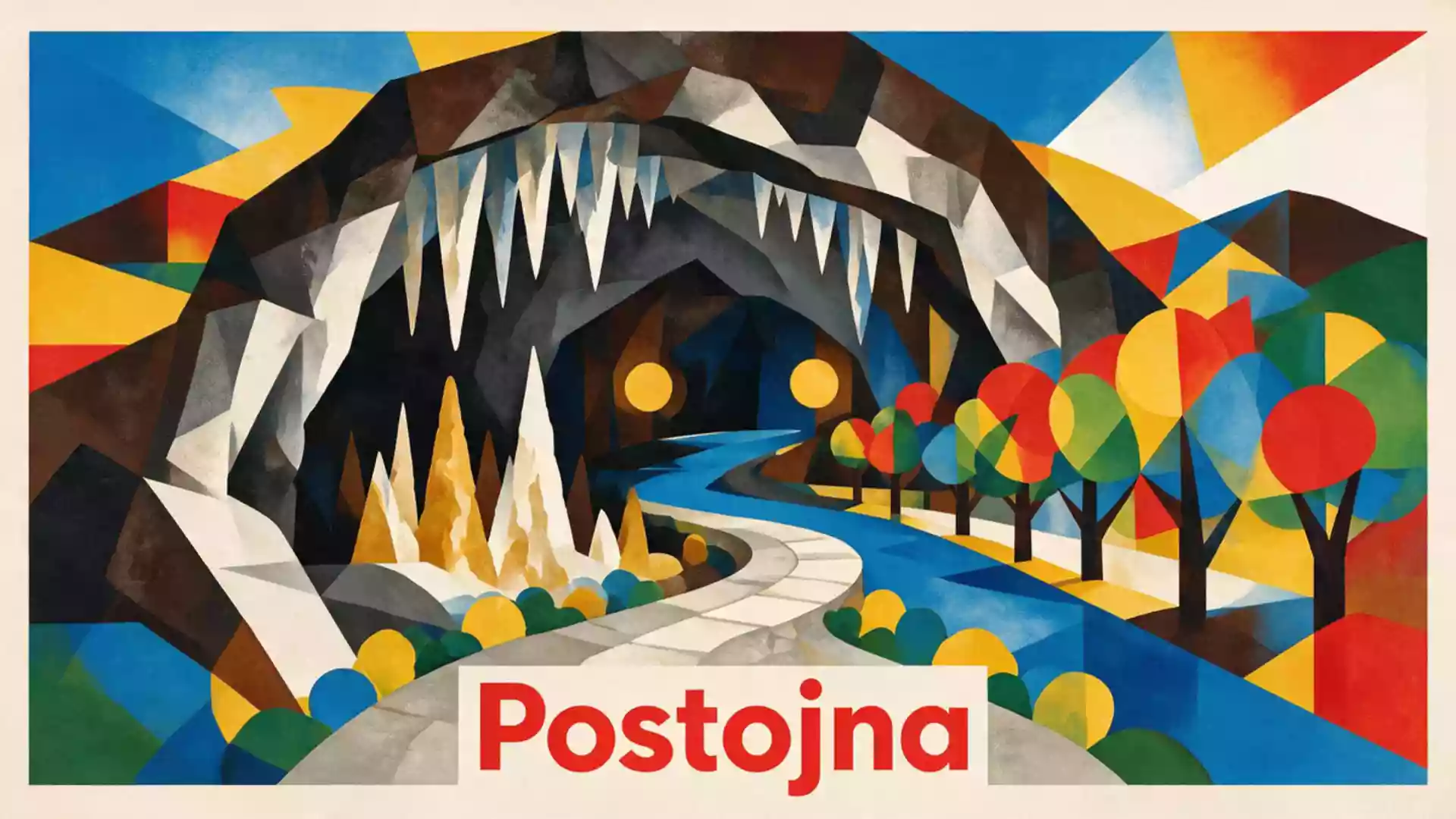
Postojnska jama, Slovenia’s great karst underground world
Published on 09/10/2026 at 21:21 | Editorial responsibility: Rafael Müller, Editor-in-Chief AD HOC NEWS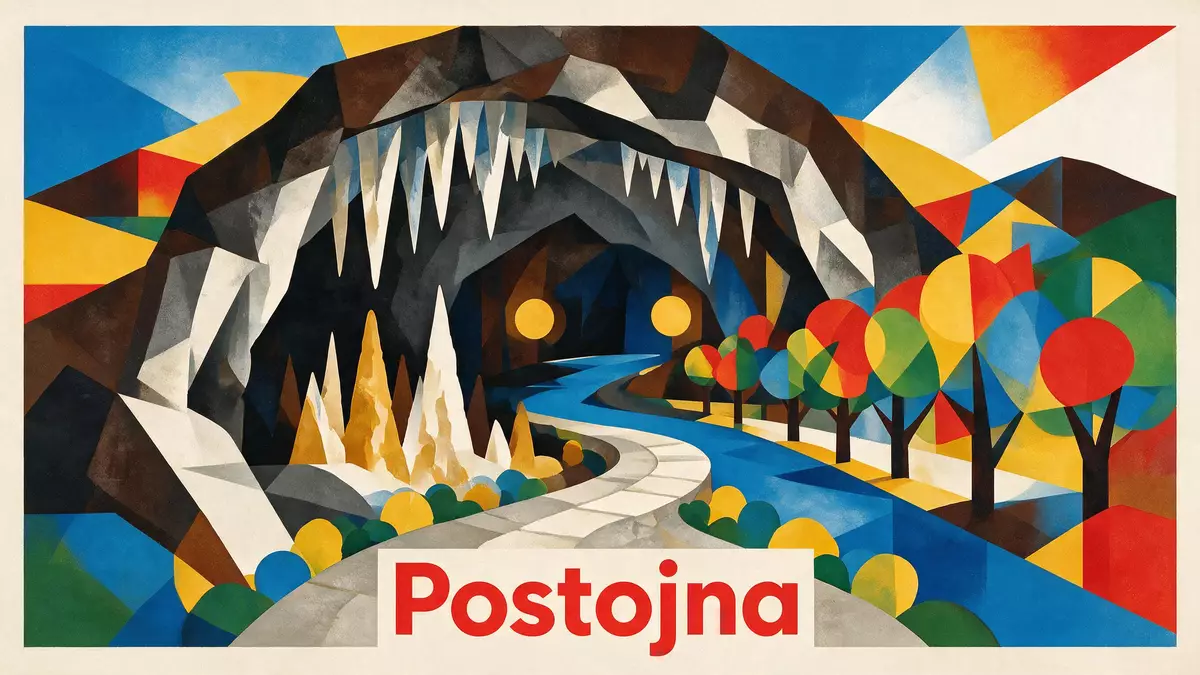
Postojnska jama, known in English as Postojna Cave, is a far-reaching karst cave system running beneath the town of Postojna in south-western Slovenia. Stretching for more than 20 km through limestone hills shaped by the Pivka River, it forms a connected world of chambers, galleries and tunnels that has drawn organised visitors since the early nineteenth century.Postojna Cave is described as a long karst cave system near Postojna
A layered karst labyrinth beneath Postojna
The explored passages of Postojnska jama extend for more than 24 km underground, mapped across several levels that reflect the long geological history of the Classical Karst plateau above Postojna.Survey data records over 24,000 m of tunnels The cave system follows the route of the Pivka River, which carved its way through thick beds of limestone to create a sequence of channels, halls and side galleries.The caves were formed by the Pivka River cutting into the karst rock
Postojnska jama belongs to the wider karst region known locally as Kras, a landscape where soluble rock, underground rivers and sinkholes combine to produce deep cave systems and unusual surface relief.The term karst is linked to the Slovenian name Kras Within the cave, the rock shows this history in cross-section: massive grey limestone walls give way to bands of flowstone and speleothems, while dry fossil passages stand above lower levels that still carry the underground river. The mapped depth reaches around 115 m below the surface, making Postojnska jama one of the deepest explored tourist cave systems in the Dinaric Karst.Measurements note a maximum documented depth of 115 m
Chambers, formations and the cave railway
Visitors encounter Postojnska jama through a sequence of large chambers connected by narrower tunnels, with a mix of cavernous spaces and more intimate corridors. The show cave route includes richly decorated halls where stalactites hang from the ceiling and stalagmites rise from the floor, meeting in places as columns of calcite built up over long periods by dripping mineral water.Descriptions highlight galleries and chambers with extensive speleothems Flowstone drapes, delicate needle-like growths and terraces of mineral deposits line many walls, giving the interiors a varied texture from smooth polished surfaces to rugged, irregular formations.
One of the distinctive features of Postojnska jama is the underground railway that carries visitors deep into the system. A cave railway was first set up in the nineteenth century, with documented opening on 16 June 1872, making it one of the earliest railways dedicated to underground tourism.Historical accounts describe the first documented underground cave railway opening in 1872 Early trains were pushed by guides through the horizontal passages before locomotives were introduced; later modern rolling stock continued the tradition of entering the cave by rail.Narratives recount guides pushing early cave trains and later locomotives Electric lighting arrived in the 1880s, turning the journey into a spectacle of illuminated rock and shadowed recesses rather than a torchlit expedition.
Cave tourism, history and living “dragons”
Evidence of visits to Postojnska jama goes back many centuries, with graffiti from 1213 marking an early recorded presence inside the cave.Historical summaries note a first known visit dated 1213 Organised tourism began in the early nineteenth century, when new parts of the cave were prepared for a visit by Archduke Ferdinand in 1819 and pathways with lighting were installed.Records mention preparations in 1818 and a visit by Prince Ferdinand in 1819 Postojnska jama has therefore been a managed destination for cave tourism for more than 200 years, with successive phases of infrastructure, from early walkways to rail lines and modern installations.
The cave is also known for its population of proteus, an aquatic salamander long nicknamed “baby dragons” in local lore. These blind, pale animals live in underground waters of the Dinaric Karst and have become closely associated with Postojnska jama as emblematic inhabitants of the dark lake and river systems.Stories about the cave refer to living “dragons” in the underground waters Alongside the biological interest, the cave has played roles in regional history, including the construction of bridges and infrastructure within its chambers and its use as a site linked to wider events in the twentieth century.Accounts describe features such as the Ruski Most built during wartime
Visiting Postojnska jama: what travellers from Western Europe should know
- Postojnska jama lies beneath the town of Postojna in south-western Slovenia, with access from Jamska cesta on the edge of the settlement where the cave park is located.Location details place the cave at Jamska cesta in Postojna
- The main visitor route combines a rail segment and a walk through cave chambers, where the terrain consists of solid rock paths, steps and gently graded sections through large underground spaces.
- Postojnska jama forms part of a wider cave system that includes natural and historical entrances such as Otoška jama, Magdalena jama, ?rna jama and Pivka jama, all connected within the karst plateau above Postojna.Survey descriptions list linked caves including Otoška, Magdalena, ?rna and Pivka
- The official language is Slovene and the currency is the euro.
Searching for Postojnska jama on social platforms
These links open searches for Postojnska jama on each platform.Frequently asked questions about Postojnska jama
Where is Postojnska jama located?
Postojnska jama lies beneath the town of Postojna in south-western Slovenia, along the valley of the Pivka River on the Classical Karst plateau.Location summaries place the cave near Postojna in Slovenia
What can visitors expect inside the cave?
The show route combines an underground railway with a guided walk through large chambers, galleries and tunnels lined with stalactites, stalagmites, flowstone and other limestone formations.Visitor descriptions emphasise a trail through decorated underground spaces
What makes Postojnska jama distinctive among caves?
Postojnska jama stands out for its long mapped karst system, the early underground railway dating from 1872 and the presence of proteus salamanders that have become symbolic “dragons” of the cave’s waters.Historical notes highlight the 1872 cave railwayNarratives link Postojna Cave with “baby dragon” proteus