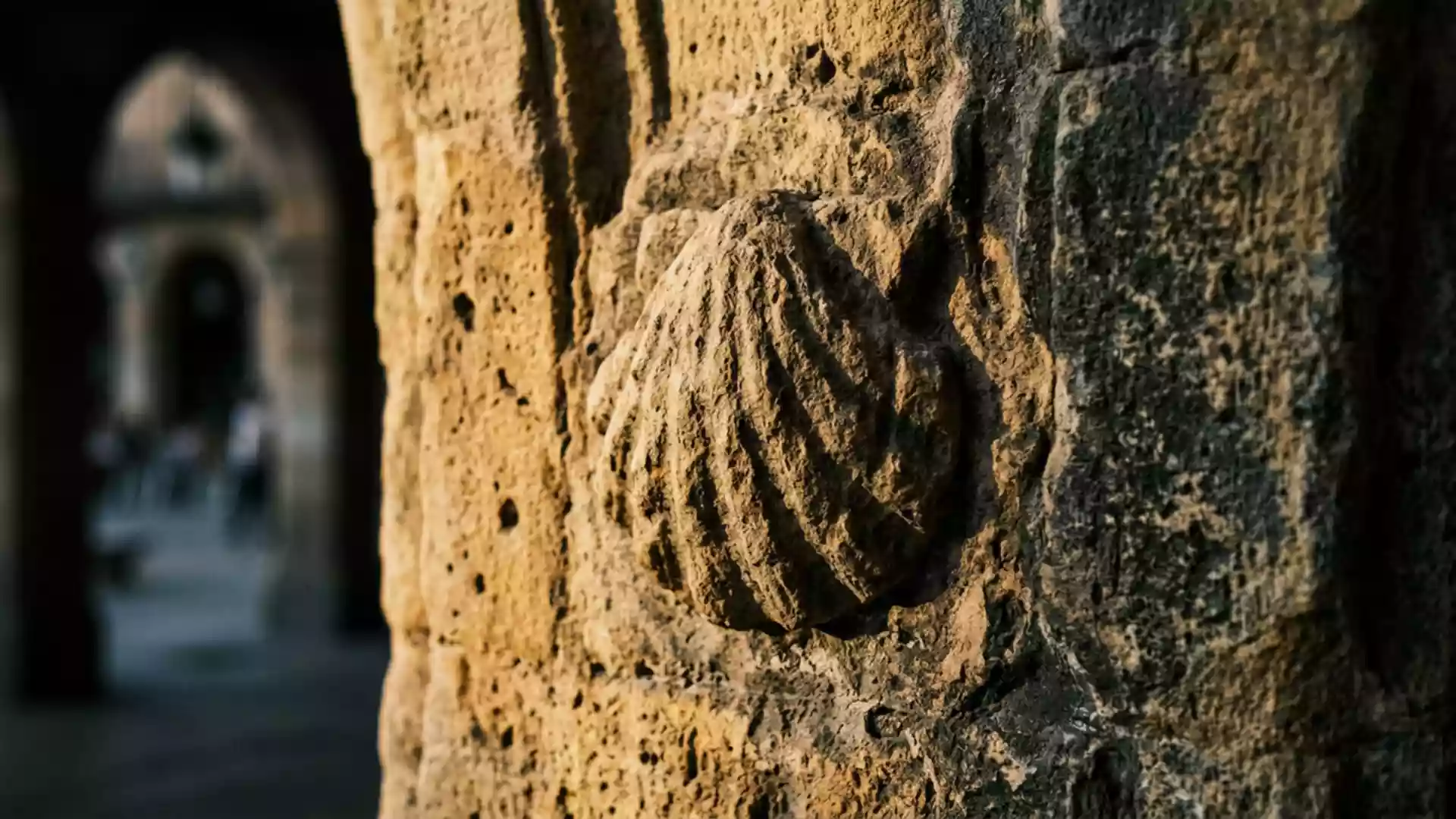
Plaza Mayor in Salamanca and its golden Baroque arcades
Published on 09/11/2026 at 21:53 | Editorial responsibility: Rafael Müller, Editor-in-Chief AD HOC NEWS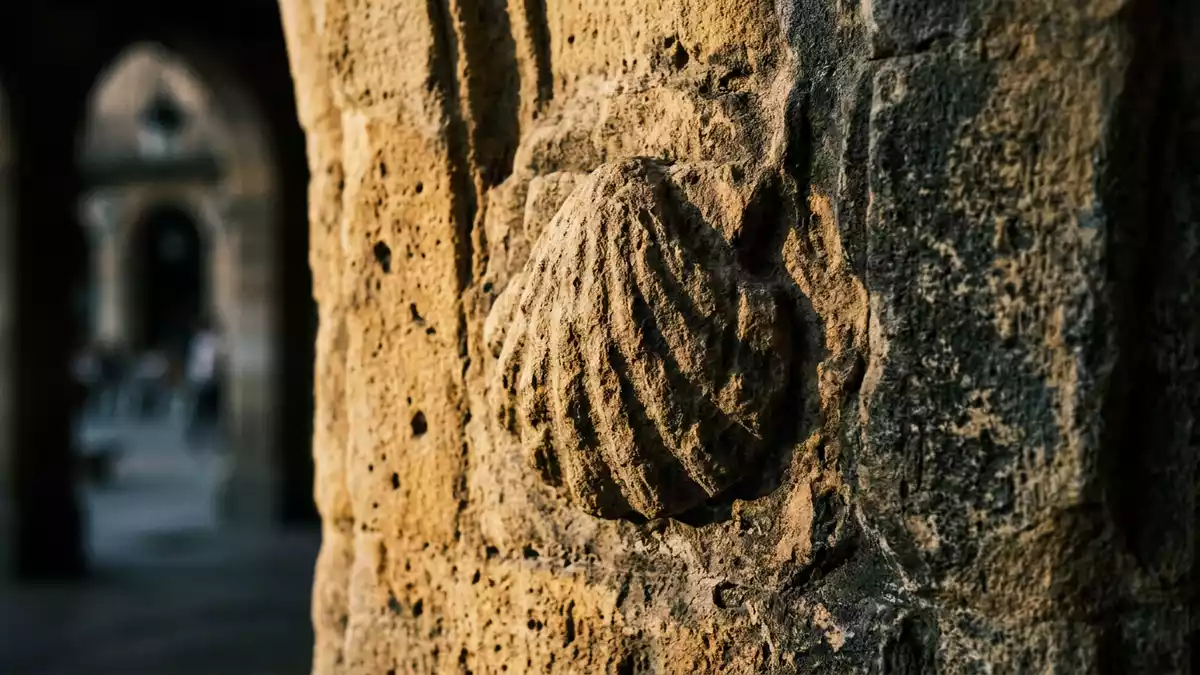
Plaza Mayor in Salamanca is an eighteenth?century Baroque square enclosed by arcaded façades of golden sandstone, forming an urban space that reads as a single architectural room. Built between 1729 and the mid?1750s under King Philip V, it reshaped a medieval market field into a more regular civic square framed by continuous galleries and upper?storey rooms.
A Baroque room under the open sky
Standing at the centre of Plaza Mayor, the defining impression is of a vast room without a roof, bounded on all sides by uniform façades and arcades in warm sandstone. The square is surrounded by buildings in Spanish Baroque style, with rhythmically ordered balconies and sculpted details that wrap the space as a continuous architectural frame.Spanish Baroque style The design is attributed to the architect Alberto de Churriguera, whose name is associated with the Churriguera family and the exuberant current of Baroque architecture in Spain.architect Alberto de Churriguera
The proportions of Plaza Mayor follow a clear rectangular plan, with façades that keep a similar height and continuous arcades at ground level, giving the square a sense of enclosure without turning it into a courtyard. Above the arches, rows of windows and balconies line up along cornices and pilasters, and sculpted medallions punctuate the upper levels, marking figures from Spanish history along the walls.arcaded façades in golden sandstone The stone itself takes on a golden tone, especially in angled light, giving the square its characteristic colour and linking it to other sandstone architecture in Salamanca.
From medieval market field to eighteenth?century civic square
Long before the eighteenth?century works, the area of Plaza Mayor formed part of a larger open space used for urban trade and festivities near the city walls and the church of San Martín. From the fifteenth century this earlier field was known as Plaza de San Martín and extended across what later became separate spaces for the market and adjoining streets.Plaza de San Martín In the eighteenth century, municipal authorities and the royal representative reshaped that dispersed area into a more regular Plaza Mayor, concentrating civic life within a defined rectangle of arcades.
Construction of the present Plaza Mayor began in 1729 and continued in phases for more than two decades, with Alberto de Churriguera overseeing the initial pavilions and other architects continuing the scheme.construction began in 1729 Work during the reign of Philip V led to a square in Baroque style that served as both civic forum and market, replacing the older, less regular field.reign of Philip V The phases of building extended into the mid?1750s, by which time the main façades and arcades were in place and Plaza Mayor had taken on its enduring form.
Arcades, pavilions and city life
At ground level, Plaza Mayor is ringed by arcades that shelter cafés, shops and entrances, creating a continuous walkway around the square beneath the upper?storey rooms. The arches rest on columns with Doric capitals, and their repetition establishes a steady rhythm that guides the eye along the perimeter.arches supported by Doric columns Behind the arcades, the façades include recessed balconies and sculpted ornamentation that contribute to the square’s theatrical character.
The northern side of Plaza Mayor is marked by the pavilion that houses Salamanca’s City Hall, associated with later phases of construction under architect Andrés García de Quiñones.City Hall pavilion Historically the square has hosted proclamations, religious ceremonies and public gatherings, and in earlier centuries it served as an arena for bullfights held on sand laid over the paving until the nineteenth century.bullfighting until the mid nineteenth century Today it functions as a central meeting place in Salamanca, where everyday circulation crosses the open space and pauses under the arcades.
Visiting Plaza Mayor: what travellers from Western Europe should know
- Plaza Mayor lies in the historic centre of Salamanca, a city in western Spain, and is reached on foot from the principal streets linking the university quarter with commercial areas.
- The square itself is level and paved, but the surrounding arcades include steps at intervals, and some staircases in the perimeter buildings are narrow and steep.
- Within sight of Plaza Mayor are the covered Central Market halls and several historic churches, including San Martín, which recall the site’s earlier role as the medieval Plaza de San Martín.
- The official language is Spanish and the currency is the euro.
Searching for Plaza Mayor on social platforms
These links open searches for Plaza Mayor on each platform.
Frequently asked questions about Plaza Mayor
Where is Plaza Mayor in Salamanca located?
Plaza Mayor stands in the historic centre of Salamanca in western Spain, close to the former medieval Plaza de San Martín and within the inner city streets.
What can visitors expect when they enter the square?
Visitors encounter a large rectangular space enclosed by Baroque façades in golden sandstone, with arcades around the perimeter housing cafés, shops and access to surrounding buildings.
What makes Plaza Mayor distinctive among Spanish squares?
Its eighteenth?century Baroque architecture, continuous ring of arcades and warm sandstone façades combine a civic forum and market into a single unified urban room that defines Salamanca’s centre.