
Plaza Mayor in Salamanca: a golden Baroque square
Published on 09/23/2026 at 19:36 | Editorial responsibility: Rafael Müller, Editor-in-Chief AD HOC NEWS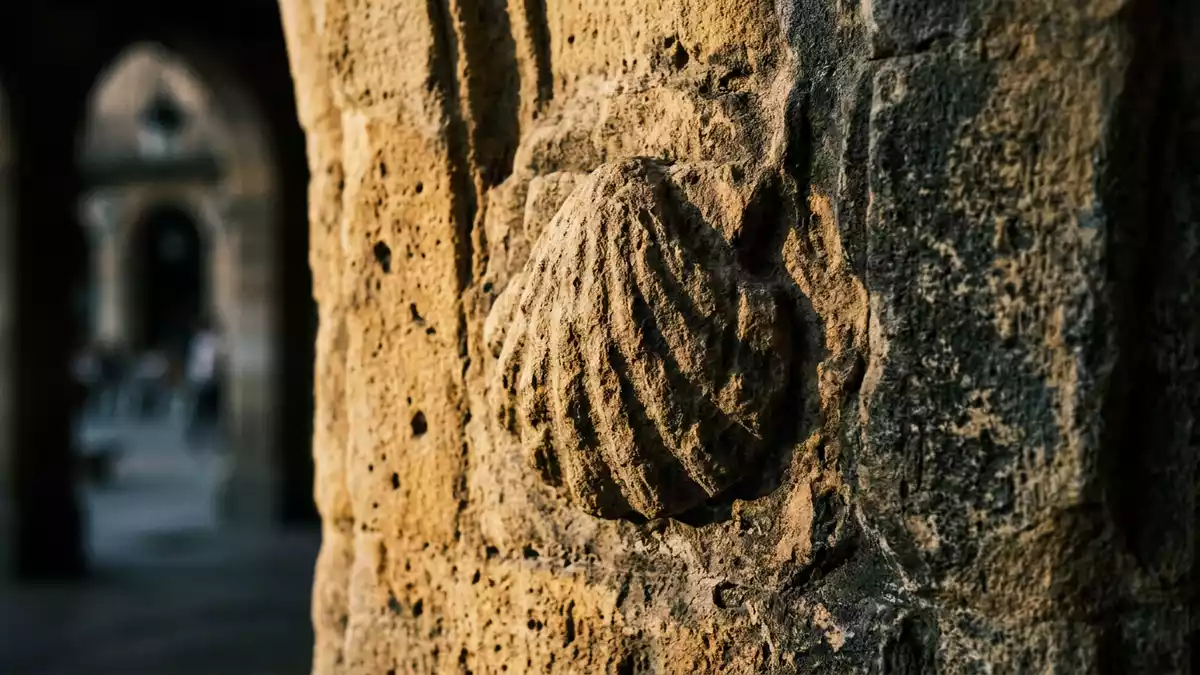
Plaza Mayor is Salamanca’s great enclosed civic square, lined with golden sandstone arcades and continuous façades. Its present form belongs to the eighteenth century, when work began in 1729 under Alberto de Churriguera and reached completion in 1755.
Plaza Mayor and the language of golden sandstone
The square is built from the warm sandstone associated with Salamanca. Arcades run along its perimeter, while balconies and repeated architectural bays create a continuous frame around the open centre. The stone’s colour changes with daylight, linking Plaza Mayor visually to the surrounding historic city.
Its Baroque character comes through in the combination of order and ornament. Pilasters, mouldings, balustrades and carved details sit within a carefully repeated façade system. The result is a square that reads as one architectural composition, even though its sides contain distinct pavilions and civic buildings.
The name most closely associated with the project is Alberto de Churriguera. His work places Plaza Mayor within the Churrigueresque current of Spanish Baroque architecture, a style known for rich surface decoration and elaborate stonework.
From Alberto de Churriguera to Andrés García de Quiñones
Construction began in 1729 during the reign of Philip V. Alberto de Churriguera directed the first phase, which included the Royal Pavilion and the San Martín Pavilion. His nephew Manuel de Lara Churriguera and other architects carried the work forward.
The final stages involved Andrés García de Quiñones, whose work included the Town Hall and the completion of the square’s architectural enclosure. The building history therefore connects several members of the Churriguera family with the later civic architecture of Salamanca.
The project unfolded in phases between 1729 and 1755, a period recorded in the UNESCO description of Salamanca. The square forms part of Salamanca’s Old City, a World Heritage site whose historic fabric includes Romanesque, Gothic, Renaissance and Baroque buildings.
Arcades, pavilions and a civic stage
Each side of Plaza Mayor contains named architectural elements. The Royal Pavilion occupies the eastern side, while the San Martín Pavilion forms the southern side. The northern side includes the Town Hall, with its clock tower and sculpted façade.
Medallions set into the arcades show figures from Spanish history. Their portraits turn the surrounding walls into a sequence of civic and royal references, while the open centre remains available for public life.
Plaza Mayor has served as a market space, a setting for proclamations and a venue for bullfights. Its original association with bullfighting belongs to the square’s eighteenth-century civic function, while the arcades and balconies remain the lasting architectural features.
The square’s relationship with public life also appears in its connection to Salamanca’s university city. Streets from the historic centre lead towards the arcades, and cafés, shops and municipal buildings occupy the surrounding urban fabric. The architecture remains legible from the centre of the plaza, where the façades form an uninterrupted visual boundary.
Visiting Plaza Mayor: what travellers from Western Europe should know
- Plaza Mayor lies in the centre of Salamanca, within the Old City. The square is reached through the pedestrian streets around Calle Mayor and the historic centre.
- The centre is paved and open, while the surrounding arcades provide covered passages beneath the façades. Access from nearby streets involves level urban walking and occasional steps.
- Salamanca’s official language is Spanish, and the currency is the euro.
- The square connects directly with Salamanca’s historic centre, including the university quarter, the Casa de las Conchas and the city’s cathedral complex.
Searching for Plaza Mayor on social platforms
These links open searches for Plaza Mayor on each platform.
Frequently asked questions about Plaza Mayor
Where is Plaza Mayor?
Plaza Mayor is in the centre of Salamanca, in the Spanish region of Castile and León. It belongs to the city’s historic centre and sits close to the university and cathedral quarter.
What can visitors expect at Plaza Mayor?
Visitors encounter an open paved square enclosed by sandstone arcades, balconies and civic façades. Named pavilions, carved medallions and the Town Hall provide the principal architectural details.
What makes Plaza Mayor distinctive?
Its distinctive character comes from the unified Baroque composition and the golden sandstone used across the façades. Alberto de Churriguera began the project in 1729, and Andrés García de Quiñones completed it in 1755.


