
Plain of Jars, Laos’ stone vessels of the Xieng Khouang plateau
Published on 08/12/2026 at 14:28 | Editorial responsibility: Rafael Müller, Editor-in-Chief AD HOC NEWS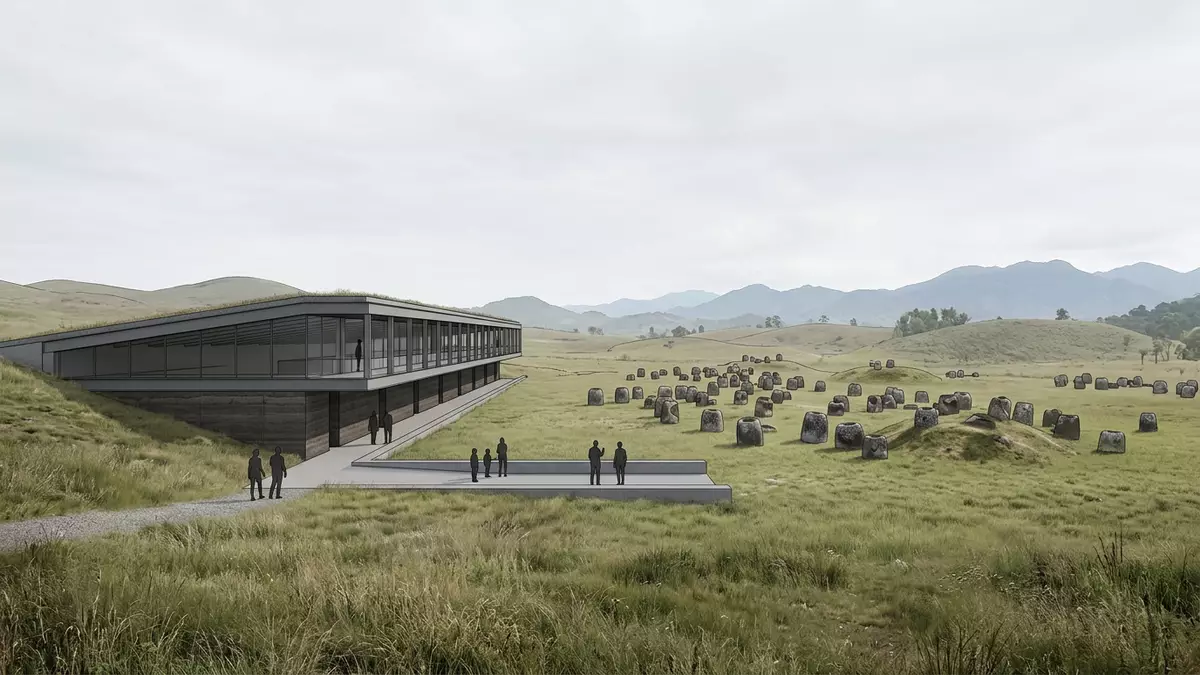
On the high plateau around Phonsavan in northern Laos, the Plain of Jars spreads hundreds of megalithic stone vessels across grassy fields and low hills, forming an open-air archaeological landscape that still defies easy explanation. The jars belong to an Iron Age mortuary complex dating between roughly 500 BCE and 500 CE, and fifteen of its sites are inscribed on the UNESCO World Heritage List as the “Megalithic Jar Sites in Xiengkhuang – Plain of Jars”.UNESCO World Heritage listing
Stone jars scattered across a Lao plateau
The Plain of Jars takes its name from more than 2,100 large stone vessels distributed across the Xieng Khouang plateau in central-northern Laos.More than 2,100 megalithic stone vessels The jars appear alone or in clusters, some concentrated into sizeable fields such as Site 1 near Phonsavan, others scattered in smaller groups among farmland and patches of woodland.Site 1 assemblage near Phonsavan
Most jars are carved from sandstone, though a number use other rocks including granite and limestone, and they stand directly on the ground with no built platform.Sandstone and other rock types Individual vessels range roughly from human height up to several metres tall, and many are weathered and lichen-covered, blending into the plateau’s muted greens and browns rather than standing apart as polished monuments.Jar size and materials
An Iron Age mortuary landscape
Excavations across the Plain of Jars show that the jars form part of a wider mortuary landscape, with burials, stone discs and grave markers clustered around many of the main sites.Associated funerary elements Archaeological work places the principal phase of use between the Iron Age centuries around 500 BCE to 500 CE, though some activity at the sites continued later, creating a layered burial record.Iron Age dating on the plateau
Researchers have uncovered human remains, glass beads, iron tools and ceramics in the soil around the jars, as well as stone discs that seem to mark graves or seal some vessels, and together these finds indicate a complex sequence of funerary practices.Burials and grave goods The working interpretation is that the jars were used at one stage in a multi-phase burial process, with bodies placed inside the stone containers before their bones were reburied nearby, a practice that connects the jars with the surrounding ground rather than treating them as isolated monuments.Prehistoric mortuary landscape
Phonsavan and the accessible jar sites
Phonsavan, the capital of Xieng Khouang province, serves as the modern gateway to the Plain of Jars, and the most accessible jar fields sit within an arc of countryside around the town.Jar sites around Phonsavan Among these, Sites 1, 2 and 3 are established visitor locations where paths lead through the jars, passing low earthen mounds and occasional stone discs at the edges of the fields.Sites 1, 2 and 3
Across the broader plateau, more than ninety jar sites have been identified, from small clusters to larger assemblages, and fifteen of these component areas form the UNESCO serial property that anchors the Plain of Jars within a recognised heritage framework.Archaeological project inventory The mix of open grassland, cultivated plots and tree-covered knolls gives each jar field a slightly different character, yet the repeated presence of these carved vessels ties them into a single landscape that links present-day Phonsavan with a largely undocumented Iron Age society.
Visiting Plain of Jars: what travellers from Western Europe should know
- The Plain of Jars lies on the Xieng Khouang plateau in central-northern Laos, with main visitor sites in the countryside around Phonsavan, reached by road from other Lao towns.
- At the jar fields, paths cross uneven ground and low slopes, and reaching clusters of jars involves walking over grass, soil and occasional rocky patches rather than paved surfaces.
- The plateau sits at a moderate elevation, and visits to the jars involve time outdoors in open terrain with little shade, so travellers encounter strong sun and weather exposure in the fields.
- Rural villages and farmland surround several jar sites, and views from the jars often extend across open countryside framed by low hills and distant ridges of the Xieng Khouang plateau.
- The official language is Lao and the currency is the Lao kip; entry requirements depend on your nationality, UK travellers can check the FCDO travel advice at gov.uk/foreign-travel-advice, Irish travellers the Department of Foreign Affairs at ireland.ie.
Searching for Plain of Jars on social platforms
These links open searches for Plain of Jars on each platform.Frequently asked questions about Plain of Jars
Where is the Plain of Jars located?
The Plain of Jars is on the Xieng Khouang plateau in central-northern Laos, with its best-known sites in the countryside around the town of Phonsavan.
What can visitors expect when exploring the jar fields?
Visitors walk along paths through open grassland and low hills where clusters of large stone jars sit among earthen mounds, tree patches and views across rural Lao countryside.
What makes the Plain of Jars distinctive as a heritage site?
The Plain of Jars is distinctive for its thousands of carved stone vessels forming an Iron Age mortuary landscape, recognised in fifteen components as a UNESCO World Heritage Site.


