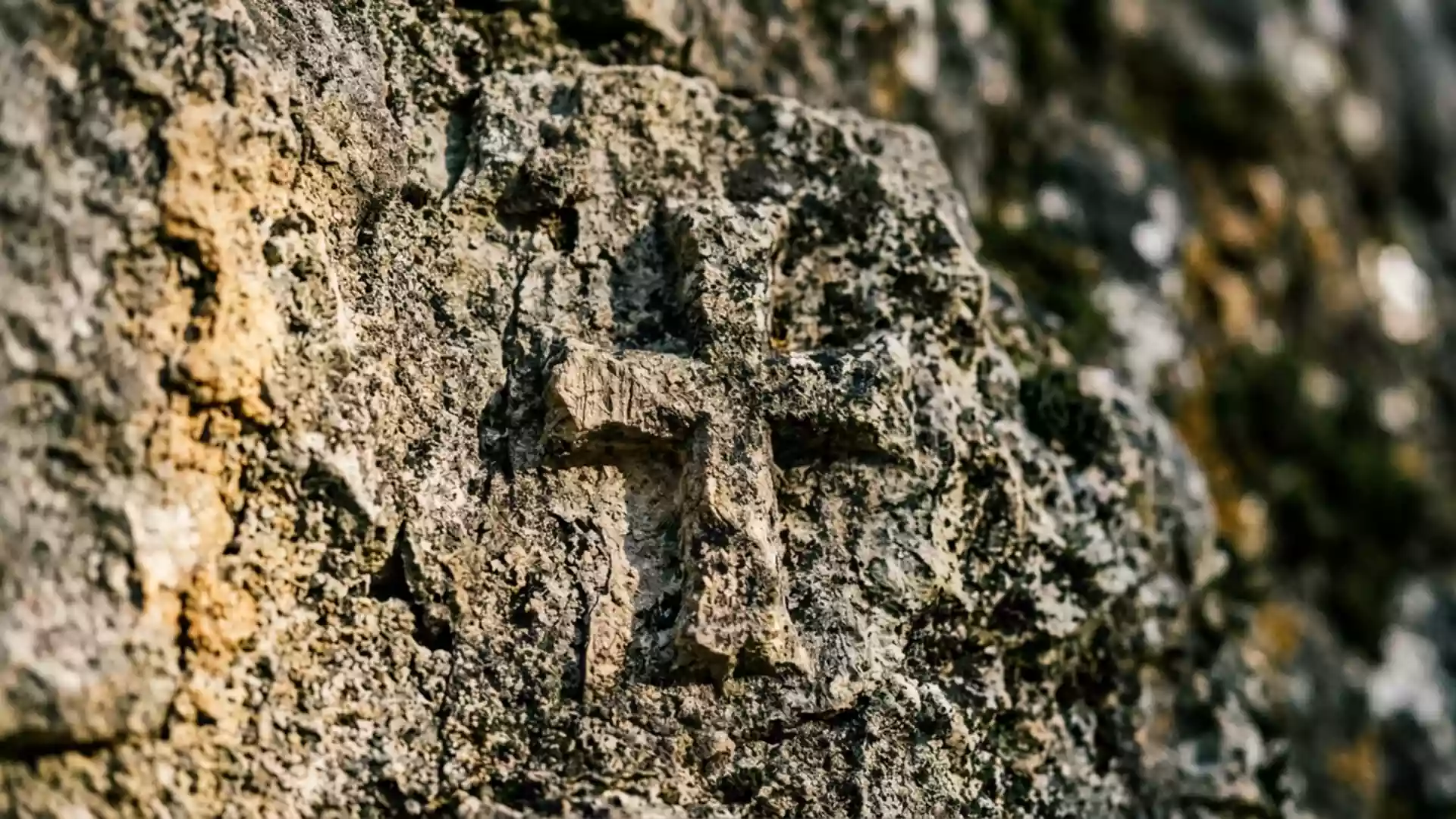
Picos de Europa: limestone peaks above Cangas de Onis
Published on 09/09/2026 at 08:21 | Editorial responsibility: Rafael Müller, Editor-in-Chief AD HOC NEWS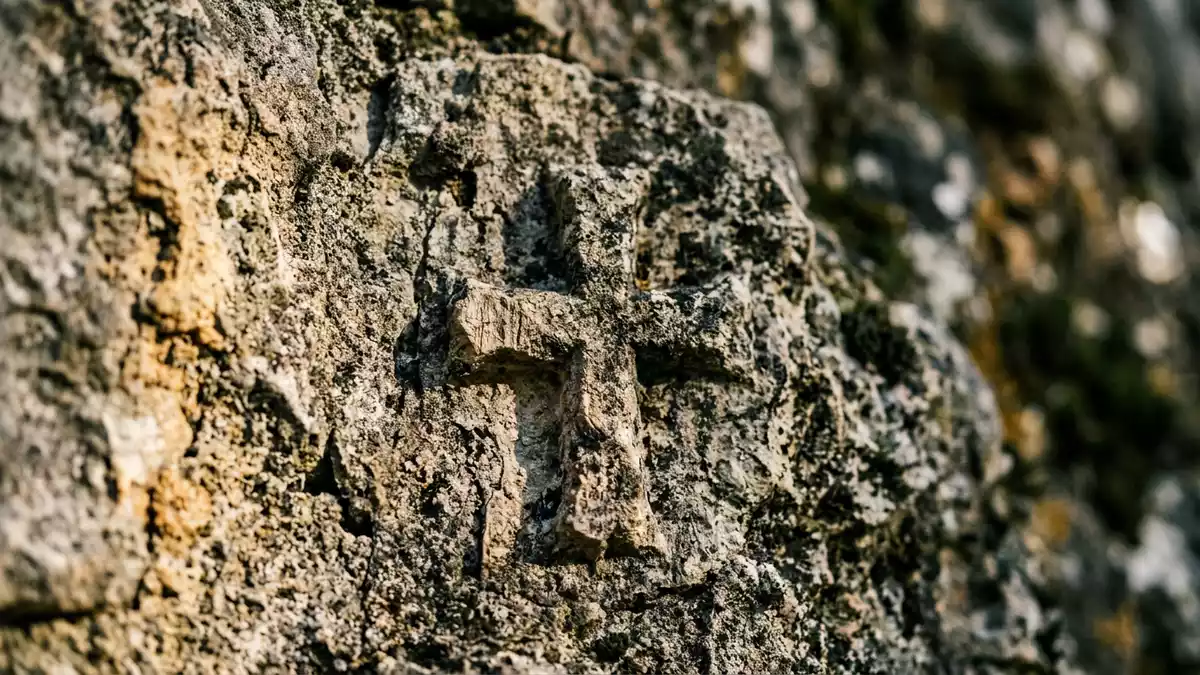
Picos de Europa is a compact limestone mountain range in northern Spain, rising between deep river gorges and green valleys above towns such as Cangas de Onis in Asturias. Its peaks form part of the Cantabrian Mountains and much of the massif is protected as Picos de Europa National Park, designated in 1918 and extended over the twentieth century as Spain’s first national park.
A limestone massif carved by ice and water
The character of Picos de Europa is defined by rock and relief: a block of Carboniferous limestone uplifted from an ancient seabed and then carved by glaciers and rain into sharp ridges, cirques and sinkholes.Carboniferous limestone dominates the high ground, giving the peaks their pale grey colour and broken, jagged surfaces that catch changing light across the day.history of collisions
Geologists trace the origins of this massif to the Paleozoic seas and the tectonic collisions that created the Variscan and Alpine mountain chains, but what visitors see is the finished landscape: steep limestone pavements, large closed depressions and deep valleys cut into the massif. Many of these features are classic karst forms, with porous rock dissolving under rainfall to leave fissures, dolines and extensive cave systems that drop far beneath the surface.
Spain’s first national park in the Cantabrian Mountains
The mountains of Picos de Europa straddle three autonomous communities — Asturias, Cantabria and Castile and León — and most of the range now lies within a national park of more than 64,000 hectares.Picos de Europa National Park The park’s origins go back to 1918, when a smaller protected area around the Montaña de Covadonga was declared; later enlargements brought the wider massif under protection and the park took the name Picos de Europa National Park.park given its current name
Alongside its national park status, Picos de Europa is recognised as a biosphere reserve under UNESCO’s Man and the Biosphere Programme, with a designated area that covers tens of thousands of hectares within the Cantabrian Mountains.biosphere reserve This double protection reflects both the ecological richness of the Atlantic mountain ecosystems and the long-established pastoral culture of high pastures and cheese-making villages that are part of the landscape.
Gorges, peaks and the gateway at Cangas de Onis
Picos de Europa is often described through three main mountain groups separated by deep river gorges: western Cornión, central Urrieles and eastern Ándara.three mountain ranges The ridges rise steeply from surrounding valleys, and some summits reach well above 2,000 m (6,562 ft), with Torre de Cerredo acknowledged as the highest peak of the massif. Between these summits lie glacial cirques, hanging valleys and high meadows that form a varied terrain in a relatively small area.
On the Asturian side, Cangas de Onis serves as an administrative and practical gateway to the park, with offices and information centres for visitors.Administration Office Casa Dago The town sits at lower altitude beside the Sella river, from where roads wind towards trailheads, high lakes and viewpoints. The contrast between this settled valley landscape and the abrupt limestone walls rising above it is a defining experience of approaching Picos de Europa from Cangas de Onis.
Visiting Picos de Europa: what travellers from Western Europe should know
- Picos de Europa lies in northern Spain within the Cantabrian Mountains, with road access from towns such as Cangas de Onis in Asturias and connections onwards to regional cities.
- The terrain inside the massif is steep and rocky, with paths that may climb for extended stretches and sections of limestone underfoot that can feel irregular and broken.
- In winter, snow can settle on the higher ground and linger in shaded hollows, while lower valleys stay greener and more temperate under Atlantic weather systems from the Bay of Biscay.
- The official language is Spanish and the currency is the euro.
Searching for Picos de Europa on social platforms
These links open searches for Picos de Europa on each platform.
Frequently asked questions about Picos de Europa
Where is Picos de Europa in relation to Cangas de Onis?
Picos de Europa rises in northern Spain within the Cantabrian Mountains, with the Asturian gateway town of Cangas de Onis lying at its western foot in the Sella valley.
What kind of landscape should visitors expect?
The range is a limestone massif of steep peaks, deep gorges, glacial cirques and rocky plateaux, with green valleys and rivers surrounding the higher ground.
What makes Picos de Europa distinctive among Spanish mountain areas?
It combines Atlantic mountain ecosystems, Carboniferous limestone geology and early national park status from 1918 in a relatively compact protected massif spread across three autonomous communities.