
Pho co Hoi An and its lantern-lit riverfront streets
Published on 09/03/2026 at 09:05 | Editorial responsibility: Rafael Müller, Editor-in-Chief AD HOC NEWS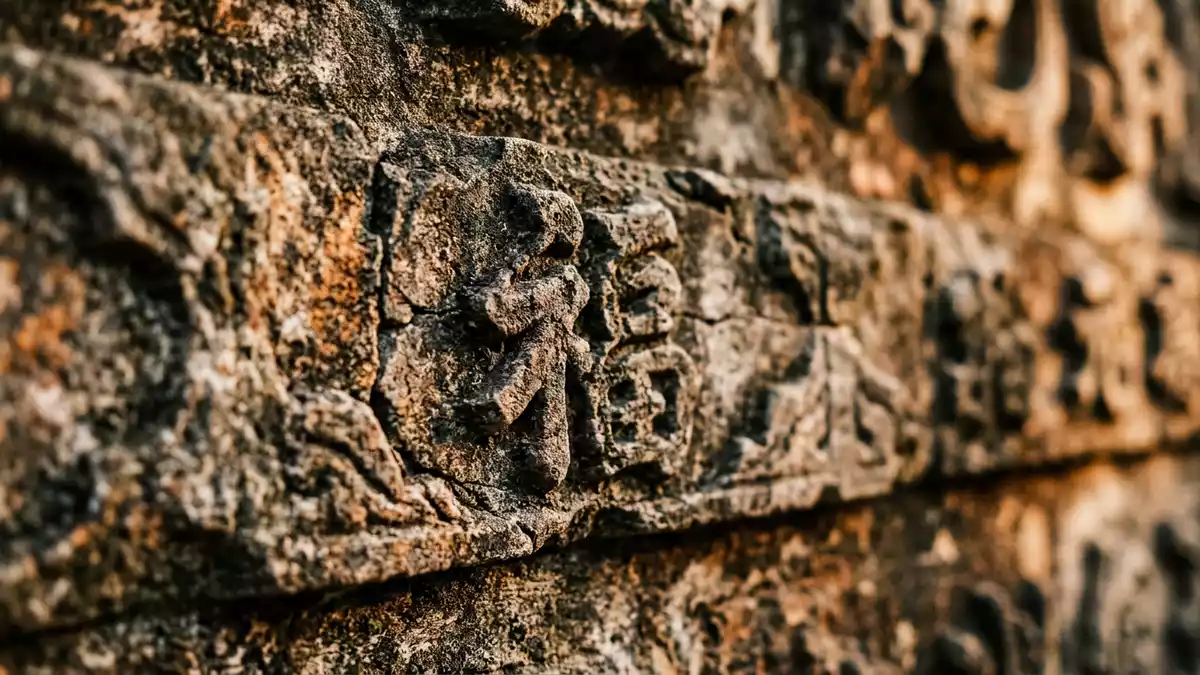
Pho co Hoi An, the Vietnamese name for Hoi An Old Town, is an ancient riverside quarter in Hoi An, Vietnam where historic merchants’ houses, temples and assembly halls line narrow streets beside the Thu Bon River. Recognised as Hoi An Ancient Town and inscribed as a UNESCO World Heritage Site in 1999, it preserves the layout and architecture of a Southeast Asian trading port dating from the fifteenth to nineteenth centuries, with a blend of Vietnamese, Chinese, Japanese and later French influences.Hoi An Ancient Town
Lantern streets and riverside facades in Pho co Hoi An
Walk into Pho co Hoi An in the evening and the first impression is of ochre plastered facades and timber balconies facing the river, illuminated by hanging silk lanterns that mark shopfronts, cafés and family homes. The old town spreads across a compact area of streets and alleys on the north bank of the Thu Bon River, with buildings standing close together and a street plan that reflects centuries of gradual development as a trading port.Hoi An Old Town
The riverfront itself is lined with low-rise houses and warehouses whose fronts open towards the street and whose rears once faced landing stages for boats bringing goods from across the South China Sea. Surface details such as carved wooden shutters, tiled roofs and projecting eaves give the streets a fine-grained character, and many facades carry Chinese characters or family insignia, reflecting the strong presence of Chinese merchant communities in the town’s history.Chinese-influenced architecture
Architecture of an old trading port
Hoi An rose to prominence in the sixteenth century as a major port on the central coast of Vietnam, attracting traders from China, Japan and Europe who left clear marks on the town’s architecture and street layout.a major trading port A common building type in Pho co Hoi An is the narrow-fronted tube house, extending deep into the plot and arranged around internal courtyards that bring light and air into the centre of the dwelling.tube houses in Hoi An
Many of these houses are built of timber frames resting on masonry bases, with upper floors of wood and roofs covered in clay tiles laid in alternating rows. The materials and structural systems reflect Vietnamese vernacular practice, while details such as decorative gables, carved beams and painted interiors show the influence of Chinese and Japanese artisans who worked here when the port was at its height.ancient house architecture Behind the shopfronts, warehouses and storerooms once held ceramics, spices and textiles traded between Vietnam and neighbouring regions.
Assembly halls, temples and the Japanese bridge
Within Pho co Hoi An, religious and civic buildings stand among the houses, including Chinese assembly halls established by merchant groups, pagodas and Confucian temples.assembly halls and pagodas Their architecture often includes richly coloured roofs, guardian statues and altars dedicated to deities or historical figures important to the overseas communities that settled in the town.
Linking two parts of the old town is a covered wooden bridge known in English as the Japanese Bridge and in Vietnamese as Chùa C?u, a symbol of Hoi An built by Japanese traders in the sixteenth or seventeenth century as a connection between neighbourhoods on either side of a small waterway.Chùa C?u Japanese bridge Elsewhere, historic houses such as Tan Ky old house show how commercial and domestic functions were combined within a single structure, with street-facing spaces for trade and more private courtyards and rooms deeper inside.Tan Ky old house
Visiting Pho co Hoi An: what travellers from Western Europe should know
- Pho co Hoi An lies in the city of Hoi An in central Vietnam, on the Thu Bon River south of Da Nang; road connections link the town to Da Nang International Airport.located in Quang Nam Province
- Within the old town, streets are mostly level but paved, and many historic houses, assembly halls and the Japanese Bridge are reached by short flights of steps and relatively narrow doorways.compact historic district
- The official language is Vietnamese and the currency is the Vietnamese ??ng.
- Entry requirements depend on your nationality; UK travellers can check the FCDO travel advice at gov.uk/foreign-travel-advice, Irish travellers the Department of Foreign Affairs at ireland.ie.
Searching for Pho co Hoi An on social platforms
These links open searches for Pho co Hoi An on each platform.
Frequently asked questions about Pho co Hoi An
Where is Pho co Hoi An?
Pho co Hoi An is the historic old town area of Hoi An, a coastal city in Quang Nam Province in central Vietnam on the Thu Bon River.
What should visitors expect in Pho co Hoi An?
Visitors encounter streets of traditional tube houses, Chinese assembly halls, temples and the Japanese Bridge, with many buildings adapted as shops, cafés, museums and cultural sites.
What makes Pho co Hoi An distinctive?
The district combines Vietnamese vernacular architecture with Chinese and Japanese influences within a compact riverside trading town layout, recognised internationally through its UNESCO World Heritage inscription.


