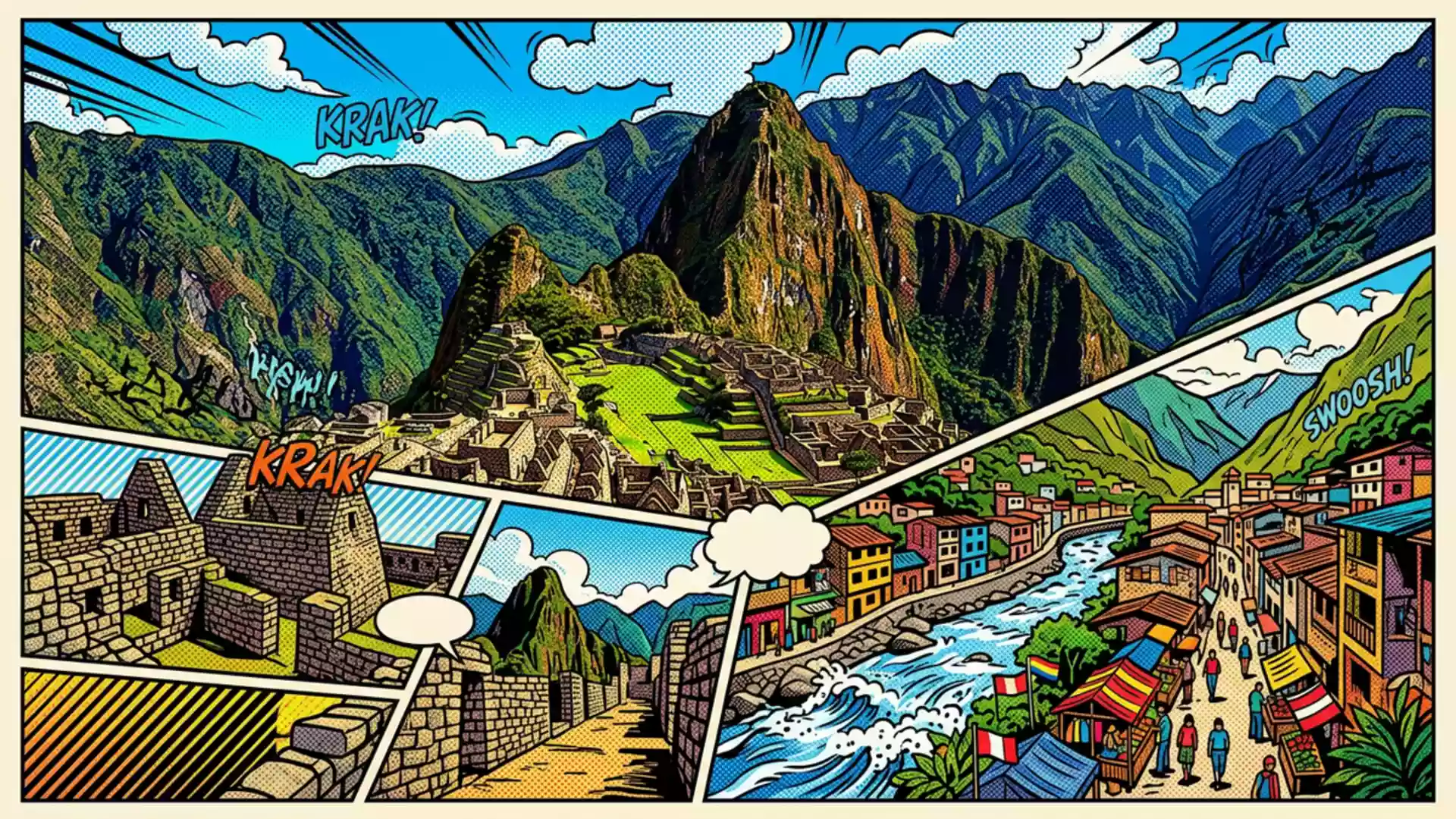
Peru increases Machu Picchu capacity from 16 to 19 November
Published on 11/14/2026 at 17:56 | Editorial responsibility: Rafael Müller, Editor-in-Chief AD HOC NEWSTemporary capacity and visitor access
- Peru’s Ministry of Culture authorised up to 5,600 visitors daily at Machu Picchu from 16 November 2026.
- The exceptional measure adds 1,100 daily spaces and keeps the established circuits, routes and entry arrangements.
- UNESCO inscribed the Historic Sanctuary of Machu Picchu as World Heritage in 1983.
- Aguas Calientes remains the gateway town for reaching the archaeological site.
- The temporary increase ends on 19 November 2026.
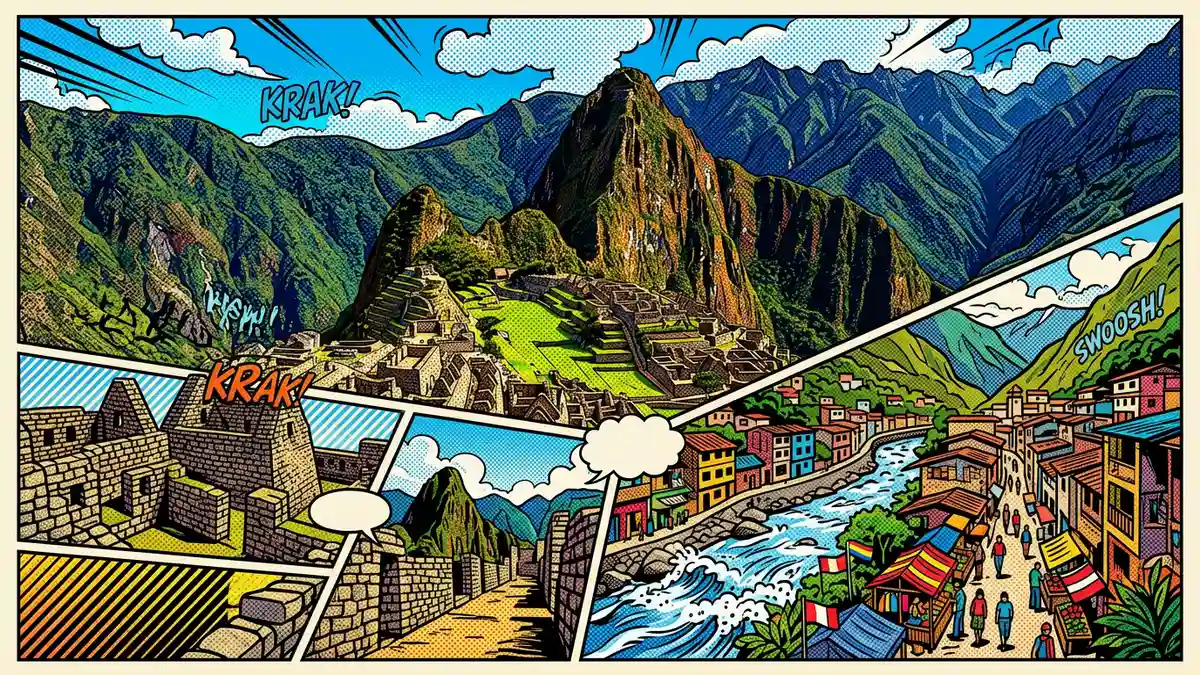
Peru has authorised a temporary capacity increase at Machu Picchu from 16 November 2026, giving travellers in Aguas Calientes and the wider Cusco region a defined change to visit planning. The measure follows the visit of Pope Leo XIV to Peru and applies for four days only.
Peru increases Machu Picchu capacity for four days
The Ministry of Culture approved up to 5,600 visitors per day at the Inka City of Machu Picchu on 16, 17, 18 and 19 November 2026. That is 1,100 additional places above the usual daily limit of 4,500, with the extra spaces released through the official Tu Boleto platform. The Ministry announcement for 16-19 November describes the authorisation as exceptional, temporary and limited to one occasion.
The higher limit is connected to the travel demand surrounding the Pope’s visit to Peru. It does not permanently change the site’s carrying capacity and does not establish a future precedent. The authority will continue to apply its dynamic distribution across circuits, routes and entry arrangements during the four-day period.
What the temporary change means at Machu Picchu
For visitors, the practical change is the number of places available on the four specified dates, not a new route or a different monument. The Ministry says the established circuits, routes and entry arrangements remain in force, while the Cusco cultural authority is responsible for operational and conservation measures.
The archaeological site forms part of the Historic Sanctuary of Machu Picchu, which UNESCO describes as a mixed cultural and natural World Heritage property. Its UNESCO World Heritage profile records the sanctuary at 2,430 m (7,972 ft) above sea level, between the Peruvian Andes and the upper Amazon Basin.
The sanctuary includes the citadel, mountain slopes, peaks and valleys, rather than only the visible stone complex. UNESCO says the approximately 200 structures include religious, ceremonial, astronomical and agricultural areas arranged on a steep ridge with terraces and separate upper and lower sectors. The temporary visitor decision therefore links an immediate travel change to a site whose protection covers both built heritage and a wider mountain environment.
Visiting Machu Picchu: what travellers from Western Europe should know
- The temporary capacity applies at Machu Picchu on 16, 17, 18 and 19 November 2026, with up to 5,600 visitors permitted per day.
- The change concerns capacity only; the established circuits, routes and entry arrangements remain applicable, and the 15 November date is not included.
- Aguas Calientes, also called Machu Picchu Pueblo, is the gateway town below the sanctuary, with access connected to the railway network serving the area.
- The terrain is steep and includes stone terraces, ramps and uneven archaeological surfaces at an altitude of 2,430 m (7,972 ft).
- The official language is Spanish and the national currency is the Peruvian sol.
- Entry requirements depend on your nationality; UK travellers can check the FCDO travel advice at gov.uk/foreign-travel-advice, Irish travellers the Department of Foreign Affairs at ireland.ie.
Searching for Machu Picchu on social platforms
These links open searches for Machu Picchu on each platform.
Frequently asked questions about Machu Picchu
When does the temporary capacity increase take place at Machu Picchu?
The higher limit applies from 16 to 19 November 2026. It allows up to 5,600 visitors per day.
What has changed at Machu Picchu?
The Ministry of Culture has authorised 1,100 additional daily places for four days. The measure is temporary and does not alter the permanent capacity.
Where is Machu Picchu and how do you get there?
The sanctuary is in the Peruvian Andes above Aguas Calientes, the gateway town for the archaeological site. Rail services connect the gateway area with the wider Cusco-region travel network.