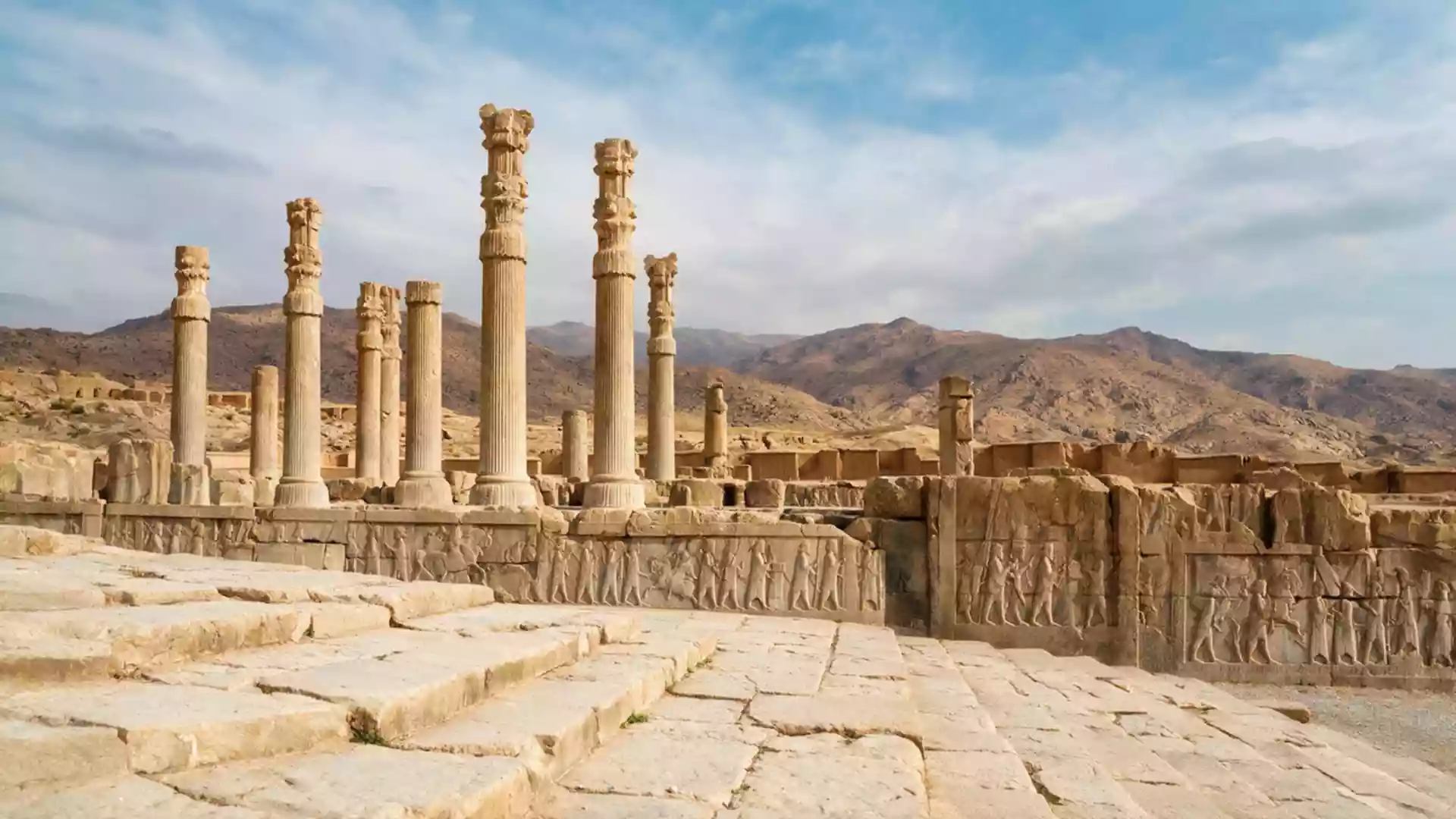
Persepolis launches conservation work on 11 October
Published on 10/24/2026 at 10:08 | Editorial responsibility: Rafael Müller, Editor-in-Chief AD HOC NEWSConservation work and heritage setting
- Iranian restoration teams began work at Persepolis on 11 October 2026 with scientific support from international institutions.
- Laser scanning and 3D imaging are being used alongside treatment of one of the site’s largest inscriptions.
- UNESCO records Persepolis as a 13-hectare World Heritage property founded by Darius I in 518 BCE.
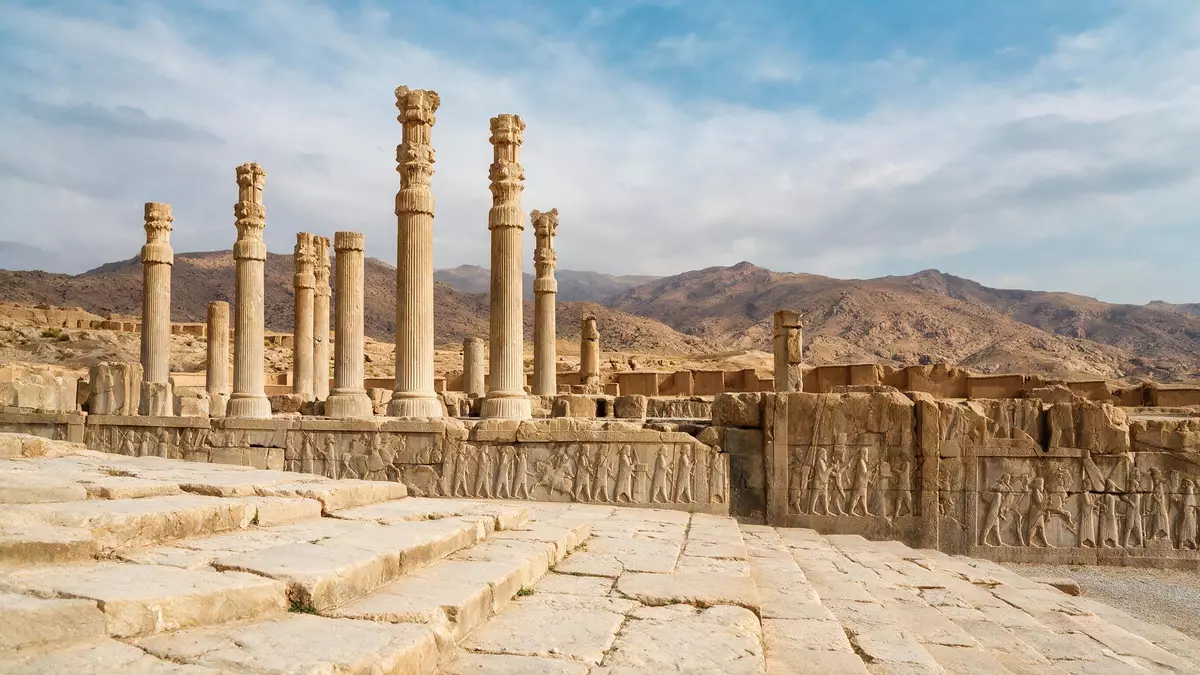
Persepolis (Takht-e Jamshid) began a new conservation programme on 11 October 2026 in Shiraz, Iran. The work combines advanced imaging, stone analysis and restoration of a major inscription at the ancient site.
Persepolis and its inscriptions enter a new conservation phase
Iranian restoration teams launched the programme with scientific support from international institutions. According to the report announcing the work, laser scanning, 3D imaging and detailed analysis of stone surfaces are being used to slow erosion.
The programme also includes treatment of one of the largest inscriptions at the site. Restoration experts are stabilising the rear of the inscription, preparing a protective canopy and treating the stone surface, while decisions are being made about fragments and cracks.
The work is being carried out with lime-based materials designed to match the original stone’s physical properties. The materials are intended to be reversible and to respond similarly to the stone to moisture and temperature changes. The report says treatment can take place only during limited spring and autumn periods when temperatures are between 5°C and 35°C.
A 13-hectare terrace gives the programme its setting
The conservation announcement places the work within a wider effort to protect the ruins from wind, humidity, temperature fluctuations and increasing tourist traffic. That link matters for visitors because the programme concerns both the fabric of the monument and the inscription surfaces that form part of the site’s archaeological record.
UNESCO lists the property as a World Heritage site inscribed in 1979. Its description says Darius I founded the ceremonial capital in 518 BCE on a partly natural and partly artificial terrace, where later Achaemenid rulers added palaces including the Apadana and the Throne Hall.
The World Heritage Centre records the property as covering 12.5 hectares, while the conservation report describes the ensemble as a 13-hectare complex. Its monumental stairways, sculpted friezes, gateways, halls and columns remain central to the character of the place. UNESCO’s Persepolis description identifies the terrace, palaces and related buildings as the protected property.
What the October announcement means for site access
The 11 October announcement describes conservation activity rather than a closure or a changed entrance. It does not state that the main terrace, stairways or palaces are unavailable, so travellers should distinguish the conservation programme from a formal access restriction.
The report also refers to nearby Naqsh-e Rostam, a royal necropolis with Achaemenid tombs cut into a mountainside. That location is part of the wider conservation story, but the principal place covered here is the World Heritage property near Shiraz. the 11 October conservation report names the site, the methods and the restoration work.
Visiting Persepolis: what travellers from Western Europe should know
- The conservation programme was launched at Persepolis on 11 October 2026 and covers imaging, stone analysis and restoration work.
- The announcement does not state a closure or a changed entrance for the main terrace, stairways or palaces.
- The ruins are near Shiraz in Fars province, at the foot of Kuh-e Rahmat, and the terrace is the central feature of the World Heritage property.
- The site includes monumental stairways, large open halls, sculpted friezes and narrow stone columns, so the visit involves archaeological surfaces and uneven historic fabric.
- Iran’s official language is Persian, and its currency is the Iranian rial.
- Entry requirements depend on your nationality; UK travellers can check the FCDO travel advice at gov.uk/foreign-travel-advice, Irish travellers the Department of Foreign Affairs at ireland.ie.
Searching for Persepolis on social platforms
These links open searches for Persepolis on each platform.
Frequently asked questions about Persepolis
When did the conservation programme at Persepolis begin?
The programme was launched on 11 October 2026. It uses imaging, stone analysis and restoration methods.
What is Persepolis?
Persepolis is the former ceremonial capital of the Achaemenid Empire, founded by Darius I in 518 BCE. UNESCO inscribed it as a World Heritage site in 1979.
Where is Persepolis and how do you get there?
The ruins are in Fars province near Shiraz, Iran, at the foot of Kuh-e Rahmat. The conservation report places the terrace about 60 km northeast of Shiraz.