Parque Nacional Tortuguero: canals, rainforest and Caribbean shore
Published on 09/15/2026 at 07:56 | Editorial responsibility: Rafael Müller, Editor-in-Chief AD HOC NEWS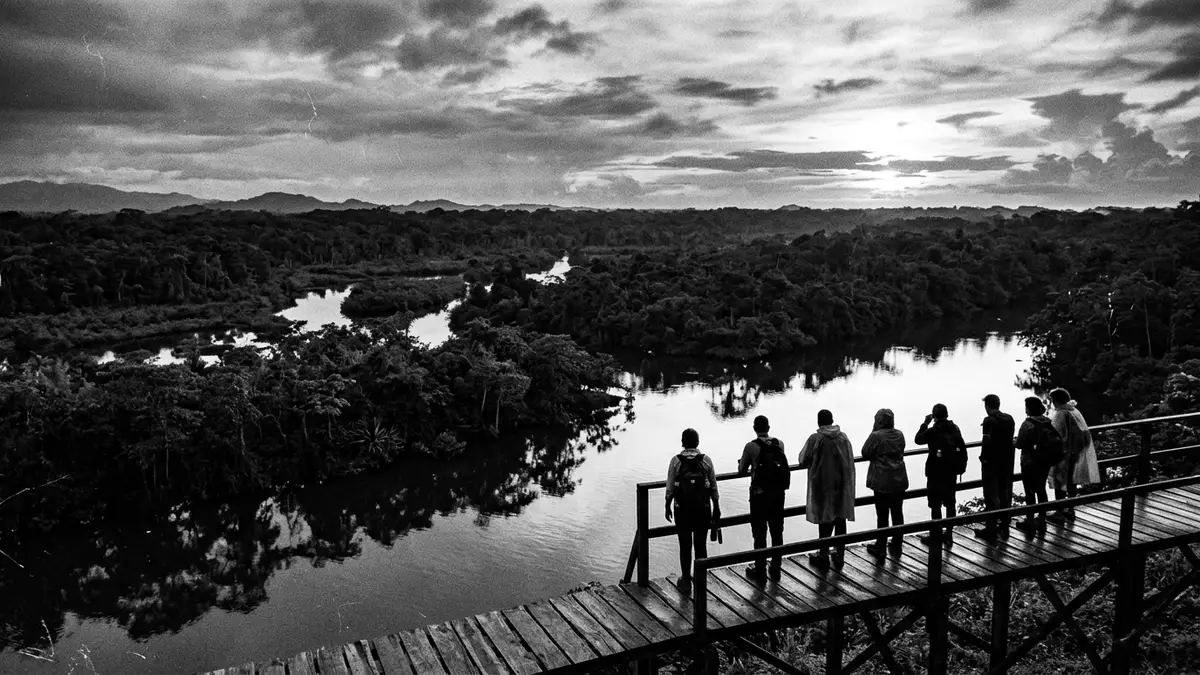
Parque Nacional Tortuguero on Costa Rica’s northeastern Caribbean coast is a protected mosaic of rainforest, canals and Caribbean shoreline surrounding the village of Tortuguero. Established as a national park in 1970, it forms part of the Tortuguero Conservation Area in Limón Province and is internationally recognised for safeguarding an extensive nesting beach for green sea turtles.
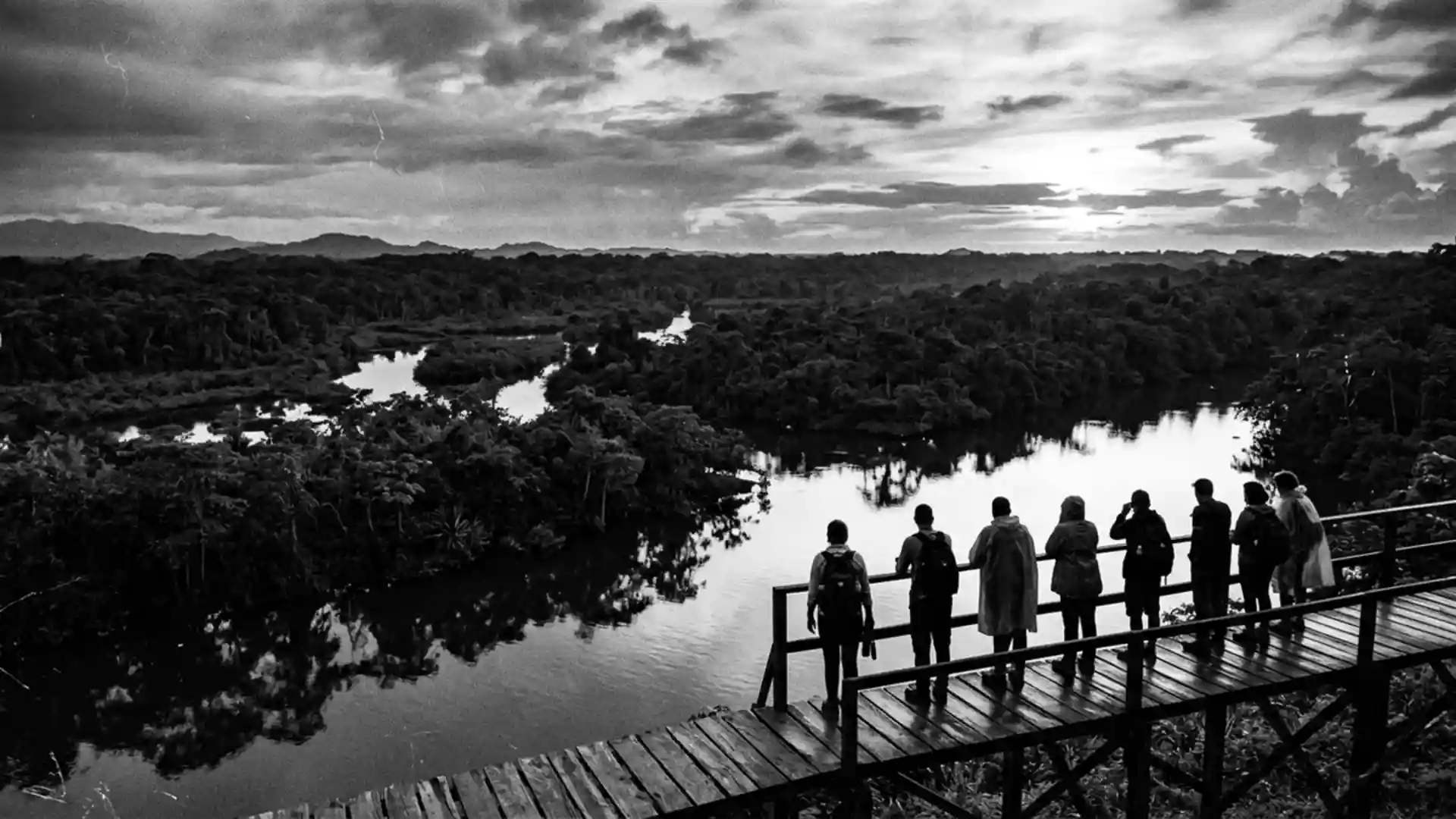
Waterways through lowland Caribbean rainforest
Parque Nacional Tortuguero occupies coastal lowlands in the Limón Province, facing the Caribbean Sea and backed by flat country cut by rivers and lagoons. The protected territory extends over tens of thousands of hectares, combining terrestrial forest with a larger marine area off the shore, as set out in management documents of the Tortuguero Conservation Area.management documents The landscape is notably wet, with annual rainfall reaching several thousand millimetres and supporting tropical wet forest, mangrove stands, palm swamps and wetlands connected to the sea.tropical wet forest
The park is defined by an intricate network of freshwater canals, rivers and lagoons that run parallel to the coast and intersect patches of forest. These waterways are navigable and form the main access routes, since the protected area and the village are not served by public roads and are reachable only by boat or small aircraft from elsewhere in Costa Rica.reachable only by boat Within the park the Barra del Colorado Wildlife Refuge lies to the north, while wetlands and other reserves border it to the south, creating a broader conservation corridor along the Caribbean lowlands.Barra del Colorado Wildlife Refuge
A park shaped by canals, beaches and Cerro Tortuguero
Tortuguero National Park covers multiple ecological habitats, including lowland rainforest, estuaries, freshwater river channels, coastal lagoons and the long Caribbean beach that fronts the park. Detailed descriptions by Costa Rica’s tourism authorities highlight at least eleven distinct habitat types in the protected area, from mangrove forest to Raphia palm swamp and tropical wet forest on slightly higher ground.Costa Rica’s tourism authorities Inland, Cerro Tortuguero rises as a low hill at the end of a peninsula between canals and wetlands, providing one of the few elevated viewpoints over the otherwise flat protected landscape.Cerro Tortuguero
The combination of flooded forest and narrow strips of solid ground gives the park its distinctive spatial character. Tortuguero village stands on a thin band of land between the main canal and the open Caribbean, with the national park wrapping around it to north and south.thin band of land From boats on the canals, the view alternates between enclosed green walls of vegetation and sudden openings towards beaches or broader lagoons where the waterway widens.
Sea turtles and high Caribbean biodiversity
Parque Nacional Tortuguero was created in 1970 with a strong focus on protecting nesting grounds of the green sea turtle, and it has since become a major site for marine conservation in the western Caribbean.created in 1970 Conservation organisations and Costa Rican authorities describe the park as the most important nesting site in the Western Hemisphere for this species, and also record nesting of leatherback, hawksbill and loggerhead turtles along the park’s shoreline.nesting site in the Western Hemisphere
The protected area holds a large variety of wildlife beyond turtles. Surveys summarised by conservation bodies list more than 440 bird species, over 130 mammal species and more than 100 reptile species within the park’s terrestrial and aquatic habitats.bird and mammal species Other sources detail further diversity, mentioning manatees, several monkey species, jaguars, tapirs, crocodiles and caimans among the animals present, as well as hundreds of tree and plant species adapted to the wet, warm climate of Costa Rica’s Caribbean coast.hundreds of tree and plant species
Visiting Parque Nacional Tortuguero: what travellers from Western Europe should know
- Parque Nacional Tortuguero lies in northeastern Costa Rica’s Limón Province, with Tortuguero village set on a narrow strip between the main canal and the Caribbean Sea; access to the park and village is by boat along inland waterways or by small aircraft serving the local airstrip.
- The terrain combines lowland rainforest, wetlands and canals with the Caribbean shoreline, so moving through the park involves boat travel along water routes and walking on relatively short stretches of firm ground, sometimes including boardwalks and simple forest paths.
- The park sits at low elevation close to sea level in a humid tropical climate, and rain is frequent in all months, so clothing and equipment need to cope with wet conditions, warm temperatures and occasional muddy sections on trails.
- Spanish is the official language and the currency is the Costa Rican colón.
- Entry requirements depend on your nationality; UK travellers can check the FCDO travel advice at gov.uk/foreign-travel-advice, Irish travellers the Department of Foreign Affairs at ireland.ie.
Searching for Parque Nacional Tortuguero on social platforms
These links open searches for Parque Nacional Tortuguero on each platform.
Frequently asked questions about Parque Nacional Tortuguero
Where is Parque Nacional Tortuguero located?
Parque Nacional Tortuguero is in northeastern Costa Rica, in Limón Province on the Caribbean coast, within the Tortuguero Conservation Area and around Tortuguero village.
What can visitors expect on a visit to Tortuguero National Park?
Visitors encounter lowland Caribbean rainforest, canals, lagoons and a long beach, with access primarily by boat and short walks on forest paths or boardwalks near the village and park sectors.
What makes Parque Nacional Tortuguero distinctive among Costa Rican parks?
It combines a canal-based landscape with extensive tropical wet forest and a major green sea turtle nesting beach, while being accessible only by water or small aircraft rather than public roads.