
Pao de Acucar rises above Guanabara Bay
Published on 09/14/2026 at 06:23 | Editorial responsibility: Rafael Müller, Editor-in-Chief AD HOC NEWS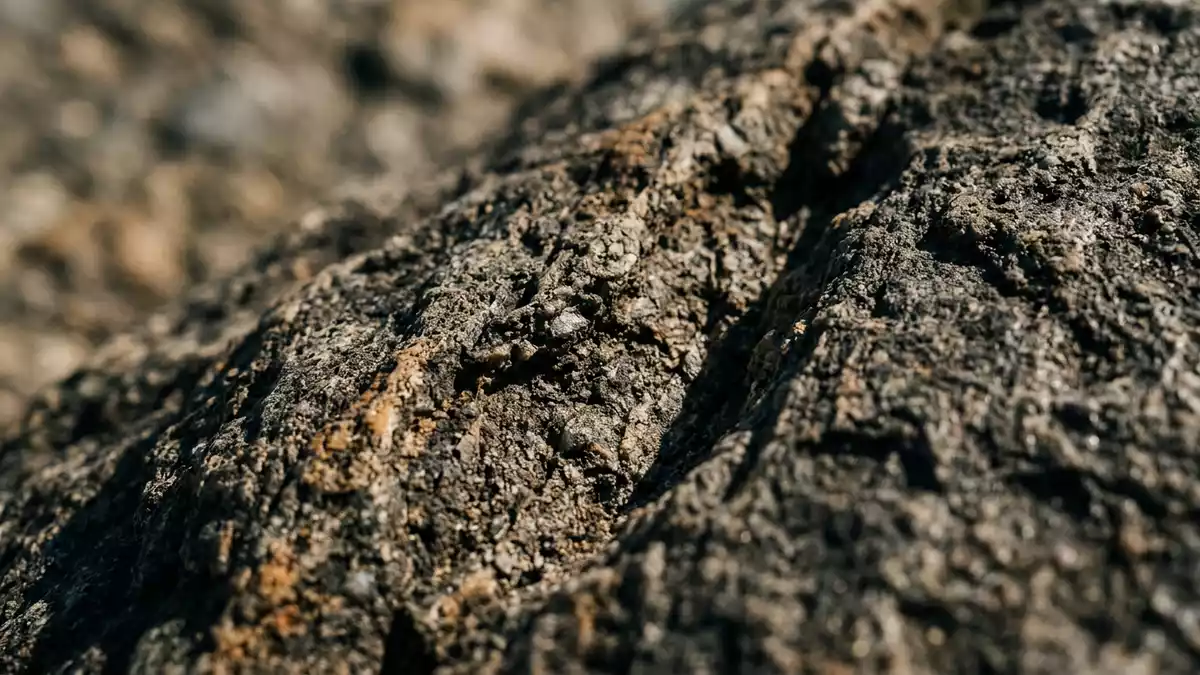
Pao de Acucar rises at the mouth of Guanabara Bay in Rio de Janeiro, where a 396 m (1,299 ft) granite peak meets the harbour edge. Its steep profile and long association with the city make it a defining part of the waterfront.
Pao de Acucar above Guanabara Bay
The mountain stands on a peninsula at the bay entrance and belongs to the chain of rocky outcrops that mark Rio’s shoreline. Its Portuguese name, used in English as Pao de Acucar, refers to the traditional conical form of refined sugar.
The site is also part of the Rio de Janeiro geoheritage site and a World Heritage landscape. Those designations place it within a formally recognised setting of mountains, bay and city.
The cable car and the summit route
The first cable car line opened in 1912, linking Praia Vermelha and Morro da Urca before continuing to Pao de Acucar itself. That date places the system among the early cable car routes in Brazil.
The mountain is linked to the city by a route that moves in two stages, with Morro da Urca as the intermediate hill. The modern cabins are part of the same general system described on the park’s site, and the route remains a central part of the place’s identity.1912 cable car opening
History, name and setting
Pao de Acucar is tied to the early history of Rio de Janeiro as a harbour city. The bay-side rock helped define the entrance to the port area long before the present urban skyline rose around it.
The name has long been linked to sugar production and the moulded blocks used in Atlantic trade. The mountain’s outline, the Portuguese term and Rio’s colonial history meet in a single place, which is why the name has endured for centuries.colonial-period landmark
Pao de Acucar as a rocky monolith
Geologically, the mountain is a near-conical gneiss monolith. It belongs to the broader family of steep-sided rock forms around Rio’s coast, where bare rock rises directly from the bay margin.
The mass of the peak, the harbour setting and the older city quarter below give the place a strong visual presence. Its form is simple to read from water or land: a single rock rising above the edge of the bay, with the cable car crossing the space beside it.granite and gneiss setting
Visiting Pao de Acucar: what travellers from Western Europe should know
- It lies in Rio de Janeiro, at the mouth of Guanabara Bay, and is reached through Praia Vermelha and Morro da Urca by cable car.
- The mountain rises steeply from the harbour edge. The route to the summit is a cable-car ascent rather than a broad walking approach.
- The official language is Portuguese and the currency is the Brazilian real.
- Entry requirements depend on your nationality; UK travellers can check the FCDO travel advice at gov.uk/foreign-travel-advice, Irish travellers the Department of Foreign Affairs at ireland.ie.
Searching for Pao de Acucar on social platforms
These links open searches for Pao de Acucar on each platform.
Frequently asked questions about Pao de Acucar
Where is Pao de Acucar?
It is in Rio de Janeiro, Brazil, at the entrance to Guanabara Bay. The peak sits beside the city’s waterfront and forms part of the harbour landscape.
What does a visit involve?
The place is reached by cable car in two stages, with Morro da Urca between the base and the summit. The experience combines the bay setting with close views of the rock itself.
What makes it distinctive?
Pao de Acucar combines a prominent granite form, a long historical name and an early cable-car system. Few places present that mix of geology, transport history and city identity in one view.


