
Pao de Acucar and the granite peak over Guanabara Bay
Published on 09/03/2026 at 12:30 | Editorial responsibility: Rafael Müller, Editor-in-Chief AD HOC NEWS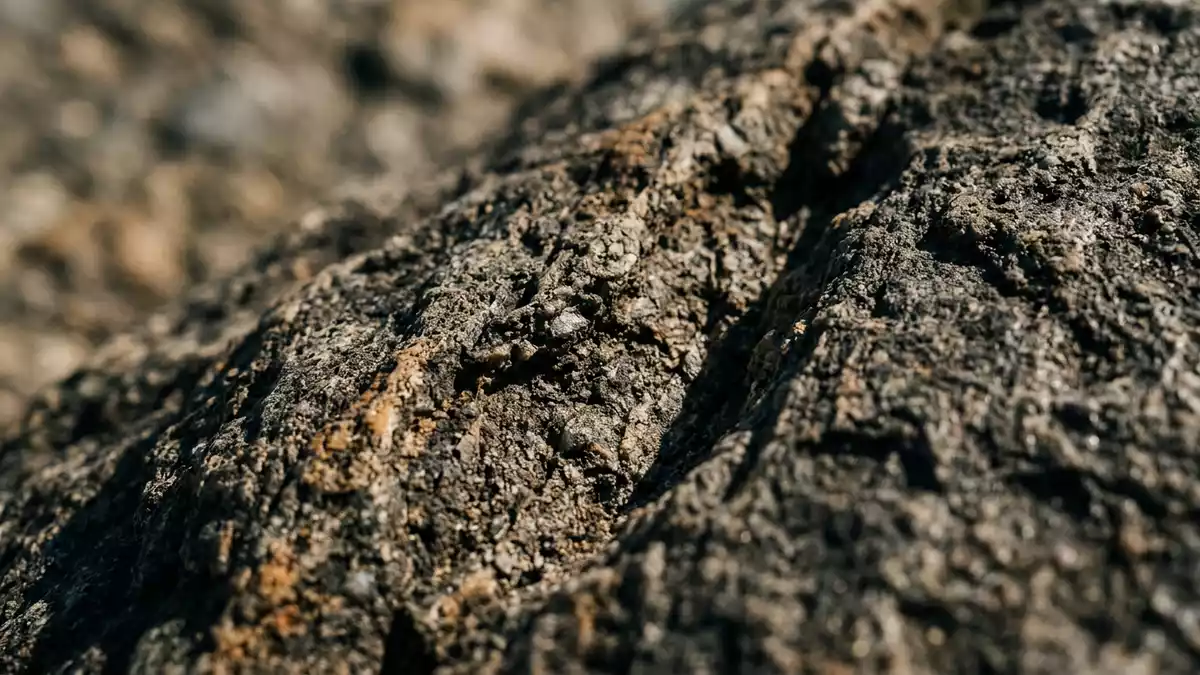
Pao de Acucar, known in English as Sugarloaf Mountain, rises at the mouth of Guanabara Bay in Rio de Janeiro as a granite peak that has become part of the city’s harbour skyline. Its summit reaches 396 m (1,299 ft) above sea level and is linked to the urban waterfront by the Bondinho do Pao de Acucar cable car, giving this single block of rock a close relationship with both the bay and the streets of Urca.
Pao de Acucar as a harbour-side monolith
Pao de Acucar stands on a peninsula that projects into Guanabara Bay, with the granite mass rising steeply from the harbour edge and meeting the Atlantic coast where the bay opens out to the ocean.Rising 396 m above the harbour gives the peak a height that is clearly legible from the shorefront promenades and from boats crossing the water. The mountain’s granite and gneiss surfaces catch the light in different ways over the day, emphasising the near-vertical slopes that fall towards the sea and the more rounded upper portion where paths and viewing platforms have been set out.
The geological history of Pao de Acucar reaches back to the Ediacaran period, when the augen gneiss of the mountain formed from K?feldspar granite within the wider Ribeira orogenic belt.The rock belongs to the Ediacaran period and sits among other granite and gneiss outcrops around Rio’s harbour, but its isolated form and harbour-side location give it a distinctive presence. The peak is part of a UNESCO World Heritage Site that recognises the landscape of Rio de Janeiro, where natural features and urban districts meet in a single coastal setting.
The Bondinho do Pao de Acucar cable car
A key element of Pao de Acucar’s character is the two-stage cable car system that connects the harbour area to the summit, known as the Bondinho do Pao de Acucar.The Sugarloaf Cable Car runs from Praia Vermelha to Morro da Urca and from there to the top of Sugarloaf Mountain, forming a continuous aerial route between sea level and the granite crest. The line first opened in 1912, making it an early cableway in Brazil and giving Pao de Acucar an engineered link that has been part of the site for more than a century.Bondinho do Pao de Acucar cable car system anchors the mountain directly to the neighbourhood of Urca and the urban grid around Avenida Pasteur.
The cable car route is divided between Pao de Acucar itself and the lower Morro da Urca, a separate hill between the harbour edge and the main peak. Glass-walled cabins give wide views of the bay, the city’s Zona Sul and the open Atlantic as they move along the cables, while the intermediate station on Morro da Urca sits on its own terrace with vantage points towards the granite ridge and the city centre.Visitors take the first cable car from Praia Vermelha to Morro da Urca before continuing to the top of Pao de Acucar. The ground station near Praia Vermelha establishes a clear starting point at sea level, with the harbour waters close by and the granite face rising behind.
Views, name and surrounding landscape
From the summit area of Pao de Acucar, walkways and platforms look out over Guanabara Bay, the Atlantic coastline and the dense urban fabric of Rio de Janeiro. The vantage point takes in the harbour mouth, nearby beaches such as Praia Vermelha, and the neighbouring hills that form the city’s granite harbour ridge.Pao de Acucar rises from the harbour edge in Urca, and that position gives the views a direct relationship with shipping lines, coastal roads and the wider bay.
The name “Pao de Acucar” reflects the Portuguese term for the moulded blocks of refined sugar that were produced and exported during the era of the sugar trade.The mountain’s name reflects the Portuguese sugar trade and the resemblance between the granite peak and those traditional loaves. That naming links the rock not only to its shape but also to a wider historical pattern of commerce in Brazil and the Lusophone world. Around the base of the mountain, the district of Urca forms a residential and leisure area, with Praia Vermelha providing a small beach at the foot of the granite slopes and the cable-car base area giving structured access to the ascent.
Visiting Pao de Acucar: what travellers from Western Europe should know
- Pao de Acucar stands in the Urca neighbourhood of Rio de Janeiro, on a peninsula at the mouth of Guanabara Bay, with access from the harbour-side area near Praia Vermelha.
- The site combines paved areas with steep gradients and stairways on the approaches and around the stations, and the summit zone is set on elevated terraces above the granite slopes.
- Pao de Acucar lies within Brazil, where the official language is Portuguese and the currency is the Brazilian real.
- Entry requirements depend on your nationality; UK travellers can check the FCDO travel advice at gov.uk/foreign-travel-advice, Irish travellers the Department of Foreign Affairs at ireland.ie.
Searching for Pao de Acucar on social platforms
These links open searches for Pao de Acucar on each platform.
Frequently asked questions about Pao de Acucar
Where is Pao de Acucar located in Rio de Janeiro?
Pao de Acucar stands on a peninsula at the mouth of Guanabara Bay, in the Urca neighbourhood of Rio de Janeiro, close to Praia Vermelha and the city’s harbour edge.
What can visitors expect during a visit to Pao de Acucar?
Visitors encounter a granite peak reached by a two-stage cable car, terrace areas on Morro da Urca and the summit, and wide views over Guanabara Bay, the Atlantic and the urban districts.
What makes Pao de Acucar distinctive among Rio’s hills and viewpoints?
Its 396 m height, harbour-side location at the bay’s mouth, Ediacaran granite and gneiss geology, and the historic Bondinho do Pao de Acucar cable car give it a combination of natural and engineered features that define its character.


