
Palazzo Ducale in Venedig and the architecture of power
Published on 09/14/2026 at 21:13 | Editorial responsibility: Rafael Müller, Editor-in-Chief AD HOC NEWS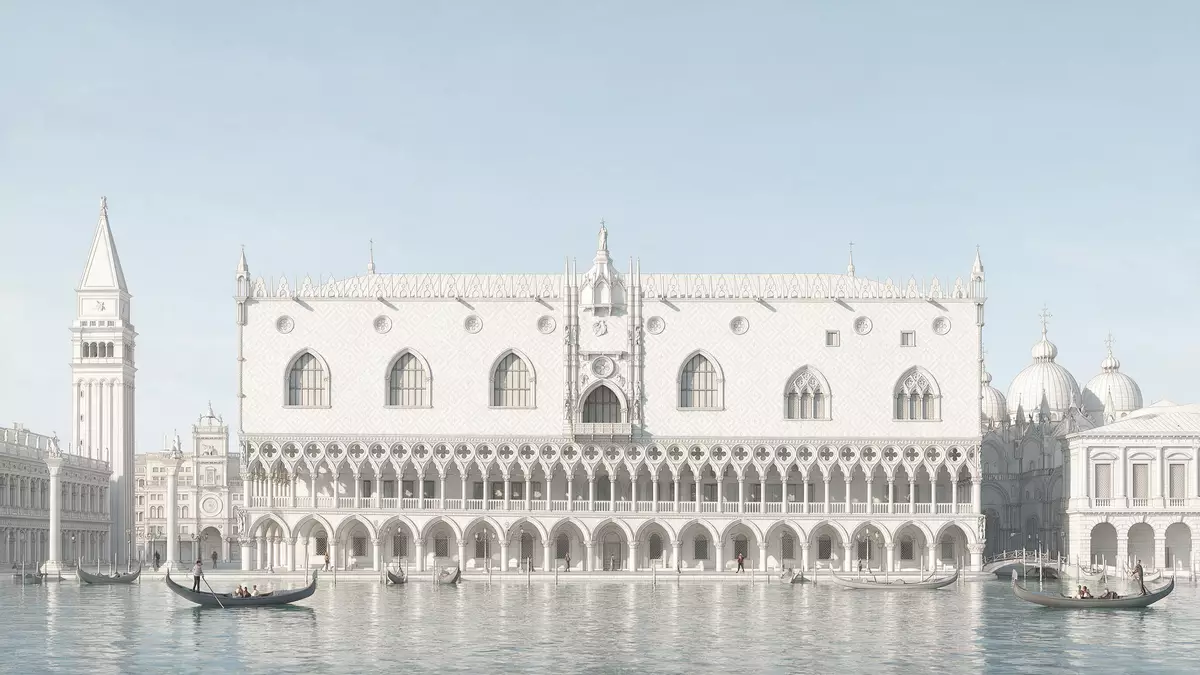
Palazzo Ducale in Venedig is a Gothic palace that combines marble facades, arcades and state rooms with the memory of the Venetian Republic. Its name belongs to a building associated with the doges and the city’s political life from the ninth century onward.
Venetian Gothic at the water’s edge
The palace sits beside Piazza San Marco, between the piazzetta and the waterfront edge of the city. The most familiar faces are the pink-and-white surfaces, pointed arcades and ornamental tracery that mark Venetian Gothic.
The building history stretches through the centuries, with major rebuilding from 1340 and later additions that changed the palace without erasing its civic role. The state rooms, exterior walls and internal courts keep different phases in view at once.building and history
A palace of government and justice
Palazzo Ducale served as the residence of the Doge, the seat of government and a place linked to justice in the Venetian Republic. That combination of functions gives the palace an unusual density of ceremonial rooms, public chambers and more private passages.
The Doge’s Palace is tied to Doge Agnello Participazio and to the early formation of Venice as an autonomous centre. It is also tied to the later centuries when the republic’s institutions filled the building with administrative life.Doge’s Palace Venice’s seat of power
From Gothic shell to layered interior
What gives Palazzo Ducale its force is the contrast between the open exterior and the dense interior organisation. The walls, arches and carved details frame a building that still reads as a civic palace rather than a private residence.
Inside, the sequence of halls, staircases, chambers and corridors reflects the formal life of the republic. The building’s later museum role adds another layer, turning a former seat of rule into a place where visitors encounter the fabric of Venetian government.later museum role
Visiting Palazzo Ducale: what travellers from Western Europe should know
- The palace stands on Piazza San Marco in Venedig, beside the Basilica di San Marco and close to the waterfront. Vaporetto stops on the lagoon network provide the closest public-transport approach.
- The building has arcades, staircases and multiple levels. Its interior sequence spreads through halls, rooms and passageways rather than one simple route.
- The official language is Italian and the currency is the euro.
- The palace belongs to the civic museum network of Venice. That makes its setting part of the wider historic fabric of the city.
Searching for Palazzo Ducale on social platforms
These links open searches for Palazzo Ducale on each platform.
Frequently asked questions about Palazzo Ducale
Where is Palazzo Ducale?
Palazzo Ducale stands in Venedig on Piazza San Marco, beside the Basilica di San Marco. It sits on the edge of the lagoon-facing civic centre.
What does a visit reveal?
The building shows Gothic facades, grand halls and the layered plan of a former government palace. It also preserves the transition from political seat to museum.
What makes it distinctive?
Its combination of open arcades, marble surfaces and state rooms gives it a very strong civic character. The building keeps Venice’s republican past visible in stone and space.


