
Pacific Rim National Park Reserve and the wild west coast
Published on 09/12/2026 at 14:44 | Editorial responsibility: Rafael Müller, Editor-in-Chief AD HOC NEWS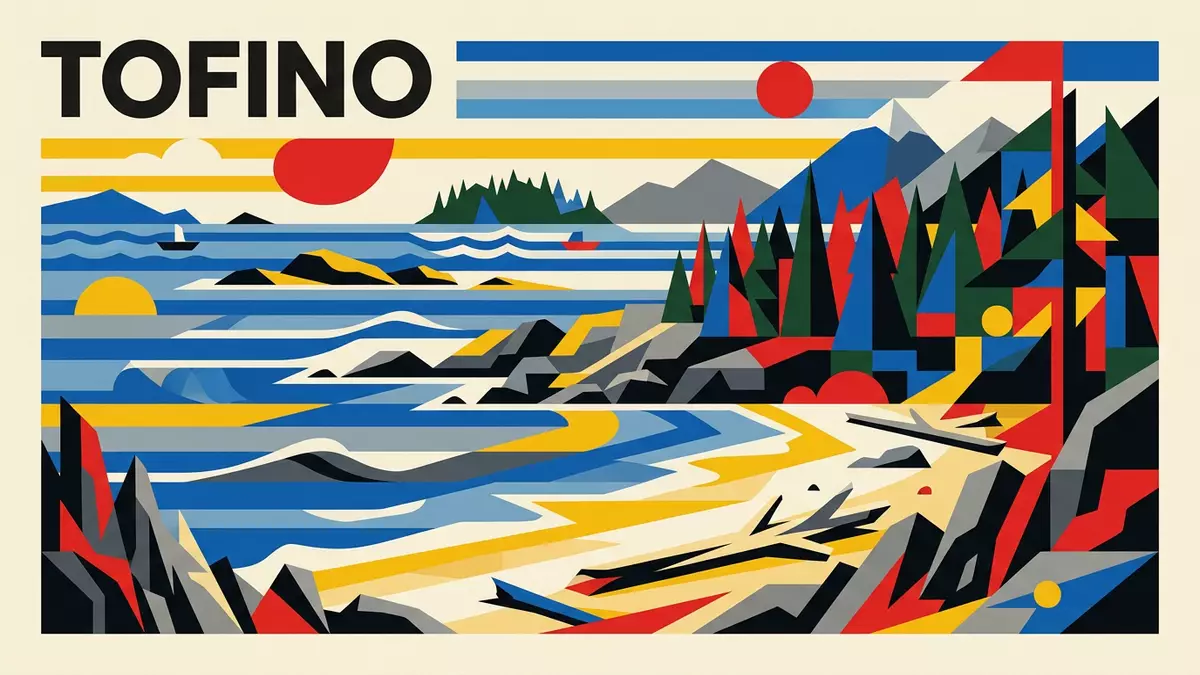
Pacific Rim National Park Reserve on Vancouver Island is a coastal landscape of beaches, islands and forest. Its Long Beach Unit, Broken Group Islands and West Coast Trail give the place its strongest visual contrast, all within British Columbia.
Long Beach, islands and trail country
The reserve is a federally recognised park reserve in British Columbia, established in 1970 and linked with Parks Canada. It is also formally named in the BC Geographical Names database as Pacific Rim National Park Reserve of Canada.
The Long Beach Unit sits between Ucluelet and Tofino, while the Broken Group Islands lie in Barkley Sound and the West Coast Trail runs through the southern section of the reserve. That spread makes the park reserve less like a single enclave and more like a string of coastal places tied together by water, road and trail.
Long Beach is the part most closely associated with wide sand, driftwood and the open Pacific. The Broken Group Islands form an island archipelago, and the West Coast Trail adds a long overland line through forest and coastline.
Pacific light, forest and shore
Pacific Rim National Park Reserve combines beach, temperate rainforest and exposed shoreline in one protected area. The BC Geographical Names record notes sand beaches, an island archipelago, old-growth coastal temperate rainforest and archaeological sites.
That combination matters because each unit presents a different coastal register. The beaches are broad and open, the islands are low and scattered, and the trail section brings forest, rock and water crossings into the same protected landscape.
The West Coast Trail is the most clearly linear element in the reserve. Parks Canada describes it as a 75-kilometre route through old-growth forest, past beaches and over suspension bridges.
Pacific Rim National Park Reserve in West Coast history
The name is tied to a protected coastal area rather than a single building or monument. Its official status as a national park reserve, and not a provincial park or urban waterfront, is part of its identity.
The reserve also reflects the coastal history of Vancouver Island itself, where sea routes, Indigenous territories and logging-era access tracks have all left their marks. The park reserve’s legal and geographical records place it on the west side of Vancouver Island in Clayoquot Land District.
For many travellers, the appeal lies in that mix of coast and continuity. Beach, island and trail appear in one protected sweep, but each unit keeps its own character and geography.
Visiting Pacific Rim National Park Reserve: what travellers from Western Europe should know
- The reserve lies on the west coast of Vancouver Island, with the Long Beach Unit between Tofino and Ucluelet. Highway 4 reaches the area from Port Alberni.
- The West Coast Trail runs as a demanding multi-day route through forest, shore and suspension bridges. The Broken Group Islands are reached by boat.
- The coast is exposed to Pacific weather, and the terrain changes from sandy beach to forested trail to water-crossed islands. That variation is part of the place itself.
- The official language is English and the currency is the Canadian dollar.
Searching for Pacific Rim National Park Reserve on social platforms
These links open searches for Pacific Rim National Park Reserve on each platform.
Frequently asked questions about Pacific Rim National Park Reserve
Where is Pacific Rim National Park Reserve?
It lies on the west coast of Vancouver Island in British Columbia, with Tofino and Ucluelet at the northern part of the Long Beach Unit.
What does a visit involve?
The place combines beach walking, forest scenery and access to the West Coast Trail and Broken Group Islands. Each unit presents a different form of the same coastal reserve.
What makes it distinctive?
The reserve brings together three physically different parts: Long Beach, the Broken Group Islands and the West Coast Trail. That mix of sand, water and forest defines its character.


