
Olympic National Park and its sweep of coast, forest and peaks
Published on 09/04/2026 at 20:29 | Editorial responsibility: Rafael Müller, Editor-in-Chief AD HOC NEWS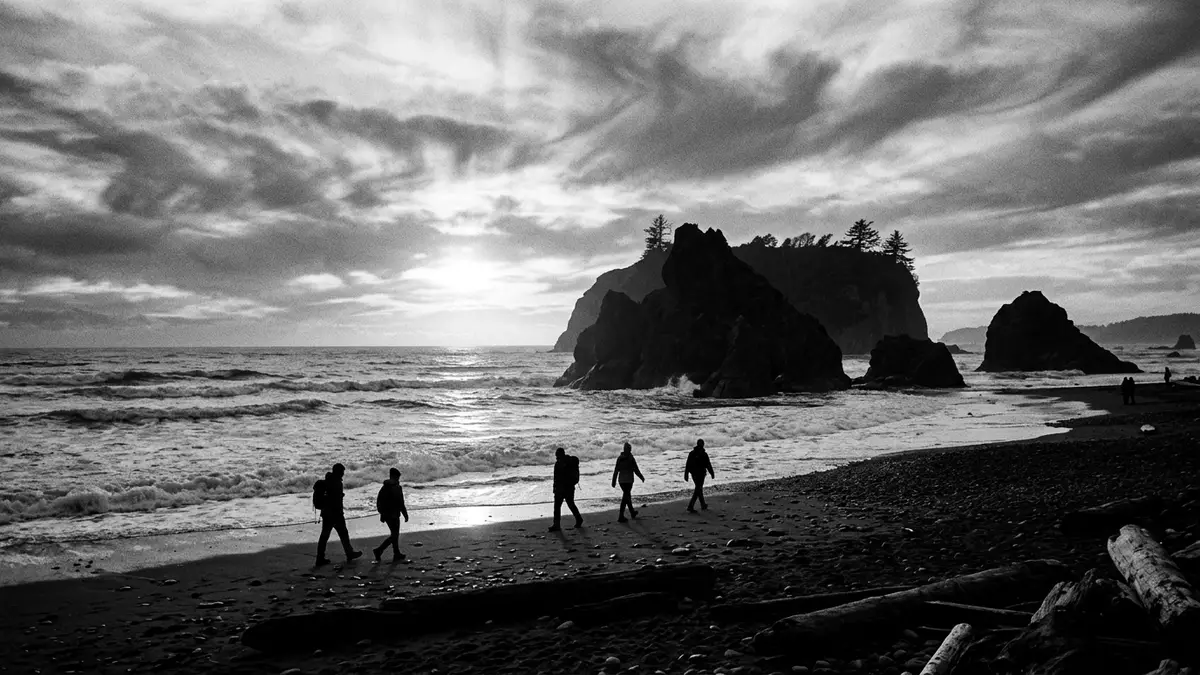
Olympic National Park lies on the Olympic Peninsula in Washington State, with Port Angeles as a practical gateway on its northern edge. Its defining feature is the range of landscapes gathered in one park: coast, old-growth forest, alpine meadows and glacier-capped peaks.
Coast, rainforest and mountains in one park
The park’s broad ecological range makes it easy to read as a landscape in layers. The coast brings marine exposure, the interior holds temperate rainforest, and higher ground rises into the mountains that give the park its name. ecosystem diversity is the phrase that fits best, because the shift from shore to summit is visible rather than theoretical.
The UNESCO World Heritage entry notes glacier-clad peaks, extensive alpine meadows and an extensive old-growth forest, including a protected temperate rainforest in the Pacific Northwest. It also identifies a long stretch of wilderness coastline and major river systems that drain the mountains. Olympic Peninsula is the geographical frame that ties these parts together.
A park shaped by conservation history
The name Olympic National Park belongs to a conservation story that began before park status itself. The land first gained federal protection as Olympic Forest Reserve in 1897, became Mount Olympus National Monument in 1909 and was redesignated as a national park in 1938. June 29, 1938 is the date of the act that established the park.
The park also carries international recognition. UNESCO designated it a Biosphere Reserve in 1976 and a World Heritage Site in 1981, and the World Heritage listing highlights the park’s ecological variety and coastline. The combination of formal designations and varied terrain gives the place its lasting identity. Biosphere Reserve appears alongside the World Heritage status in that record.
Human presence and living cultural landscape
Human history on the Olympic Peninsula reaches back more than 13,500 years, and the park remains linked to the Makah, Quileute, Hoh, Quinault, Skokomish, Port Gamble S'Klallam, Jamestown S'Klallam and Lower Elwha Klallam tribes. That long presence matters because the park is not only scenery; it is also a landscape of use, memory and continuity.
The National Park Service history page describes the area as home, hunting ground and transport route for many communities, and it records the park’s later federal designations. It also notes more than 650 archaeological sites within the park lands. tribal connections and archaeological traces give the park a human depth that matches its natural variety.
Visiting Olympic National Park: what travellers from Western Europe should know
- Port Angeles sits beside the park on the north side of the Olympic Peninsula, and the town is the most convenient named reference point for approaches from the east and south-west.
- The park includes coast, forest and mountain terrain, so surfaces and elevation change from one area to another. Inland routes can involve forest roads and mountain trails.
- The official language is English and the currency is the United States dollar.
- Entry requirements depend on your nationality; UK travellers can check the FCDO travel advice at gov.uk/foreign-travel-advice, Irish travellers the Department of Foreign Affairs at ireland.ie.
Searching for Olympic National Park on social platforms
These links open searches for Olympic National Park on each platform.
Frequently asked questions about Olympic National Park
Where is Olympic National Park?
It is in north-western Washington State on the Olympic Peninsula, with Port Angeles beside the park’s northern side. The landscape reaches from coastline to forest and high mountains.
What should a visit be expected to involve?
The park combines different terrain types, so any route can shift from shore to forest to higher ground. Visitors encounter roads, trails and large stretches of undeveloped landscape.
What makes Olympic National Park distinctive?
Its mix of temperate rainforest, coastline, alpine meadows and glacier-capped peaks is the park’s central character. The park also carries both national protection and UNESCO recognition.


